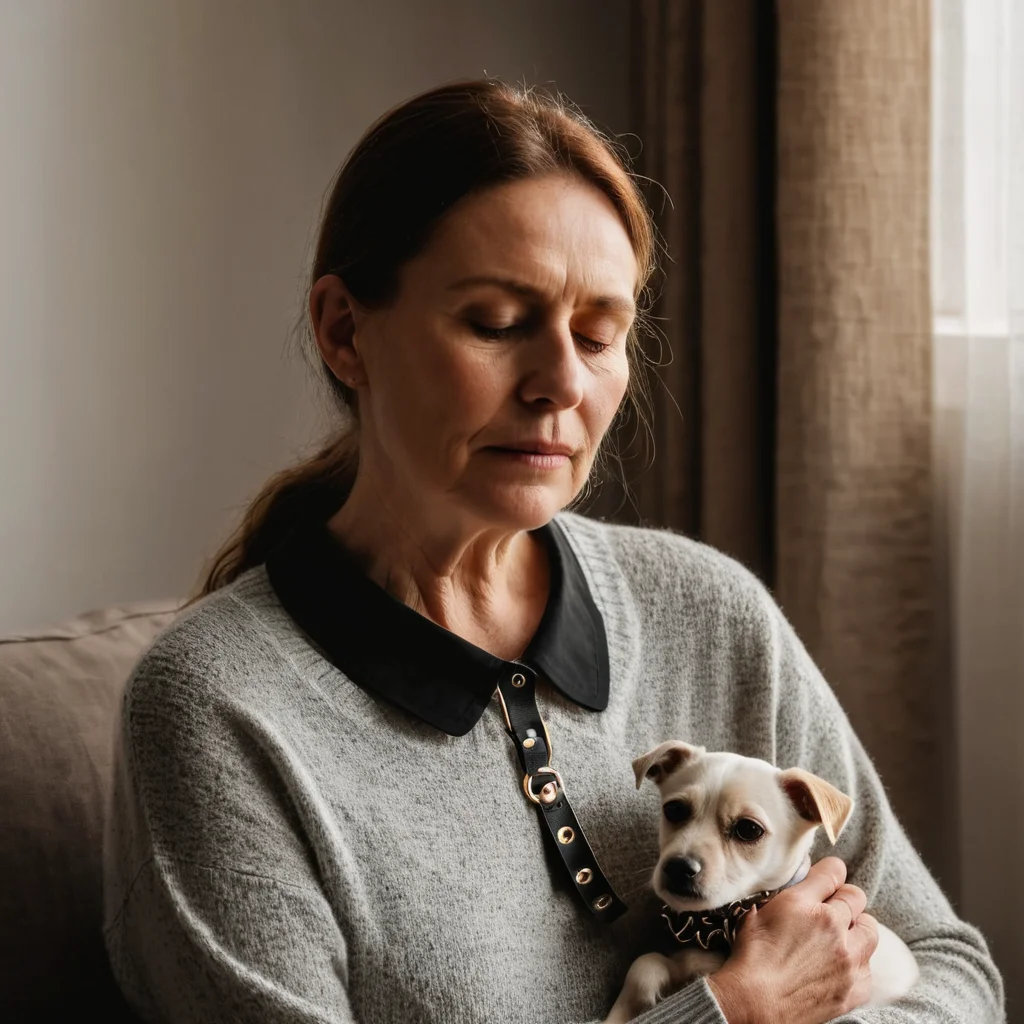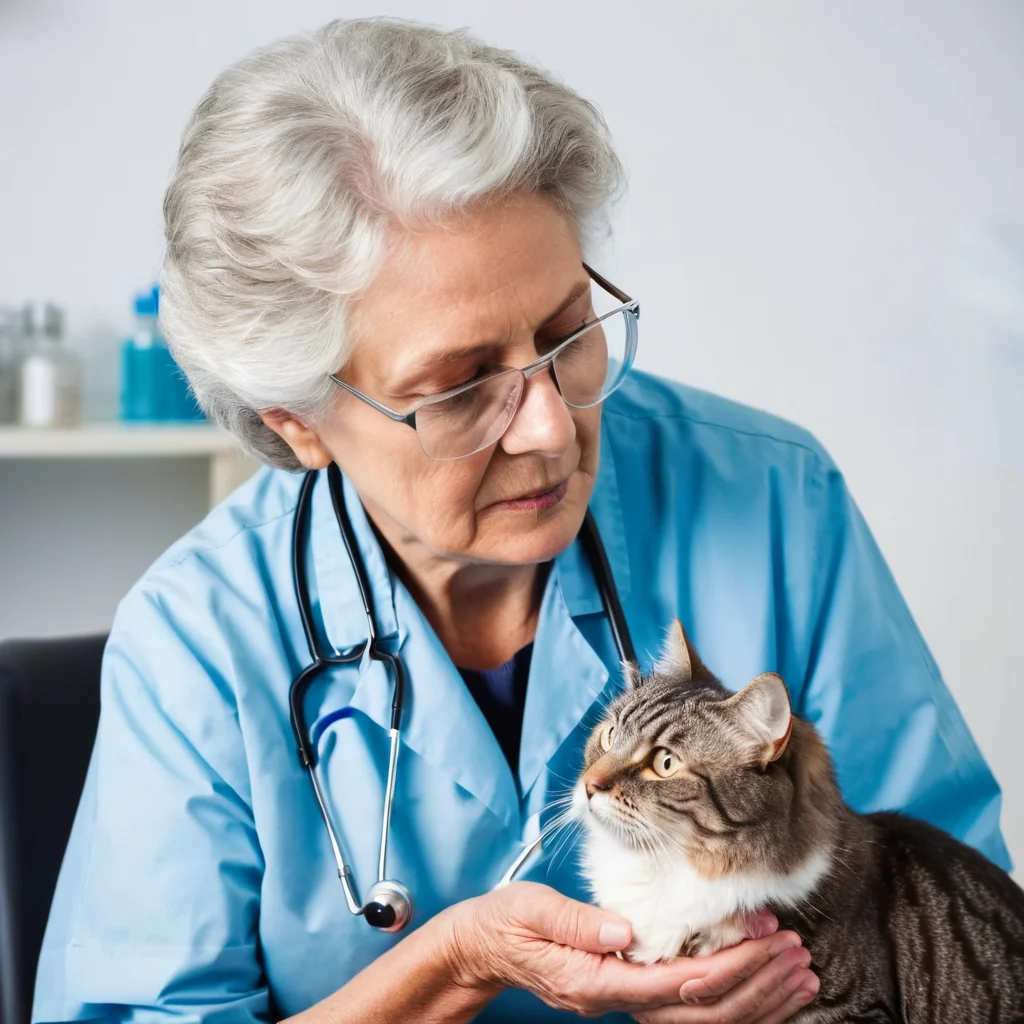

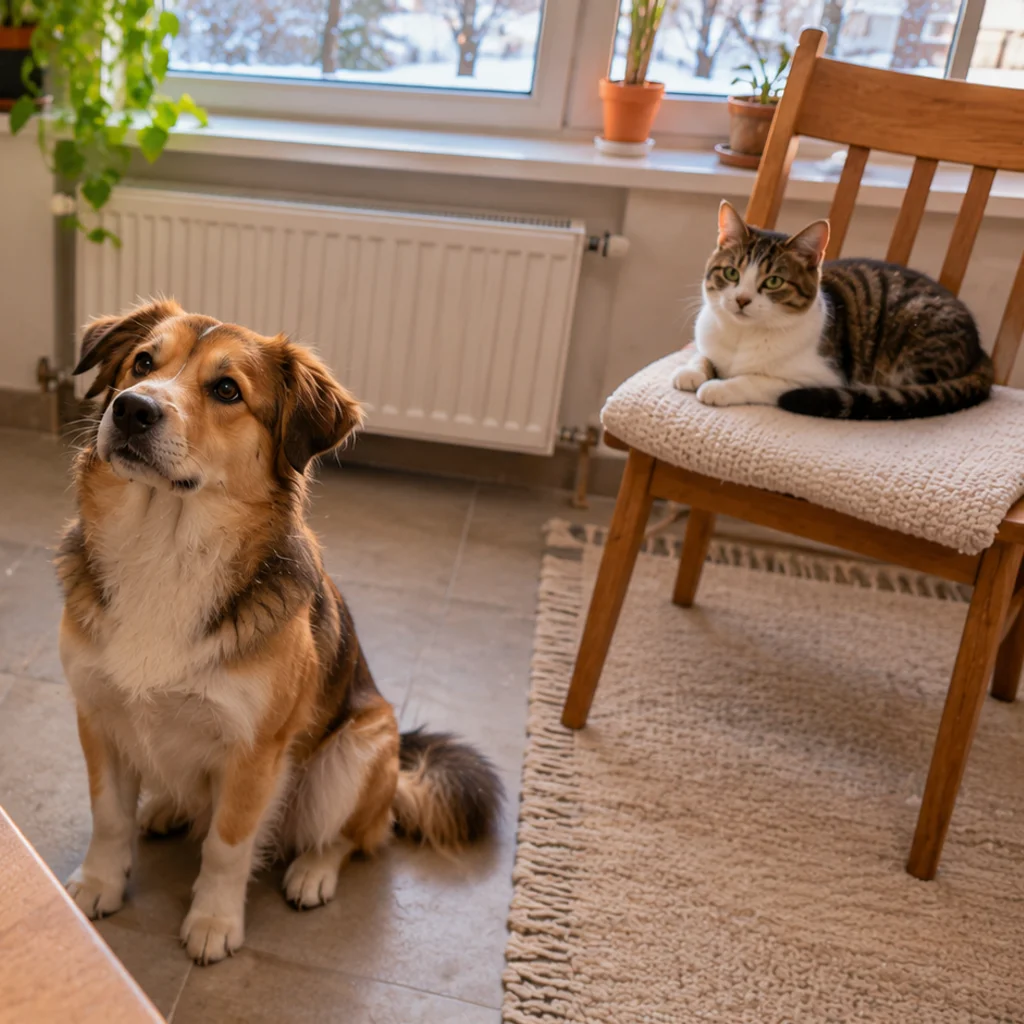

In the morning, someone gives the dog a piece of cheese; at noon, someone else hands over a treat biscuit, saying "one won't hurt"; and in the evening, a small bite falls from the dinner table. Meanwhile, the cat gets a few servings of treats throughout the day "so it doesn't get bored." Each one looks small and harmless. But added up at the end of the day, these snacks can equal a large part of the main meal.
The winter months make this even more noticeable. Walks get shorter, play time drops, the house gets busier, and food looks like the shortcut to showing affection. In this article, we explain how to account for treats and how to put a weight plan into practice in the new year together with everyone at home.
Why do treats add up without anyone noticing?
Even many people who measure their pet's food don't measure the treats. There are a few reasons for this.
- More than one person is giving them: Everyone at home thinks they give only a little, and no one sees the total.
- Treats are tied to love: Giving food feels like a quick and fun way to show your pet attention.
- Small pieces are misleading: A small bite for a person can be a fairly large energy source for a small cat or dog.
- Pets are persuasive: It is not easy to say no to a furry friend waiting at the kitchen door and staring at you.
First, see where things stand
Before making a decision, you need to know where you are starting from. To do that, keep a small log for a few days.
- Write it down for a week: Ask everyone at home to note every treat they give and every bite from the table. A sheet of paper on the fridge is enough for this.
- Weigh your pet: Record its current weight. This will let you see progress later on.
- Check body condition: Can you feel the ribs with a light touch, and is there a narrowing at the waist when you look from above? The body condition tool gives you a starting idea.
When you look at the one-week list, you will see that most families are surprised. This is not about blame; it is just about making the invisible visible.
Set a treat allowance
Many veterinarians recommend that treats stay limited to a small share of the daily energy needs. You can talk with your veterinarian about how big this share should be for your pet's needs. In practice, a few methods will make this easier:
A daily treat box
Every morning, set aside that day's treats in a small container. Anyone who wants to give a treat during the day gives it from this container. When the container is empty, the treats for that day are done too. This method removes the need to keep track of who gives what at home.
Turn part of the food into treats
Setting aside a handful from the daily food portion and using it as treats is a practical way to keep rewarding without adding extra energy. This works especially well during training sessions.
Make the pieces smaller
For pets, the moment of getting a treat matters more than its size. Breaking a treat biscuit into a few pieces lets you give the same number of treats with a smaller amount.
Treat routines are a little different for cats
Cats usually don't seem as food-focused as dogs, but that doesn't mean treats don't affect them. Many cats learn to ask for small portions by meowing in the kitchen throughout the day. Answering every meow with a handful of treats reinforces this behavior and quietly increases daily energy intake.
A method that works for cats is to split the daily food into several small meals and give part of it with a food puzzle or a slow feeder bowl. That way, your cat uses its hunting instinct and the meal lasts longer. Giving a small portion at the end of evening play time also completes the hunt, catch and eat cycle.
Neutered cats and cats that never go outside may burn less energy. If your cat is in this group, getting your veterinarian's advice on portions and treat allowance is especially important.
To stop giving bites from the table
Table food can carry risks not only for weight but also for what is in it. Onion, garlic, grapes, chocolate and some sweeteners are harmful to cats and dogs. Fatty and spicy dishes can also cause digestive problems. You can check which foods are risky in the toxic foods list.
- At mealtimes, leave your pet in a different room or in its own bed with a toy to keep it busy.
- Don't reward waiting around the table; the more you respond to those looks, the stronger the behavior gets.
- Gently remind guests not to give your pet food.
Ways to show attention instead of food
Cutting back on treats doesn't mean cutting back on love. Pets take in attention in many different ways and often enjoy it as much as food.
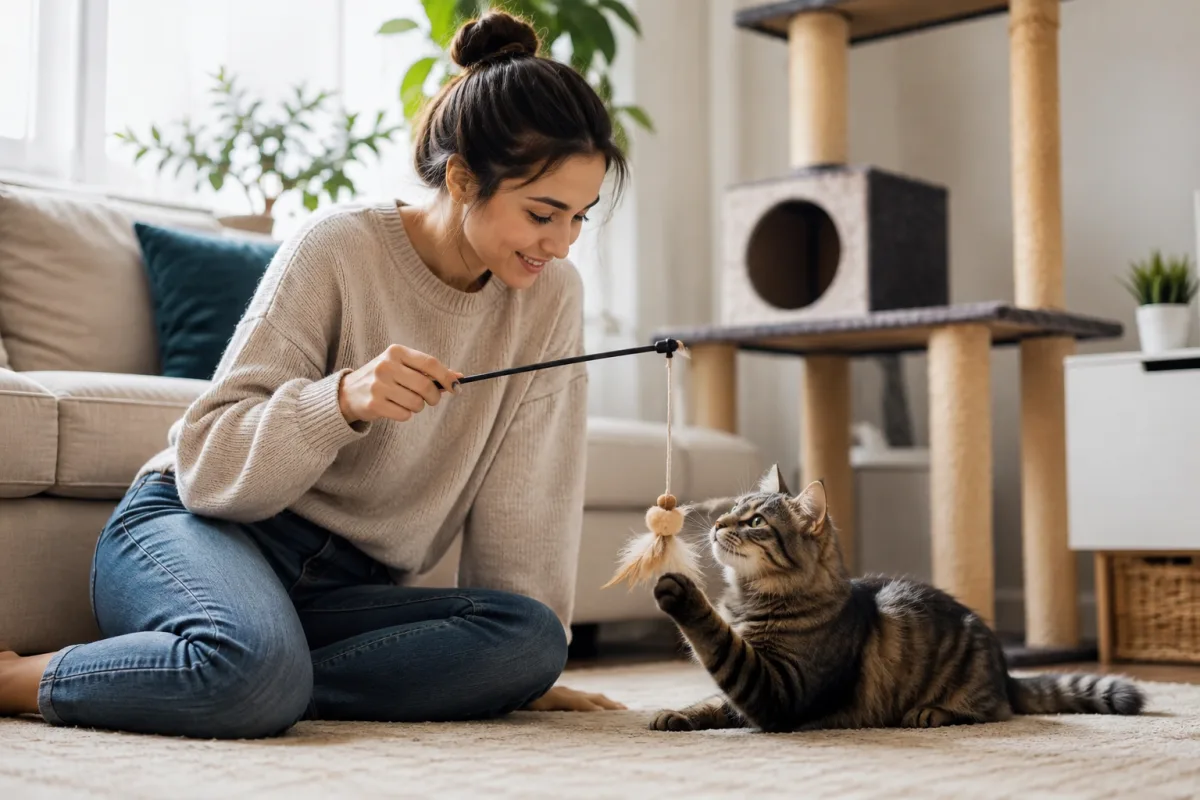
- Play: A short hunting game with a wand toy for cats, a ball or tug game for dogs.
- Sniffing: For dogs, a game of finding a few pieces of kibble hidden around the house gives both mental work and a reward.
- Physical contact: Petting them where they like it, brushing them or sitting quietly beside them.
- Verbal praise: Dogs in particular enjoy being praised in a calm, warm voice.
Carry the weight plan into the new year
The new year is a good time to make a weight plan as a household. But this plan should not be a sudden, harsh diet; it should be a slow and sustainable change. Fast weight loss can lead to serious health problems, especially in cats. So if your pet needs to lose weight, always set the goal and the pace together with your veterinarian.
Share the plan with everyone at home
A weight plan doesn't work through the effort of just one person at home. Everyone needs to know and follow the same rules. Keep the rules short and clear: treats only from the daily container, no bites from the table, measured food. Posting these rules on the fridge keeps them from being forgotten.
Track progress
A weigh-in and a note once a month is enough to see progress. Recording weight changes keeps motivation up and gives your veterinarian regular information. In the weight history section of the DoldurKabı app, you can log measurements to your furry friend's profile and follow the change over time. For portion adjustments, you can also check out the article on food portions and weight tracking.
Frequently Asked Questions
My pet acts like it's sulking when I don't give treats. What should I do?
It is normal for demanding behavior to increase in the first few days. If you stay consistent and offer play or attention instead of treats, this behavior fades over time. Giving treats from the daily container instead of stopping completely makes the transition easier.
Can vegetables or fruit be given as treats?
Some vegetables can be a low-energy treat option for dogs, but not every vegetable and fruit is suitable. Check ahead of time which foods are safe, and talk to your veterinarian before giving anything you are not sure about.
How can I tell if my cat is overweight?
If you can't feel the ribs with a light touch, the waist curve has disappeared when you look from above, or there is a noticeable sag under the belly, your cat may have gained weight. For a definite assessment, talk to your veterinarian.
How long does weight loss take?
It depends on the pet's starting weight, age and health. Healthy weight loss moves slowly. Setting the goal and timeline together with your veterinarian is a safe way to go.