


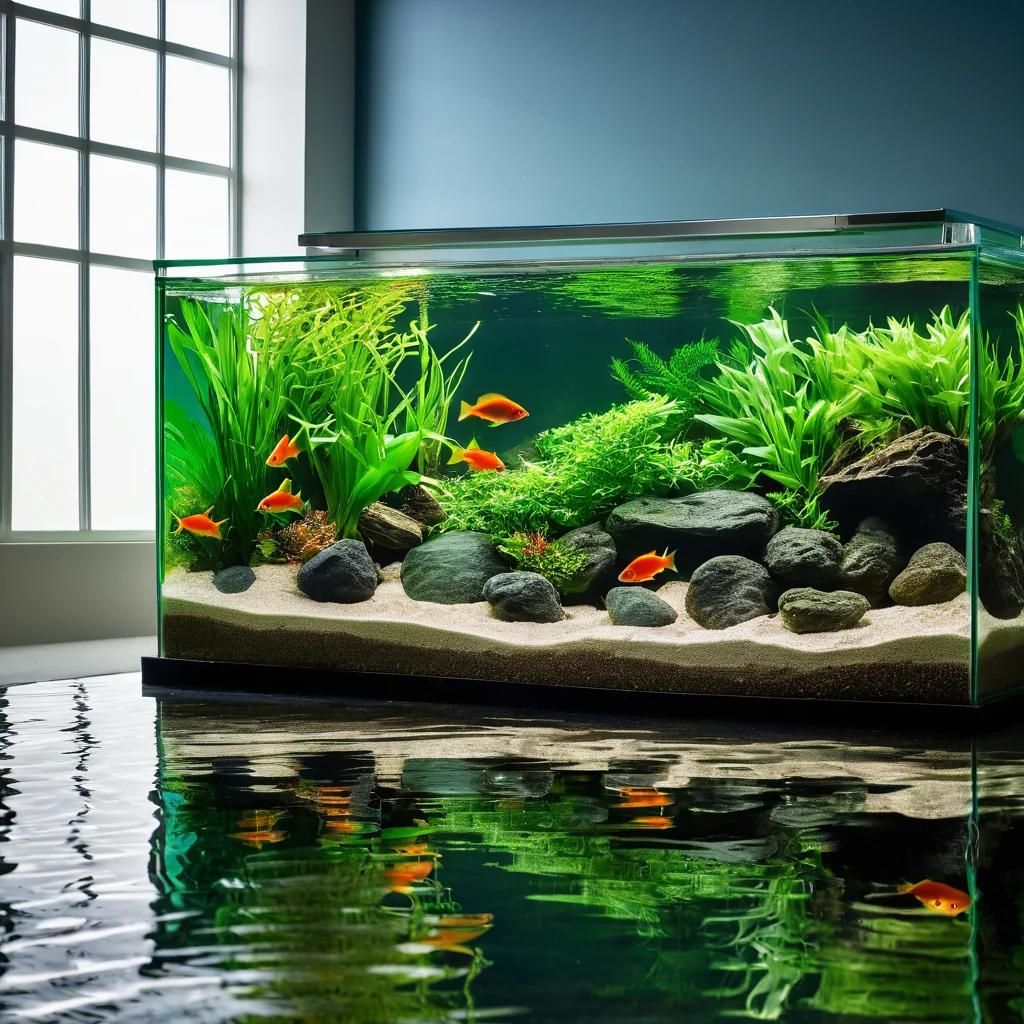

An aquarium is a living work of art on your wall, a small piece of nature. Set up correctly, it runs smoothly for years and the fish live happily. Set up wrong, the first weeks bring fish deaths + a disappointed owner. The most critical step in a first aquarium is the "cycle," meaning the formation of the bacterial filter; fish added without it will die. This post covers setting up your first aquarium, the 30-day "fishless cycling" method, choosing fish + a care routine.
1. Aquarium Size: "Bigger Is Easier"
The most common mistake first-time aquarium owners make: buying a small (10-20 L) aquarium. A small volume of water throws the water parameters off quickly, with swings in temperature + ammonia + pH. Recommendations:
- A minimum of 60-80 liters to start.
- 120-200 liters is ideal: water parameters stabilize, and you can keep a wider variety of fish.
- For goldfish: 80 L for one fish, +30 L for each additional fish.
- For a betta: 20-30 L (a single male).
Drop the myth that "a 5 L aquarium is enough for a fish"; stress + death are common in small tanks.
2. Equipment You Need
- An aquarium + a stand that supports the weight. 1 liter = 1 kg; a 100 L tank = 100+ kg.
- Filter: A filter capacity of 4-6 times the tank volume per hour. Internal or external filter.
- Heater: 24-26°C for tropical fish. Roughly 1 W per liter.
- Lighting: An LED aquarium light; 8-10 hours a day.
- Substrate: Gravel or sand.
- Decor: Natural stone, wood (washed for aquarium use), plants.
- Water test kit: Ammonia, nitrite, nitrate, pH (critical).
- Water conditioner: Dechlorinator (a must for tap water in Türkiye).
- Thermometer.
- Water change hose + bucket.
3. The Cycle: The Backbone of the Aquarium
In an aquarium, beneficial bacteria convert ammonia (fish waste) → nitrite → nitrate. These bacteria are not there at the first setup. Growing the bacteria before adding fish = the "cycle".
Fishless Cycling: 30 Days
- Week 1: Set up the aquarium + water + heater + get the filter running. Add pure ammonia (to a 4 ppm concentration).
- Weeks 2-3: Ammonia starts dropping to 0, nitrite rises (the toxic stage).
- Weeks 3-4: Nitrite drops to 0, nitrate builds up (the beneficial stage).
- End of week 4: Ammonia + nitrite = 0, nitrate < 20 ppm → the cycle is complete.
- Do a 50% water change + add your first fish (slowly, a few at a time).
This process looks tedious, but if you skip it, fish deaths are unavoidable.
4. Choosing Fish (for Beginners)
Hardy + Peaceful Species
- Guppy: Colorful, breeds easily, a classic starter fish.
- Platy: Social, hardy.
- Tetra (Neon, Cardinal): In a school of 6+.
- Corydoras (Cory catfish): Bottom cleaner, a group of 5+.
- Otocinclus: A small algae eater.
- Betta (alone): A single male + lots of plants.
Avoid as a Beginner
- Discus: very sensitive to water parameters.
- Cichlids: aggressive or for experts.
- Common pleco: grows to 50+ cm.
- Oscar, arowana: large + aggressive.
5. Adding Fish to the Aquarium
- Float the new fish's bag in the aquarium for 15-20 minutes (so the water temperature evens out).
- Every 10 minutes, add 1 cup of aquarium water to the bag (parameter adjustment, known as "drip acclimation").
- After 1 hour, move the fish into the aquarium with a net (NOT the water in the bag).
- Do not feed for the first 24 hours.
- Keep the light low + things quiet for the first week.
Add slowly: 1-2 fish per week. Putting in 10 fish at once = an ammonia spike.
6. Care Routine
- Daily: Watch the fish (swimming, color, behavior), check the thermometer, is the equipment working?
- Weekly: A 20-25% water change (with dechlorinator added). Clean algae off the inside of the glass.
- Monthly: Rinse the filter sponge in aquarium water (tap water KILLS THE BACTERIA).
- Every 3 months: Deep clean by siphoning the substrate. Test water parameters.
- Every 6 months: Trim plants, maintain equipment.
7. Feeding
- Small meals 1-2 times a day: all the food should be eaten within 2-3 minutes, since leftover food produces ammonia.
- Variety: Rotate pellets + flakes + frozen food.
- One fasting day a week: Gives the digestive system a break.
8. Common Problems
- Cloudy water (first week): An early stage of beneficial bacteria multiplying. Be patient for 1-2 weeks.
- Algae: Too much light + too much food + phosphate-rich water. Cut light time to 6 hours + reduce food.
- Fish deaths: Test the water → are ammonia/nitrite high? Do a 50% water change + reduce food.
- White spots on fish (Ich): Treat in a quarantine tank; medicate the whole aquarium.
9. Frequently Asked Questions
Should I start with freshwater or saltwater?
Freshwater is much easier in terms of equipment + care + cost. Saltwater (marine) is advanced level.
Can goldfish be kept in a bowl?
No. Goldfish grow to 30+ cm and need a filter + heat + a large tank. A bowl = stress + early death.
Can I add fish in the first week?
The traditional method says yes, but since the cycle has not formed, an "ammonia spike" can lead to fish deaths. Fishless cycling adds 30 days, but far fewer fish are lost.
Can't I use tap water to rinse the filter?
No. Chlorine kills the beneficial bacteria. Gently squeeze the filter sponge in aquarium water.
Is a dechlorinator a must when changing water?
Tap water in Türkiye contains chlorine/chloramine, so yes, it is a must. Otherwise, letting the water sit (24 hours) lets chlorine evaporate, but a dechlorinator (Seachem Prime, Tetra AquaSafe) is safer.
Live plants or plastic?
Live plants are much better: oxygen, natural water filtering, a natural look. Java fern, anubias and vallisneria are starter plants (low light + hardy).
Is my aquarium temperature too high or too low?
24-26°C is ideal for tropical fish. Above 28°C oxygen drops; below 22°C fish slow down. A thermometer + a reliable heater are a must.
Final Word
An aquarium takes patience + knowledge + consistent care. If you get the first 30 days right, the years ahead flow smoothly. Test your water parameters, add fish slowly, and feed small + frequent meals.
Keep notes on your aquarium care routine in DoldurKabı Pet Health Tracking.
This guide is for informational purposes; for fish health, work with a vet experienced in aquarium fish (or, if there is none, a pet shop specialist).









