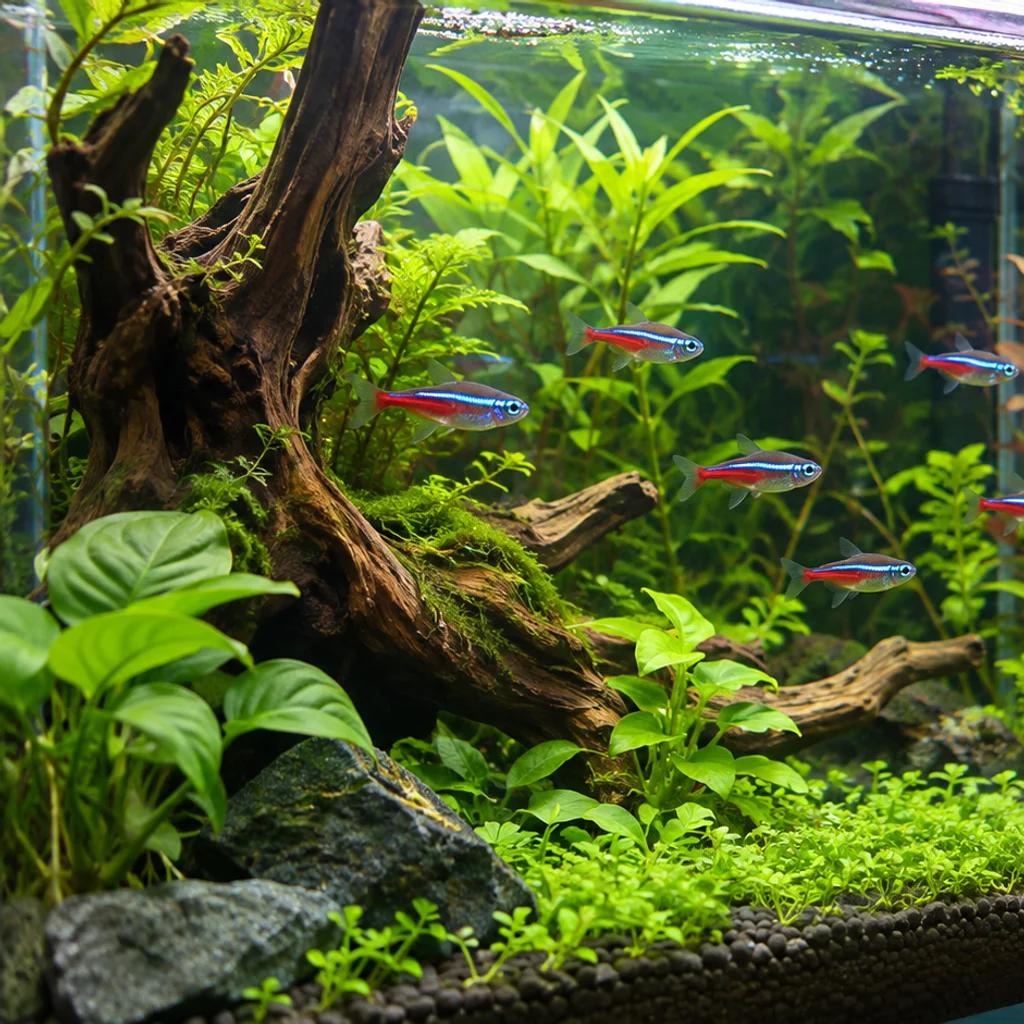

Once your aquarium has settled into a routine, it is completely natural to start thinking about adding a new fish one day. Maybe you want to grow your school, or maybe you want to bring some movement to the bottom of the tank. But a new fish can change the balance of the aquarium in unexpected ways: it can bring a disease with it, fail to get along with the current fish or put a sudden load on the water parameters.
The good news is that most of these risks can be reduced with a simple sequence of steps. In this post we walk you step by step through what to do before adding a new fish to your aquarium, why quarantine works and how to acclimate the fish to the water.
Is your aquarium ready first?
Before thinking about a new fish, you need to look at the state of your current aquarium. Answer these questions:
- Is the water cycle established? Adding fish to a newly set up aquarium whose nitrogen cycle is not complete is risky. Seeing with a test kit that ammonia and nitrite are too low to measure is a good sign.
- Is there enough capacity? Every new fish adds load to the filter and the water. If the aquarium is already crowded, adding a new fish can quickly degrade water quality.
- Are the current fish healthy? If there is already a fish in the aquarium that looks sick, you need to deal with it first.
Check species compatibility
The needs of every fish in the aquarium should be close to one another. When considering a new species, look at the following:
- Temperature and water chemistry: Some species like warm, soft water, others prefer cool or hard water. Species whose ranges do not overlap struggle when kept together.
- Size: You should not put a species that could eat fish small enough to fit in its mouth in the same aquarium as small fish.
- Temperament: Territorial or fin-nipping species can be a problem for calm, long-finned fish.
- Swimming zone: A balanced mix of fish that live at the surface, in the middle and at the bottom makes the aquarium both calmer and livelier.
- Social structure: Some fish live in schools and get stressed when left alone. For example, schooling fish like the neon tetra should be thought of as a group, not one at a time.
To learn about the water parameters, sizes and temperaments of different species, take a look at our fish encyclopedia.
Take a careful look at the new fish first
Watching the fish you are thinking of adding, and the other fish it lives with, for a while lets you spot some problems from the start. A healthy fish usually shows the following:
- Fins are open and not torn
- No white spots, cottony patches or wounds on the body
- Swims steadily, does not lean to one side or sink to the bottom
- The other fish in the same tank also look active and healthy
If there are dead or sick-looking fish in the same tank, it is wiser to hold off on bringing home a new fish from that tank.
Why does a quarantine tank work?
Even a healthy-looking fish can carry a disease or parasite that is not yet showing symptoms. When that fish goes straight into the main aquarium, the problem can spread to all the fish. Quarantine is a way to reduce this risk by keeping the new fish in a separate tank for a while.
What should a quarantine tank have?
- A small, separate tank
- A working filter; a piece of filter sponge that has been in use in the main aquarium for a while can help beneficial bacteria settle in quickly
- A heater to keep the temperature right for the species
- A hiding spot where the fish can feel safe
- A simple layout; keep substrate and decorations to a minimum to make observation easier
As for how long quarantine should last, most aquarists recommend waiting a few weeks. During this time, briefly observe every day whether the fish is eating, how it swims and how its body looks. If you see no signs of trouble, you can plan the move to the main aquarium.
Bringing it home
During transport, sudden temperature changes and light cause stress. Protect the transport bag or container from sun and cold; in winter a thick bag or an insulated box does the job. Keep the trip as short as possible, and when you get home leave the aquarium light off for a while.
Acclimating to the water
Temperature first
Without opening the transport bag, float it on the surface of the aquarium or quarantine tank for a while. This lets the temperature of the water in the bag slowly approach that of the aquarium water. Do not leave the bag directly under the lamp.
Then water chemistry
After opening the bag, add small amounts of aquarium water to it at intervals. This lets the fish gradually adjust to the chemistry of the new water. Repeating this a few times is healthier than rushing.
Moving the fish
When acclimation is done, move the fish into the aquarium with a net. Be careful not to pour the water from the bag into the aquarium; it may carry unwanted substances or microorganisms.
The first days
In the first hours, the new fish may hide, look pale or stay near the surface. These are usually temporary. Feeding little or nothing on the first day lets the fish get to know its surroundings and keeps the water clean.
In the days after the move to the main aquarium, watch how it interacts with the current fish. There may be brief chases, but a fish that is constantly chased, has its fins nipped or gets cornered is a sign of incompatibility. Adding more hiding spots or rearranging the decor can reduce territorial fights.
Monitoring the water in the weeks after the move
When new fish join the aquarium, it can take a little time for the beneficial bacteria in the filter to catch up with the increased waste. That is why it is a good habit to test the water more often than usual for a few weeks after the move. If you see a rise in ammonia or nitrite, cut back on feeding and keep up regular partial water changes.
With fish added to the bottom zone, you also need to pay attention to the substrate. For example, for species like corydoras that forage on the bottom and like to live in groups, soft sand or a rounded substrate is more suitable than sharp-edged gravel. Regularly cleaning up leftover food on the bottom also protects water quality. New fish can take a while to find their place in the aquarium; within a few weeks you will see their behavior settle.
Warning signs
Be careful if you see these signs in quarantine or in the main aquarium:
- White spots on the body or fins
- Fraying or melting at the fin edges
- Cottony or fuzzy-looking patches
- Rapid breathing at the surface
- Lying on the bottom all the time, unsteady swimming
- Loss of appetite lasting several days
Test the water first; some problems can come from water quality. If the symptoms continue, get help from a vet or specialist experienced in fish health. Adding medication to the aquarium based on hearsay can harm both the fish and the beneficial bacteria in the filter.
Frequently Asked Questions
Can I add a new fish without a quarantine tank?
You can, but the risk goes up. If setting up quarantine is not possible, you need to watch the fish carefully every day for a few weeks after adding it to the main aquarium.
How many new fish should I add at once?
That depends on the size of the aquarium and the capacity of the filter. Starting with a small number of fish and moving forward while watching the water parameters gives the aquarium time to adjust to the new load.
My new fish is hiding and not eating. Is that normal?
For the first day or two, yes. If hiding and loss of appetite last longer than a few days, test the water and check whether the other fish are bothering it.
Why should I turn off the light before putting the new fish in the aquarium?
Dim light reduces the stress of a fish worn out from transport and makes it harder for the current fish to go after the newcomer right away.