


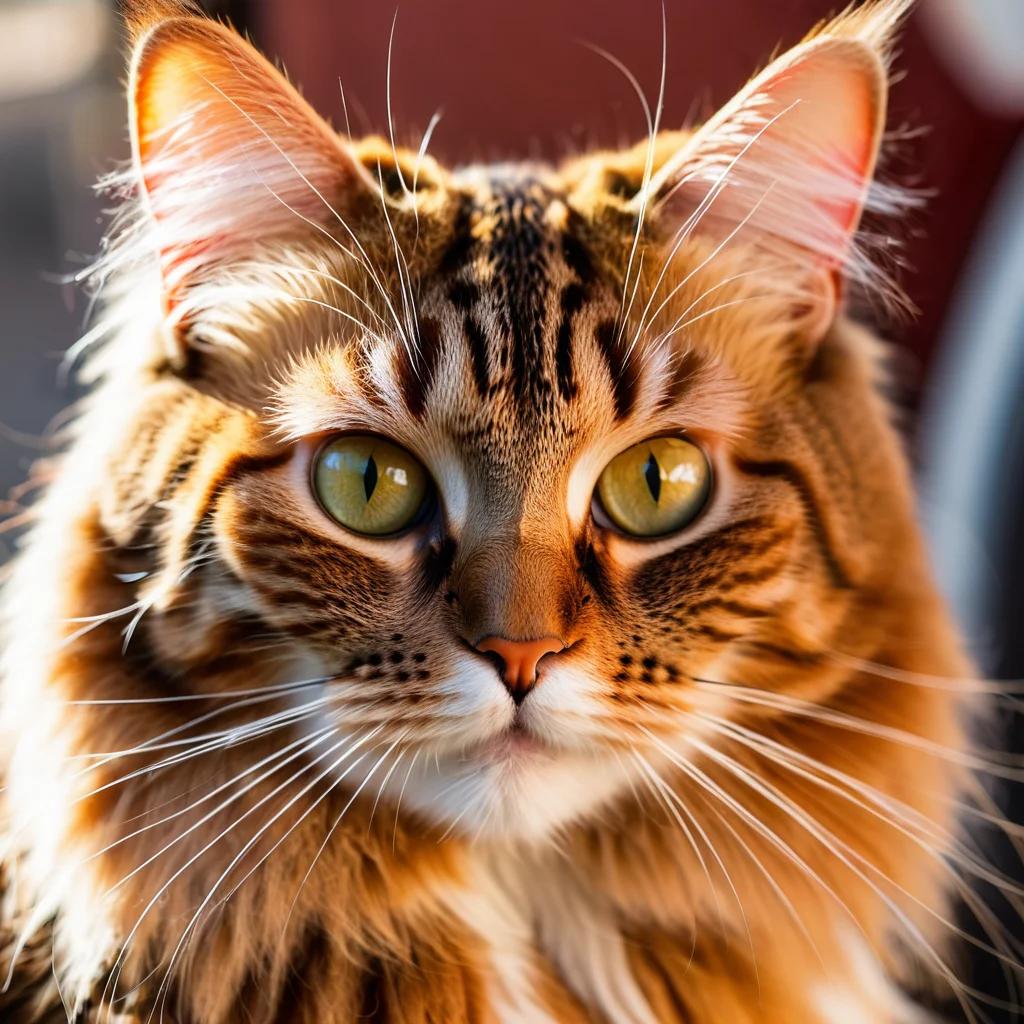

Antalya is the tourism capital of the Mediterranean, with a population of 2.5+ million and a mild climate all year round. For a cat, it is almost a "tropical paradise": no real winter, long summers and plenty of sun. Owning a cat in districts like Konyaaltı, Lara, Muratpaşa and Kepez is an easy and sustainable experience. In this post, we look at what owning a cat in Antalya is like, neighborhood-based living tips, managing the summer heat, the vet network and ways to adopt.
1. Cat Culture in Antalya
Cats get a warm welcome in Antalya. The street cat population stays high all year; since it never gets cold, life on the street is not hard. Municipalities have expanded their shelter, spaying/neutering and adoption programs, especially in recent years. In Antalya, both the tourism sector and permanent residents keep the love of cats alive.
2. Apartments and Cats: The Antalya Way
- Apartments are usually large and have balconies: Balconies are used all year, which is a big plus for a cat.
- Gated communities are common: In the modern complexes of Lara and Konyaaltı, check the "pet rules".
- Air conditioning is a must: In the summer months, an air-conditioned room is essential for a cat.
- Renting: Bans are rarely written into leases; landlords tend to be flexible about cats.
- Apartments used as summer homes: Owning a cat is a better fit for permanent living.
3. Living by District: Muratpaşa (City Center)
The heart of Antalya:
- Konyaaltı - Liman: The coastline, with views and cooler air for a cat. The vet network is dense.
- Lara - Güzeloba: Coast plus modern complexes. Good vet access. A mix of summer homes and permanent residents.
- Şirinyalı - Etiler: City center, plenty of vets, an area where many families live.
- Kaleiçi: The historic center, with narrow streets. Lots of cat life among the hotels and restaurants.
4. Living by District: Kepez, Aksu, Döşemealtı
Kepez: The largest and most populous district. Mostly permanent residents. Affordable apartments. The vet network is fair to good.
Aksu: A newly developing modern district. Spacious apartments in gated complexes. The vet network is still growing.
Döşemealtı: Semi-rural, homes with large yards. A luxurious setting for a cat, but vet access depends on the center.
Manavgat - Side: A tourist and vacation area. Good for year-round living, but the vet network is limited.
5. The Vet Network
Antalya has a large number of vet clinics:
Clinics are concentrated around busy areas, 24-hour emergency services, the university and tourist areas; which one is open on a given night changes.
6. Monthly Expense Items
- Food
- Litter
- Vet and vaccines
- Medication and parasite control (year-round, needed in Antalya)
- Equipment
- Air conditioning electricity (summer extra): +
The fee depends on the city, whether it is a clinic or a hospital, after-hours visits, imaging or hospitalization, and the animal's weight and age. The provincial Chamber of Veterinarians (Veteriner Hekimleri Odası) publishes an annual minimum fee schedule; the schedule is a floor, not the final bill. Ask the clinic for a written or verbal estimate.
7. Antalya's Climate: Upsides and Challenges
A Mediterranean climate:
- Summer (June-September): 35-42°C, high humidity. HARD on cats, with a risk of heatstroke.
- Winter (December-February): 10-18°C, almost ideal for a cat.
- Spring/Fall: Wonderful, with balcony life at its peak.
- Humidity: High near the coast, and it can affect a cat's coat.
- Parasites all year: With no cold weather, fleas, ticks and mosquitoes stay active. Year-round protection is a must.
8. Ways to Adopt
- The DoldurKabı app: Adoption listings in the Antalya area.
- Antalya Metropolitan Municipality: Temporary Care Home for Stray Animals (Aksu).
- District municipalities: The Muratpaşa, Kepez and Konyaaltı shelters are active.
- Associations: Antalya Hayvansever Derneği, a local animal welfare association, ATP (Antalya Pati Platformu), HAYTAP Antalya.
- Adopting from the street: Very common. The number of ownerless cats rises after the summer tourist season.
- Hotel cat adoption: Some hotels rehome "their own cats" to guests.
9. Antalya-Specific Advice
- Managing summer heat: Air conditioning, a cool corner, a cooling mat and plenty of water are a must. Cats are very sensitive to heatstroke.
- Year-round parasite control: Monthly protection from March to November; there is a low-level risk in winter too.
- Balcony netting: People in Antalya are used to keeping windows open, so balcony safety is critical.
- Vets in tourist season: Getting a vet appointment can be hard in the summer months, so plan ahead.
- Summer home planning: If the owner comes to a summer home in Antalya from Istanbul or Ankara, prepare a cat transport and settling-in plan.
- Feeding street cats: The neighborhood's street cats need more water in the summer heat, so set up a water and food station.
10. 5 Practical Tips
- Get ready for summer before the AC season (June): set up your cat's cool corner and plenty of water.
- Microchip and DoldurKabı registration: the risk of cats getting lost is high in tourist areas.
- Year-round parasite protection: a low dose in winter, a high dose in summer.
- Emergency vet list (24 hours): keep it ready on your phone in case of summer heatstroke.
- Animal lover community: Antalya's associations are active and help with adoption and advice.
Antalya is one of the most comfortable cities in Türkiye for cats: no real winter, plenty of sun and a warm culture. You need to be a bit careful in the summer months, but that is a small detail. In the DoldurKabı app, you can see adoption listings, vet clinics and pet-friendly places in Antalya's neighborhoods on a map.









