


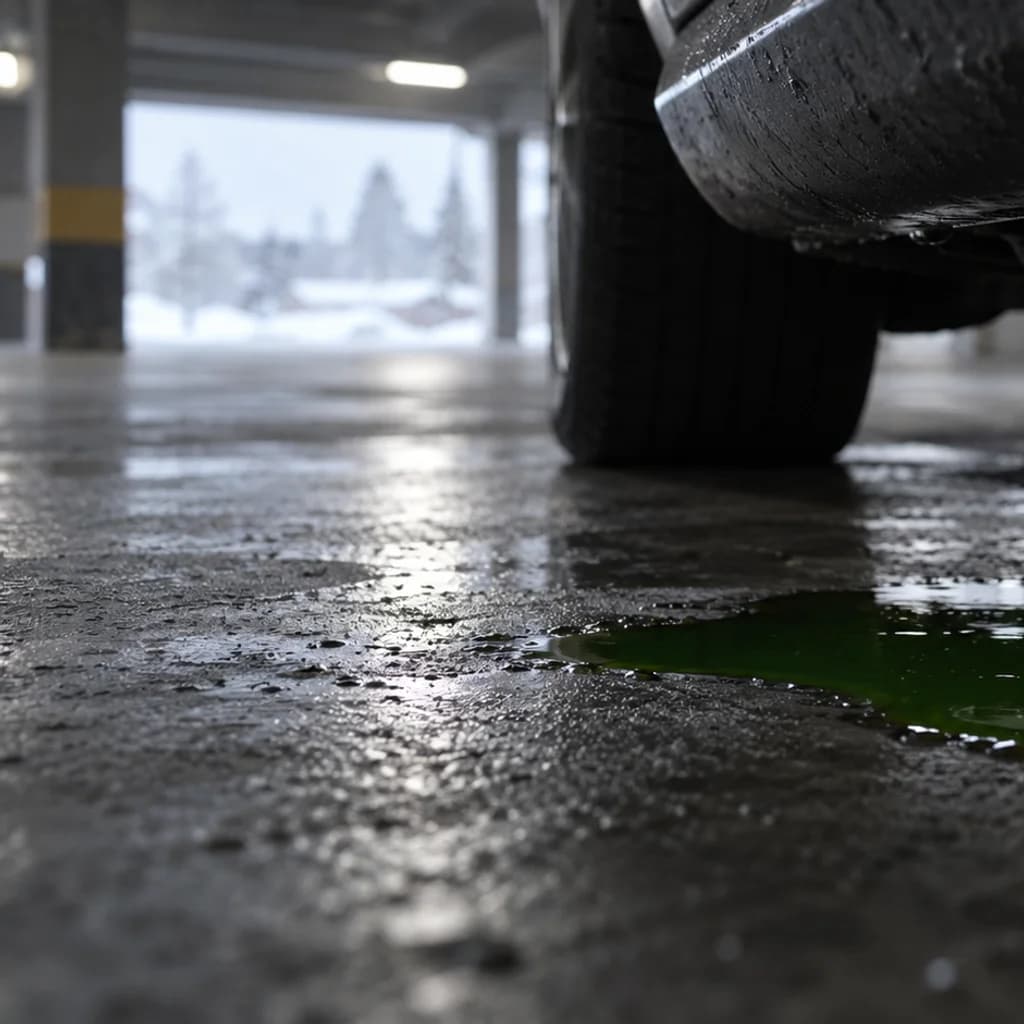

In winter, you might spot a shiny, slightly sticky puddle in a parking lot, at a garage entrance or along the curb. Most of the time people assume it's rainwater. If it's under a car with a leaking radiator or hose, that puddle could be antifreeze. The trouble with antifreeze isn't that it's invisible; quite the opposite, it draws attention: its sweetish smell attracts cats and dogs.
Common types of antifreeze contain ethylene glycol. Once in the body, it breaks down, and the substances it produces affect the kidneys. The most critical detail in this process is time. In the first hours, the animal may look fine and may even play and eat; even so, damage could be progressing inside. That's why suspected antifreeze exposure is not something to wait out; it means going to the vet right away.
The sections below aren't meant to scare you. They're written so you know what to do, calmly and in order. For someone who gets in and out of a car in the same spot all winter, this information turns into a habit that takes a few minutes.
Why is antifreeze such a problem?
Three things come together. The first is taste: animals may lick the liquid willingly; no one has to force them to drink it. The second is that even small amounts can be enough; cats in particular have a narrower tolerance because of their low body weight. The third is the deceptive course of symptoms: after the first stage there may seem to be a temporary improvement, which leads families to think "it's over."
Another point is the variety of ways exposure happens. The animal may not drink straight from the puddle; it may lick liquid off its paw while grooming, or take in an amount that got on its fur by licking. For cats living on the street, a parking lot floor is a spot they use while looking for both a warm engine and a source of water.
So the assumption "my pet doesn't eat things off the ground" isn't a safe thing to rely on. Reducing the chance of contact works better than trusting behavior.
Where does exposure come from?
Most sources are around the home and the car. These are the ones you'll run into most often in winter:
- The ground where cars with leaking radiators, hoses or water pumps are parked.
- Coolant spilled on the ground while topping up and not wiped away.
- Jugs and bottles left in the garage with loose caps and faded labels.
- Antifreeze mixtures used for the windshield washer reservoir.
- Drips that collect under a car after servicing or a wash.
In housing complexes and apartment parking garages, there's one more area to watch: the floor of an indoor garage isn't washed by rain. A puddle that forms there can stay for days and create a recurring risk for neighborhood cats that use the same area.
How do symptoms progress?
Symptoms vary by species, the amount taken in and the animal's overall condition. The order below isn't a diagnostic list; it's to help you pull together the observations you'll share when you go to the vet.
The first hours
A drunken-looking, unsteady walk; staggering; unusual sluggishness or, the opposite, restlessness. Drinking a lot of water and urinating often. Vomiting. In some animals this stage is mild and short, which makes it harder to notice.
The quiet period in between
The animal may look more normal. This doesn't mean it's getting better; observation and a vet's assessment are still needed at this stage.
The later stage
Loss of appetite, weakness, a clear drop in the amount of urine, sores or a bad smell in the mouth, changes in breathing. At this stage, treatment becomes more difficult.
You don't need to have witnessed antifreeze exposure to see any of these. In winter, if an animal with access to a parking area shows an unsteady walk together with excessive drinking, be sure to tell your vet.
What should you do in the first hours?
Keep the plan simple. The goal is not to treat at home but to get the animal examined as soon as possible.
- Move the animal away from the area and keep it from going back to the same spot.
- Call your vet right away. If it's after hours, find an open clinic through the emergency vet page and let them know you're on your way.
- On the phone, say clearly: "I suspect antifreeze." That sentence changes the order of things and how they prepare.
- Don't try to make the animal vomit at home, don't give it water or milk, and don't use a mixture you saw online. These waste time and can make things worse.
- Bring the source with you or take photos: the label on the jug, the puddle under the car, the container you found.
- Write down the time. Saying when contact or the first symptom happened directly affects the veterinarian's decisions.
The veterinarian plans the treatment. We're not listing medication names or doses here, because without the timing and the animal's condition, that information doesn't help. If you'd like to look up nearby clinics in advance, browse the vet list and save the phone number in your phone. Saving it before winter starts beats searching at midnight.
Prevention in the parking lot and garage
Most prevention has to do with the car. Check the spot where your car is parked once a week. If there's a colored, shiny or sticky mark on the ground, look for the source; if the cooling system is leaking, take it in for service. Even a small leak drips something onto the ground.
Use a funnel when topping up, and collect spills first with an absorbent material like a rag or cat litter rather than lots of water; then wash the area. Keep the jug tightly capped, off the floor and on a shelf the animal can't reach. Don't reuse containers with unreadable labels for anything else.
There are also propylene glycol-based products on the market. These aren't safe to drink either, but if your car's manual allows them, they're an option worth choosing. Whichever product you use, the habit of cleaning up spills stays the same.
Health notes you keep at home for your own pet come in handy in situations like this. If you keep vaccine and checkup history organized, you won't be scrambling for information during an emergency night visit. The health tracking section in the app keeps these records in one place.
What can you do for neighborhood cats?
Street cats look for warm ground in winter, which is why parking lots get so much use. When you see a puddle, first cover it or keep the area closed off, then let the building management or the car owner know. When you write to your apartment group, a descriptive sentence works better than accusatory language: which car, which spot and how long it's been there.
When cleaning, wear gloves, collect the liquid with absorbent material and wash what's left with soapy water. Sweeping the liquid into a storm drain is not a solution.
If one of the cats you feed in the neighborhood is staggering, drinking a lot of water or suddenly becomes still, consult a vet without blaming it on old age or the cold. If you need to find out whether an animal you found has an owner, you can check the lost pet listings; if it's ownerless, you can see local shelter options on the shelters page.
Frequently Asked Questions
My pet may have only licked its paw. Should I still go?
Yes, check with your vet. Liquid that gets on the fur or paws can end up in the mouth during grooming. Describe the situation on the phone; the veterinarian will decide whether you need to come in. Calling is always an easier step than waiting.
There are no symptoms. Can't I just watch for a few hours?
With suspected antifreeze exposure, watching doesn't help, because the time that passes without symptoms can overlap with the window when treatment is most effective. If there's any suspicion, an exam the same day, ideally within the same hour, is safer.
How can I tell whether the liquid on the ground is antifreeze?
You don't need to know for sure. If there's a colored, shiny liquid that doesn't flow like water and is dripping from the lower front of the car, the right approach is to treat it as antifreeze and clean the area. Don't use methods like smelling it or tasting it with your finger.
Is winter windshield washer fluid risky too?
Mixtures that contain antifreeze aren't suitable for animals. Keep the reservoir cap closed, clean up spills and don't leave the bottle lying around inside the car. Anywhere children can reach, animals can reach too.









