


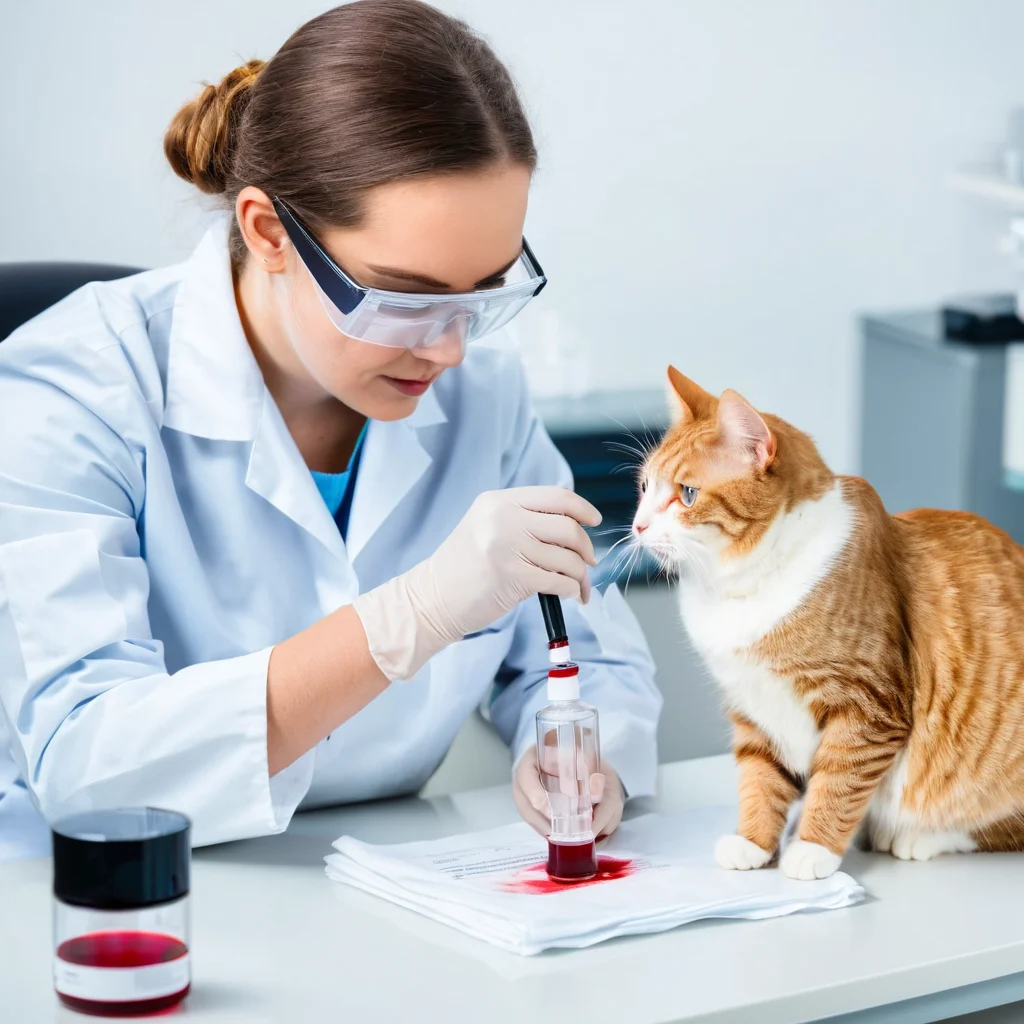

An antibody test (titer) measures whether your pet responded well enough to a vaccine. Instead of repeating vaccines every year, a 3-year vaccine approach has scientific support. Here we cover clinics in Türkiye that offer it, cost and which vaccines it suits. It reduces the risk of over-vaccination. In this post we take a detailed look at the antibody (titer) test.
1. What Is an Antibody Test
- A blood test → measures the level of a specific antibody.
- It determines whether your pet's response to a vaccine is enough.
- Enough antibodies = the vaccine is providing protection.
- Not enough antibodies = a vaccine is needed.
- An assessment of an individual pet's immunity.
- It's starting to replace the "one dose is the same for everyone" approach.
2. Which Vaccines Are Tested
- Dog: Parvo, Distemper, Adenovirus (CAV-2/hepatitis).
- Cat: Panleukopenia, Calicivirus, Herpesvirus.
- Rabies: RFFIT test (for travel abroad).
- There is NO titer for Bordetella, Lyme or Leptospirosis (yearly vaccination is recommended).
- Common for core vaccines.
3. The Testing Process
- The vet takes a blood sample (1-3 ml).
- It's sent to a lab.
- Labs are limited in Türkiye (big cities).
- Results in 3-7 days.
- VacciCheck (a common in-house test in Türkiye).
- Lab test (more precise, more expensive).
- Result: positive (protected) / negative (vaccine needed).
4. Cost (Türkiye)
- VacciCheck (dog, 3 vaccines)
- VacciCheck (cat, 3 vaccines)
- Full lab test
- Rabies RFFIT (for travel abroad)
- Yearly vaccine fee
- 1 test every 3 years plus vaccines = it evens out over 5 years.
- An investment in a science-based approach.
The fee depends on the city, whether it's a clinic or a hospital, after-hours visits, imaging or hospitalization, and the animal's weight and age. The provincial Chamber of Veterinarians (Veteriner Hekimleri Odası) publishes a yearly minimum fee schedule; the schedule is a floor, not the final bill. Ask the clinic for a written or verbal estimate.
5. When to Do It
- As an alternative to yearly vaccines.
- After the puppy or kitten vaccine series (16 weeks+).
- For an adult pet whose vaccine history is unknown.
- For a pet at high risk of side effects.
- For a senior pet (to cut down on unnecessary vaccines).
- Before travel abroad (rabies).
- When a weak vaccine response is suspected (immune deficiency).
6. AAHA and WSAVA Recommendations
- AAHA (American Animal Hospital Association): Core vaccines every 3 years, or a titer.
- WSAVA (World Small Animal Veterinary Association): The same recommendation.
- Rabies every year (legally required in Türkiye).
- Non-core vaccines every year (Bordetella, Lyme).
- The pet owner and the vet decide together.
- A yearly physical exam is a must.
7. A Positive Titer Result
- Your pet is protected.
- NO need to repeat the vaccine.
- Test again in 2-3 years.
- No risk of side effects (no vaccine given).
- Costs even out in the long run.
- The vet issues a certificate (for travel abroad).
8. A Negative Titer Result
- Your pet doesn't have enough protection.
- A booster vaccine is needed.
- Vaccine, then a repeat test 4 weeks later (optional).
- Some pets respond weakly to vaccines (non-responders).
- Genetic factors.
- Age and health status play a role.
- The vet recommends a protocol.
9. Advantages
- Lower risk of over-vaccination.
- Fewer side effects.
- Less stress for senior pets.
- The immune system isn't stimulated unnecessarily.
- A science-based approach.
- Protection tailored to the individual pet.
- A certificate for travel abroad.
10. Disadvantages
- Cost (more expensive than a single yearly vaccine).
- Limited clinics in Türkiye.
- Waiting time for results.
- Rabies vaccination is legally required every year in Türkiye (a titer isn't accepted within the country).
- No titer for non-core vaccines = yearly vaccination.
- Requires a well-informed vet.
- The pet owner plays an active role.
The vaccine antibody (titer) test follows a simple formula: science-based + less over-vaccination + a 3-year approach + the AAHA recommendation. It's modern vet practice: individual assessment instead of automatic yearly vaccines. It's becoming more common in Türkiye. Costs even out in the long run. Rabies is the legal exception. In the DoldurKabı app, you can find a list of vets that do titer testing on a map.









