


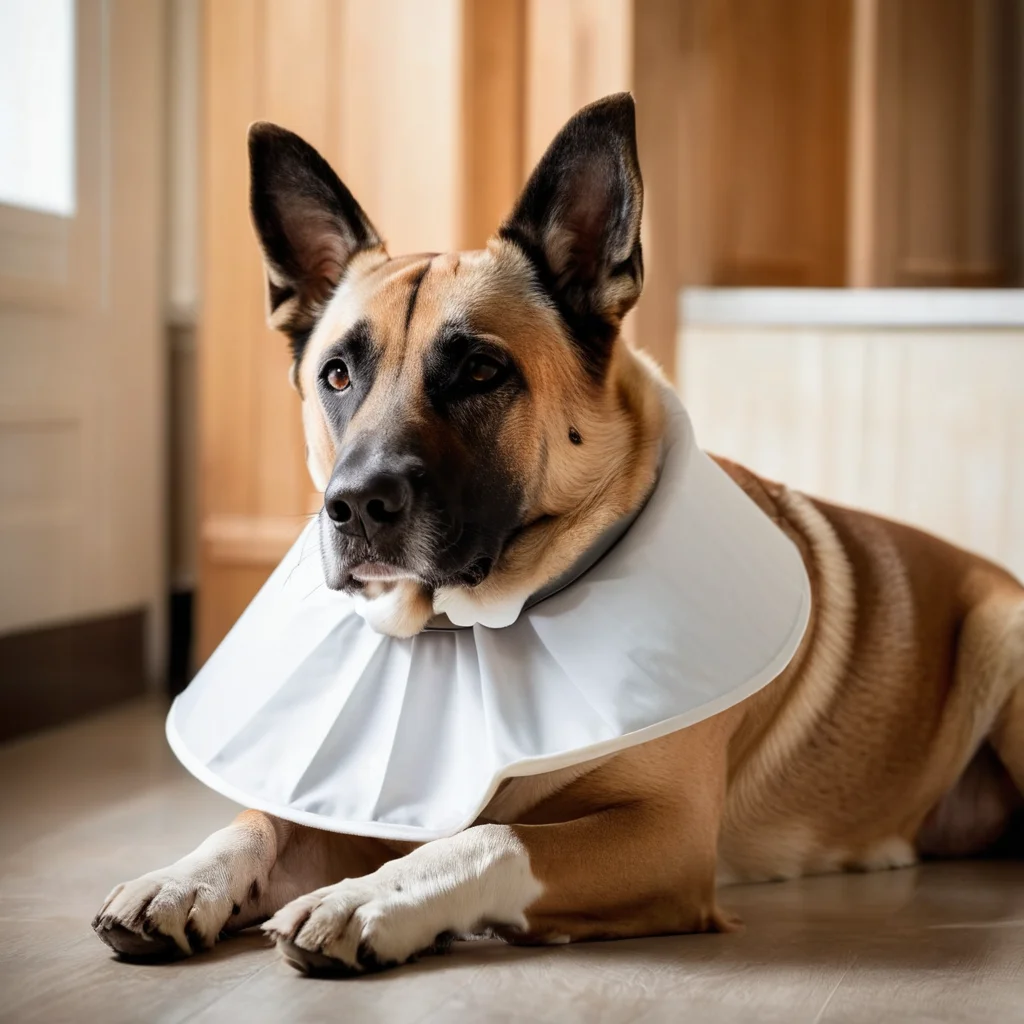

Excessive licking is when a dog keeps licking the same paw, leg or belly, which eventually ends in hair loss, ulcers and infection (acral lick granuloma). It can have both physical causes (allergy, pain, parasites) and psychological ones (anxiety, boredom). If the two sources aren't told apart, treatment fails. An e-collar is a temporary fix; lasting treatment requires finding the root cause. In this article, we look at the treatment protocol for excessive licking.
1. Acral Lick Granuloma (ALG)
- A specific skin lesion in dogs caused by constant licking.
- Usually on the front leg (radial surface) or the lower back leg.
- First redness → hair loss → thickened skin → ulcer.
- Secondary bacterial + fungal infection.
- Left untreated, it progresses for months.
2. Causes: Physical
- Atopic dermatitis (allergy): The most common. Environmental or food.
- Bacterial/fungal infection: Can be the initial trigger.
- Joint pain: Licking soothes the painful area.
- Parasites (ticks, fleas, demodex): Itching.
- Foreign body: A thorn, irritation.
- Endocrine (hypothyroidism): Dry skin + itching.
- Neurological: Neuritis, nerve pain.
- Cancer: A skin or bone lesion.
3. Causes: Psychological
- Boredom: Not enough stimulation.
- Separation anxiety.
- Stress: A change in surroundings, a new animal.
- OCD: Repetitive behavior.
- Reinforcement by the owner: Giving attention.
4. Diagnosis (Ruling Out Physical Causes)
- A detailed skin exam + skin scraping.
- Bacterial + fungal culture.
- Allergy testing (intradermal or serum IgE).
- Complete blood count + thyroid test.
- Radiography (joints/bones).
- Biopsy (complex cases).
5. Treating Physical Causes
- Allergy: Apoquel/Cytopoint, hypoallergenic food.
- Infection: Antibiotics (oral, 4-6 weeks).
- Fungus: Antifungal shampoo + systemic treatment.
- Joint pain: NSAIDs, glucosamine.
- Parasites: Medication.
- Endocrine: Specific treatment (levothyroxine).
6. Treating Psychological Causes
- More enrichment (exercise, toys, training).
- Treating separation anxiety.
- SSRIs (fluoxetine) for OCD cases.
- A consultation with a behavioral vet.
- Managing the owner's attention.
7. Treating the Lesion (Local)
- E-collar: Prevents licking. A must.
- Paw sock/boot: An alternative to the e-collar.
- Antibacterial cleaning: Chlorhexidine 2-4%.
- Topical antibiotic cream.
- Bitter spray: Stops licking (not a replacement for the e-collar).
- Surgical excision: Severe + thick lesions.
- Laser therapy: At some vets.
8. Using an E-Collar
- 24/7 until the licking stops completely.
- For 2-6 weeks.
- If the licking is out of control, alternatives (a body sock, a recovery suit).
- Dogs aren't used to an e-collar at first → restless for 1-2 days, then OK.
- Your dog should be able to eat and drink comfortably.
9. A Multimodal Approach
Usually a single intervention isn't enough:
- E-collar (protecting the wound).
- Allergy treatment.
- Antibiotics (infection).
- SSRIs (psychological).
- Enrichment (boredom).
- Diet (hypoallergenic).
- A 3-6 month process.
10. Prevention + Maintenance
- A vet checkup at the first sign (e-collar + treatment).
- Yearly allergy + parasite checks.
- Regular exercise + mental stimulation.
- Reducing stress.
- Daily paw + skin checks.
- A behavioral vet for recurring cases.
Excessive licking is a complex behavior problem. The formula of telling physical from psychological causes + multimodal treatment + an e-collar + patience brings healing. Early intervention = a small lesion; late intervention = months of treatment. In the DoldurKabı app, you can find vet clinics experienced in dermatology and behavior on the map.









