


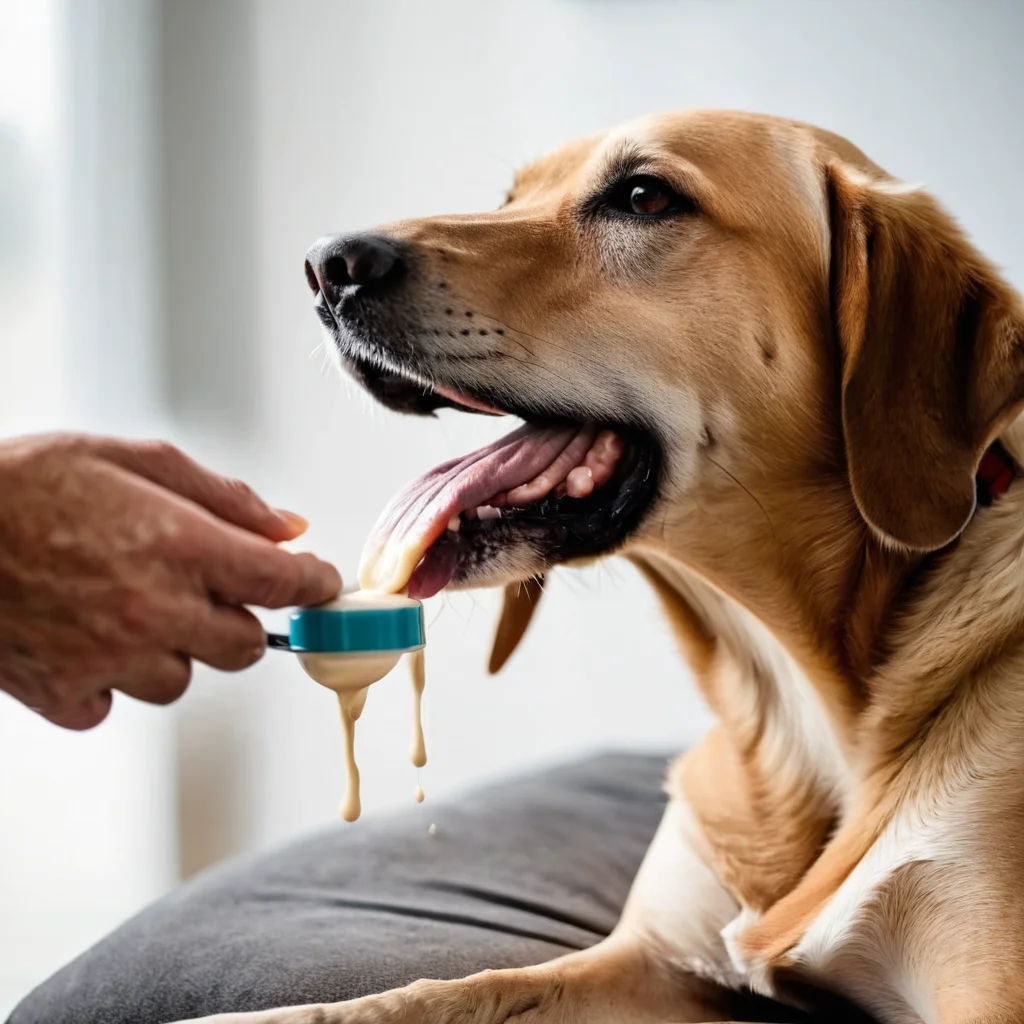

Atopic dermatitis is the most common chronic skin disease in dogs and cats. Environmental allergens (pollen, mites, mold, grass) trigger it, the immune system overreacts, and the skin becomes inflamed. The result is a cycle of constant scratching, licking and skin infections. Predisposed breeds, allergy testing, modern medications (Apoquel, Cytopoint) and immunotherapy options. In this post, we look at atopic dermatitis in detail.
1. What Is Atopic Dermatitis?
- Skin barrier dysfunction + an immune overreaction.
- A chronic inflammatory skin condition triggered by environmental allergens.
- It usually starts between 1 and 3 years of age.
- It lasts for life: it can be managed but not fully cured.
2. Types of Causes
- Environmental allergens: Pollen (seasonal), house dust mites, mold, grass, insect bites.
- Food allergy: Present alongside it in 15-20% of cases. Proteins (chicken, beef), corn, soy, dairy.
- Flea allergy dermatitis (FAD): An allergy to flea saliva.
- Contact: Contact with certain chemicals or plants.
3. The Chain of Symptoms
- Constant scratching + licking.
- Chewing between the paw pads.
- Ear scratching + inflammation.
- Face rubbing.
- Redness on the belly.
- Inflammation in the armpits + groin.
- Skin thickening + pigmentation (chronic).
- Recurring skin infections (Staph, fungal).
- Hot spots.
- Patchy hair loss.
4. Seasonal Pattern
- Spring (March-May): Pollen: tree pollen season begins.
- Summer (June-August): Grass pollen + insects + heat.
- Fall (September-November): Grass pollen + mold.
- Winter (December-February): House dust mites + indoor allergens.
- In chronic cases, symptoms appear year-round.
5. Predisposed Breeds
- West Highland Terrier ("Westie itch").
- Bulldog (English + French).
- Labrador + Golden Retriever.
- Boxer.
- Shar Pei.
- Cocker Spaniel.
- Cairn Terrier.
- Dalmatian.
- Pug.
6. Diagnosis
- Clinical findings + age + breed.
- Ruling out fleas and mites (skin scraping).
- Elimination diet: 8-12 weeks of hypoallergenic food (hydrolyzed protein).
- Intradermal allergy test (30+ allergens under the skin on the back).
- Serum IgE test (blood).
- Culture (to rule out a secondary infection).
7. Treatment Options
Systemic anti-itch treatment:
- Apoquel (oclacitinib): A JAK inhibitor that works quickly. A daily tablet. 800-1,500 Turkish lira per month.
- Cytopoint (lokivetmab): An IL-31 monoclonal antibody injection. Works for 4-8 weeks. 1,500-2,500 Turkish lira per month.
- Antihistamines: Cetirizine, loratadine: partial effect in mild cases.
- Corticosteroids (prednisone): Fast + powerful, but long-term use has side effects (Cushing's, diabetes).
- Cyclosporine (Atopica): An immune modulator. Takes effect in 4-8 weeks.
Topical:
- Shampoos (chlorhexidine, antifungal).
- Sprays + creams (hydrocortisone, calamine).
- Paw washing (after walks).
Immunotherapy:
- A custom vaccine based on allergy testing (allergen-specific immunotherapy).
- Subcutaneous or sublingual, daily.
- A 60-70% response rate.
- It can last 1-2 years or for life.
- The only option that comes "close to a cure."
8. Diet + Support
- Hypoallergenic food (hydrolyzed protein).
- A novel protein (lamb, bird eggs, fish).
- Omega-3 + Omega-6 support.
- Probiotics (gut-skin axis).
- Vitamin E.
- Skin barrier products (ceramide-based).
9. Managing the Environment
- A HEPA air filter.
- Weekly carpet + bed cleaning.
- Year-round flea control.
- Limit time outdoors in the yard during heavy pollen season.
- Paw washing after every walk.
- Change your dog's bed often.
10. Quality of Life + Prognosis
- Atopic dermatitis calls for "management," not a "cure."
- With the right treatment, 80%+ of dogs live normal lives.
- Monthly costs of 500-2,500 Turkish lira (medication + diet).
- Regular vet follow-ups.
- A lifelong responsibility: the owner's discipline is critical.
Atopic dermatitis is a common, chronic skin disease, but one that can be managed well with modern medications. With predisposed breeds, careful adoption + early diagnosis + Apoquel/Cytopoint + immunotherapy keep a dog comfortable. In the DoldurKabı app, you can find vet clinics with dermatology experience on the map.









