


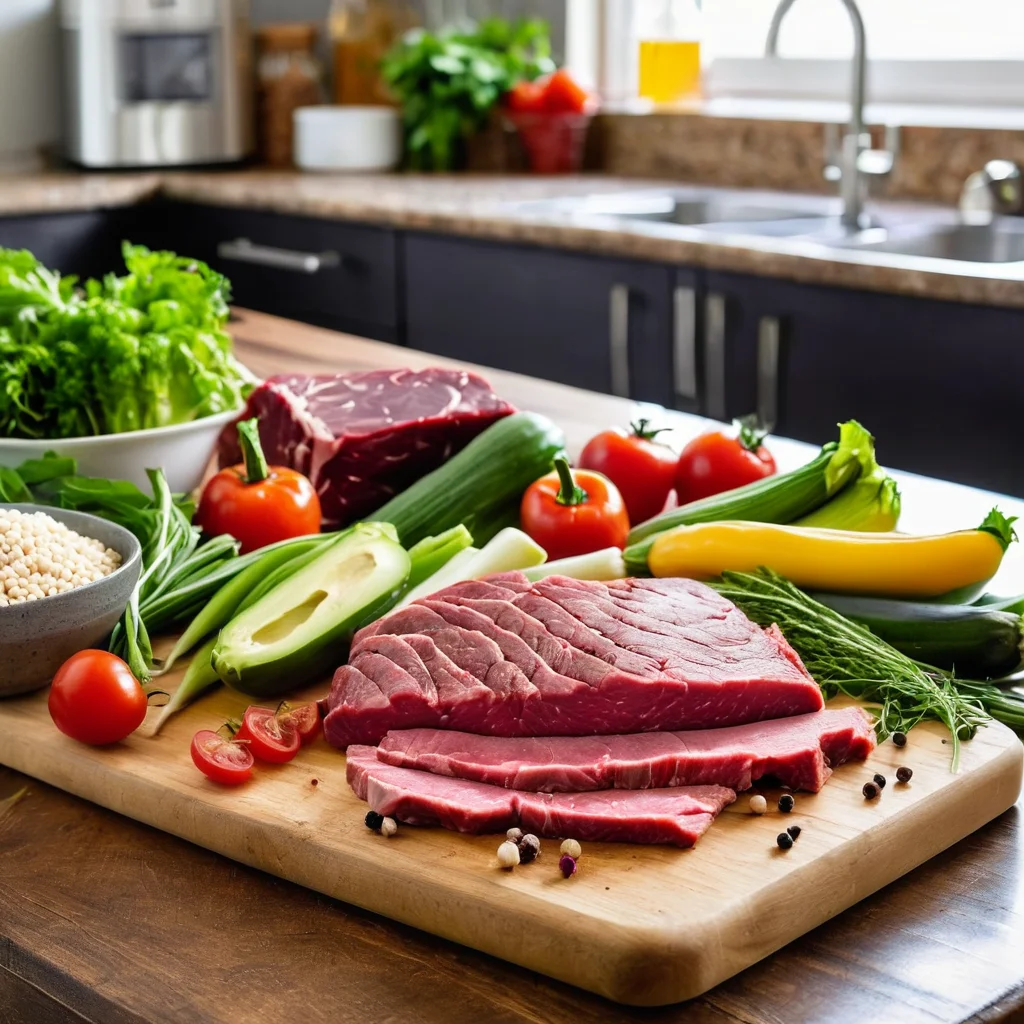

The Bones and Raw Food (BARF) raw diet for pets is controversial. Pros: natural protein, a shiny coat. Risks: Salmonella, bone fractures, nutritional imbalance. Then there's the vet's view and the owner's decision process. It's a modern alternative diet trend. In this post we take a detailed look at the BARF raw diet.
1. What BARF Is
- Bones and Raw Food.
- Developed by Australian vet Ian Billinghurst (1993).
- Based on a hypothesis about the diet modern pets ate before domestication.
- Raw meat, bones, vegetables and organ meats.
- Used INSTEAD of commercial pet food, or alongside it.
- Preferred by breeders and some owners.
- Controversial, with limited scientific support.
2. What Goes into BARF
- 70-80% meat (chicken, beef, lamb).
- 10-15% bone (soft, with meat on it).
- 10-15% organ meat (liver, kidney).
- 5-10% vegetables and fruit.
- Some eggs and fish.
- Sometimes probiotics.
- No dairy products.
- No grains.
3. Pros (According to Supporters)
- A natural protein source.
- Cleaner teeth (from chewing bones).
- A shiny coat and healthy skin.
- Smaller, less smelly stools.
- An active, energetic pet.
- Less allergy and itching (in some pets).
- NO fillers like those in commercial food.
- The claim that it's "natural for pets."
4. Risks (The Vet's View)
- Bacterial: Salmonella, E. coli, Listeria. Raw meat is a risk.
- Risk for the family: A pet's stool and saliva carry bacteria.
- Bone fractures: Injuries to the teeth and intestines.
- Swallowing and choking: Large bones.
- Nutritional imbalance: Vitamin and mineral deficiencies.
- Parasites: Toxoplasma and trichinella in raw meat.
- High cost: Quality raw meat is expensive.
- Preparation time: Constant work for the owner.
5. The Scientific Evidence
- Research in favor of BARF is scarce and weak.
- The AVMA (American Veterinary Medical Association) does not recommend it.
- The WSAVA considers it controversial.
- Some veterinary nutritionists neither support nor oppose it.
- Modern commercial pet food uses science-based formulas.
- The "natural" idea behind BARF does NOT fully match pet evolution (dogs have been domesticated for 15,000+ years and eat grains).
- The decision is the owner's: scientific caution is advised.
6. The Veterinary Nutritionist
- Talking to a vet is a MUST for BARF.
- A plan customized for your pet.
- Vitamin and mineral supplements.
- The calcium to phosphorus ratio (bones).
- Taurine (a must for cats).
- Regular blood tests (to check for deficiencies).
- A full physical exam every year.
7. Which Pets It Doesn't Suit
- Pets with weak immunity: Cancer, chemotherapy, steroids.
- Young pets: Nutritional imbalance causes growth problems.
- Senior and chronically ill pets: Bacterial risk.
- A history of pancreatitis: Watch the fat.
- A baby or elderly person in the family: Bacteria can spread.
- Owners who struggle with strict hygiene: Constant cleaning is needed.
- Assess the risks with your vet.
8. Safe Practice
- Mind the cold chain (fresh meat).
- Thaw frozen meat in the refrigerator for 24-48 hours.
- Hygienic equipment.
- Wash the pet's bowl after every meal.
- Owners wash their hands after touching the meat.
- Keep children away from the pet's food.
- Regular blood checks with your vet.
- A slow transition in the first week.
9. Ready-Made BARF Products
- Professional BARF food brands.
- Pre-formulated and balanced.
- Limited availability in Türkiye (imported from Germany).
- Expensive (100-300 Turkish lira per kg).
- Stored in a deep freezer.
- Easy to use.
- Some brands are vet-approved.
- Safer than homemade.
10. The Decision Process
- Assess your pet's needs and what fits you as the owner.
- A long consultation with your vet.
- A plan from a nutritionist.
- Fit with the family (family health and time).
- Calculate the cost (per year).
- A mixed strategy (half BARF, half dry food).
- Vet monitoring and adjustments.
- The right decision for your pet is made by you and your vet together.
The BARF raw diet comes down to this: a natural protein claim, bacterial risk, nutritional imbalance, a vet specialist as a must, and every pet being different. Pros and cons need balancing. The science is limited. Don't do it WITHOUT a vet specialist. It suits some pets and is dangerous for others. In the DoldurKabı app, you can find a list of vets with nutrition expertise on a map.









