


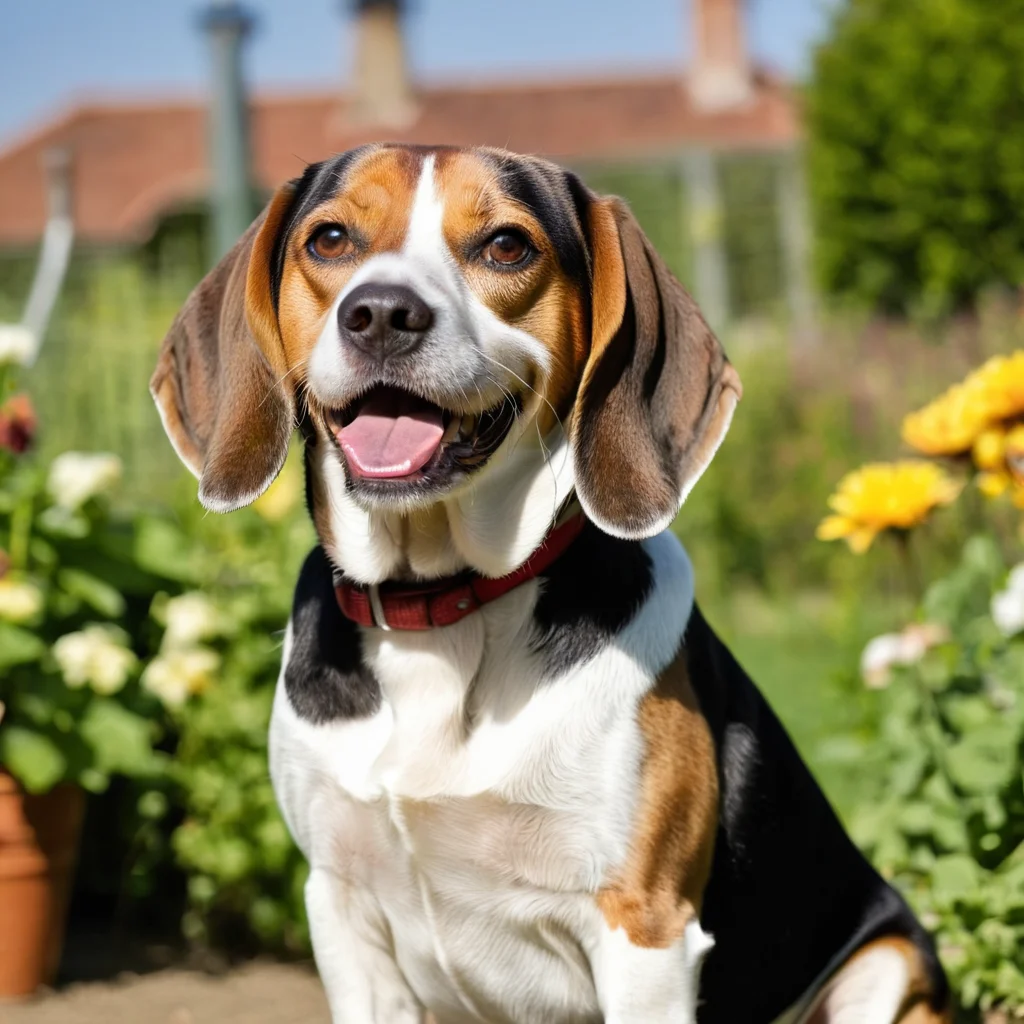

The Beagle is a medium-sized hound and a very popular family dog thanks to its cute tricolor look, gentle nature and social personality. It was used for hunting rabbits in royal England, and today it also works as a drug and explosives detection dog. An extraordinary sense of smell, a sturdy body and an affectionate family dog. But lots of barking, obesity, ear infections and an independent nature are breed-specific challenges. In this article we go over every detail of Beagle care.
1. Beagle Temperament
- Gentle and affectionate: Great with families and kids.
- Social: Gets along very well with other dogs and people.
- Independent nature: Training takes patience.
- High prey drive: An instinct to chase small animals.
- Scent-tracking expert: Among the most highly developed noses in the world.
- A vocal alarm: Lots of barking and howling.
- Active: 60-90 minutes of exercise a day.
- Highly food-motivated: An advantage in training, a danger for obesity.
2. Physical Traits
- Weight: 9-14 kg.
- Height (at the shoulder): 33-40 cm.
- Coat: Short, straight double coat.
- Color: Tricolor (black-tan-white), red and white, lemon and white, blue tick.
- Lifespan: 12-15 years.
3. Coat Care
- Brush 1-2 times a week.
- Daily during seasonal shedding.
- A bath every 6-8 weeks.
- Keep the ear fur clean: the ears are long and floppy.
4. Ear Care (Important)
With long, floppy ears, Beagles have a high risk of ear infections:
- Clean 1-2 times a week with a vet-approved ear solution.
- Dry well after a bath or swim.
- Signs: smelly discharge, head shaking, scratching. See the vet.
- Keep antimicrobial ear products on hand.
5. Managing Obesity (Critical)
A Beagle will do anything for food, so obesity is very common:
- Measure portions strictly.
- Don't give in to "begging."
- Block access to the trash and the kitchen table.
- Treats should be 5-10% of daily calories.
- A slow feeder bowl.
- A yearly weight check.
6. Breed-Specific Health
- Obesity: See above.
- Otitis externa (ear infection): See above.
- Hypothyroidism: Beagles are prone to it.
- Epilepsy: In some genetically predisposed dogs.
- Glaucoma and cataracts.
- IVDD (spine): A long body.
- Diabetes mellitus: In older dogs.
- Cherry eye.
7. Nutrition
- Puppy: medium-breed puppy food, 3-4 meals a day.
- Adult: 150-250 g a day of premium dry food.
- Fatty or spicy human food is OFF-LIMITS.
- Measuring portions is a MUST.
8. Exercise Needs
- 60-90 minutes of active walking a day.
- Sniffing games are critical: they stimulate the natural hunting instinct.
- The "come" command tends to be weak in Beagles, so a high yard wall and a leash are a must.
- Snuffle mat and puzzle feeder.
- Social play with other dogs.
9. Training Tips
- Positive reinforcement: high food motivation is an advantage.
- An independent nature calls for patience and consistency.
- Socialization from puppyhood.
- "Come," "down" and "leave it" are key commands.
- Managing barking: reward the "quiet" command.
- Patient leash-walking training: a Beagle gets lost in sniffing.
10. Think It Over Before Adopting
- Monthly costs: 1,500-2,500 Turkish lira.
- Moderately suited to apartments: Barking can cause problems with neighbors.
- A house with a yard and a high wall is preferable.
- An active family and 60-90 minutes of exercise a day.
- A 12-15 year responsibility.
- Ethical breeder: Parents that are genetically tested.
Lifespan and Costs
- Lifespan: 12-15 years.
- Total lifetime cost: 250,000-450,000 Turkish lira.
The Beagle is a cute, gentle and active family dog. Preventing obesity, ear hygiene, exercise, sniffing games and patient training are critical. The barking and prey drive that come with a hound's nature need to be managed. In the DoldurKabı app, you can find Beagle adoption listings and vet clinics on the map.









