


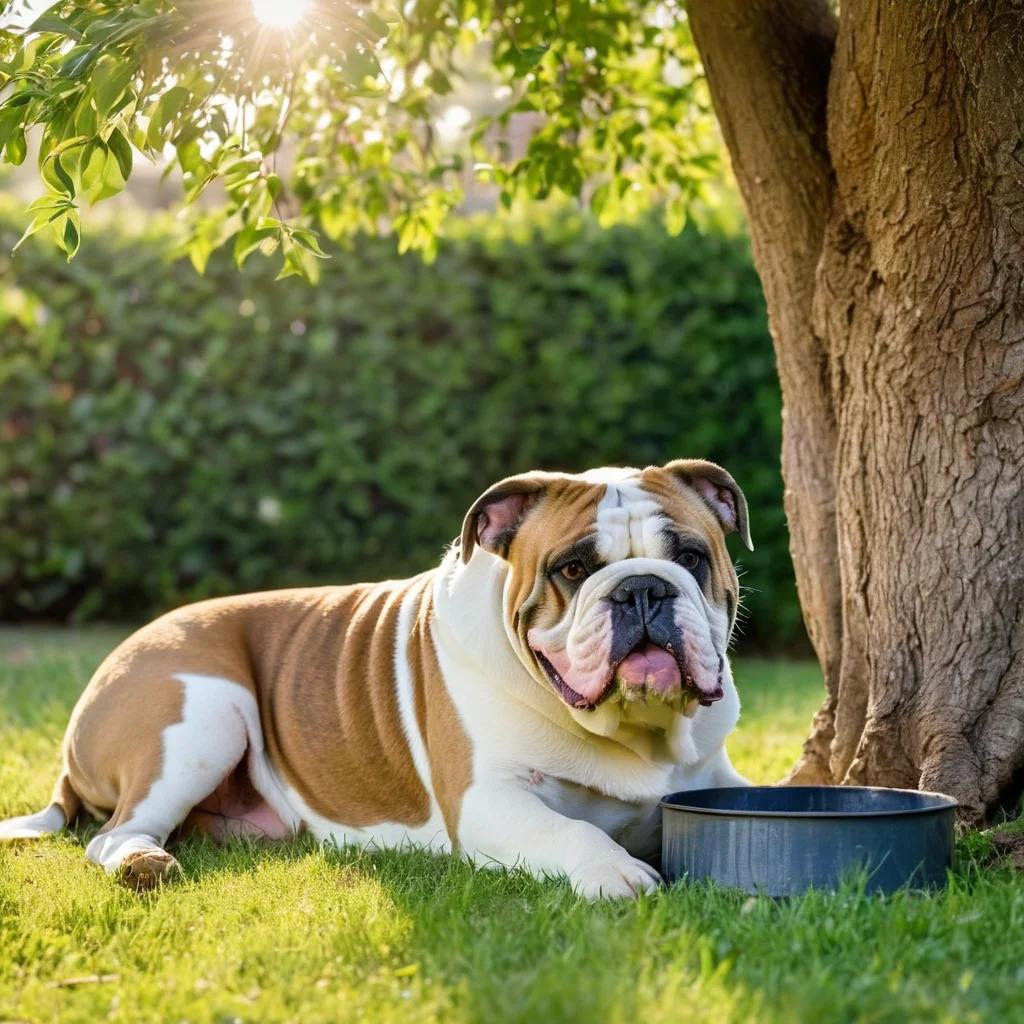

Brachycephalic (flat-faced) breeds: Bulldog, Pug, Boxer, Boston Terrier, Persian, Himalayan, Exotic Shorthair. Because of their anatomy, their airways are narrowed and their heat regulation is weak. Summer heat is a deadly risk for these breeds. Take care above 25°C, exercise hours to avoid, emergency signs and the vet protocol. In this article, we take a detailed look at the summer danger for brachycephalic breeds.
1. Brachycephalic Anatomy
- Short nose + narrow nasal passages.
- Long soft palate (blocks airflow).
- Narrow trachea.
- Tendency toward laryngeal collapse.
- Small nostrils (stenotic nares).
- Together = BOAS (Brachycephalic Obstructive Airway Syndrome).
- The pet already struggles to breathe, and summer makes it much worse.
2. High-Risk Breeds
- Dogs: English Bulldog, French Bulldog, Pug, Boston Terrier, Boxer, Cavalier King Charles, Shih Tzu, Pekingese, Lhasa Apso.
- Cats: Persian, Himalayan, Exotic Shorthair, British Shorthair (short-nosed).
- Extreme caution: English Bulldog + Pug (the most severe BOAS).
3. Effects of Summer Heat
- Pets cool down by panting (they don't sweat).
- In brachycephalic breeds, panting is not efficient.
- Body temperature rises fast.
- 25°C+ means uncontrolled risk.
- 30°C+ means acute danger.
- Heatstroke can cause death within hours.
- A typical breed recovers in 1 hour; a brachycephalic breed takes 24+ hours.
4. Early Signs
- Excessive panting (mouth open all the time).
- Loud snoring.
- Open mouth + blue/purple tongue.
- Difficulty swallowing.
- Exercise intolerance.
- Dazed + weak.
- Lying down + not getting up.
5. Severe Signs (EMERGENCY)
- Purplish/blue tongue and gums (cyanosis).
- Collapse + fainting.
- Heavy drooling + foam.
- Vomiting + diarrhea.
- Mental dullness setting in.
- Body temperature of 40.5°C+.
- = ON THE WAY TO THE VET, call ahead to brief them.
6. Exercise Hours
- AVOID: 10 a.m. to 6 p.m. (in the summer months).
- OK: Mornings 6-8, evenings 8-10.
- A 10 min + break + 10 min pattern.
- Grass/dirt instead of asphalt.
- Shaded routes.
- Bring water along.
- On a hot day, a "stay home" day is OK too.
7. Managing Home Temperature
- Air conditioning at 22-24°C is a MUST.
- No air conditioning? A fan + wet towel + a cool room.
- Keep the room your pet lives in cool all day.
- Windows closed (so hot outside air stays out).
- Curtains closed (sun heat).
- Water bowls in several spots.
- Leave the air conditioning on even when you aren't home.
8. Emergency Response
- Move your pet to a cool place right away.
- Cool the body: wet towels (NO ICE, it causes shock).
- Wet the paws, belly and neck.
- Point a fan or the air conditioner at them.
- Offer water (don't force it).
- Continue until body temperature drops to 39°C.
- Take them to the vet (organ damage is possible after heatstroke).
- Treatment: IV fluids, oxygen, medication.
9. Surgical Correction (BOAS)
- Consider preventive surgery (ideally between ages 1 and 3).
- Soft palate shortening.
- Nostril widening.
- Tracheal support.
- 50-80% improvement after surgery.
- Price (Türkiye, 2026)
- Choose a surgeon who specializes in brachycephalic cases.
In an emergency, don't lose time researching prices; get your animal to the veterinarian first. The fee depends on the city, whether it is a clinic or a hospital, after-hours timing, imaging or hospitalization, and the animal's weight and age. The provincial Chamber of Veterinarians (Veteriner Hekimleri Odası) publishes a yearly minimum fee schedule; the schedule is a floor, not the final bill. Ask the clinic for a written or verbal cost estimate.
10. The Responsibility of Ownership
- Getting a Bulldog or Pug = a commitment to summer care.
- An air-conditioned home + "stay home" instead of a summer vacation spot.
- Limited exercise = weight management is a must.
- A yearly BOAS assessment at the vet.
- Weighing the surgical option.
- Adopt thoughtfully: there are ethical concerns (extremely exaggerated breeds).
- Choose an ethical breeder who doesn't promote extreme individuals.
The summer danger for brachycephalic breeds comes down to a formula of air conditioning + controlled exercise + spotting early signs + considering surgery. Before getting a Bulldog or Pug, accept the summer responsibility. In the summer months, these breeds live a "stay home" lifestyle. Emergency signs = death within hours. In the DoldurKabı app, you can find a list of vets experienced with brachycephalic breeds on a map.









