


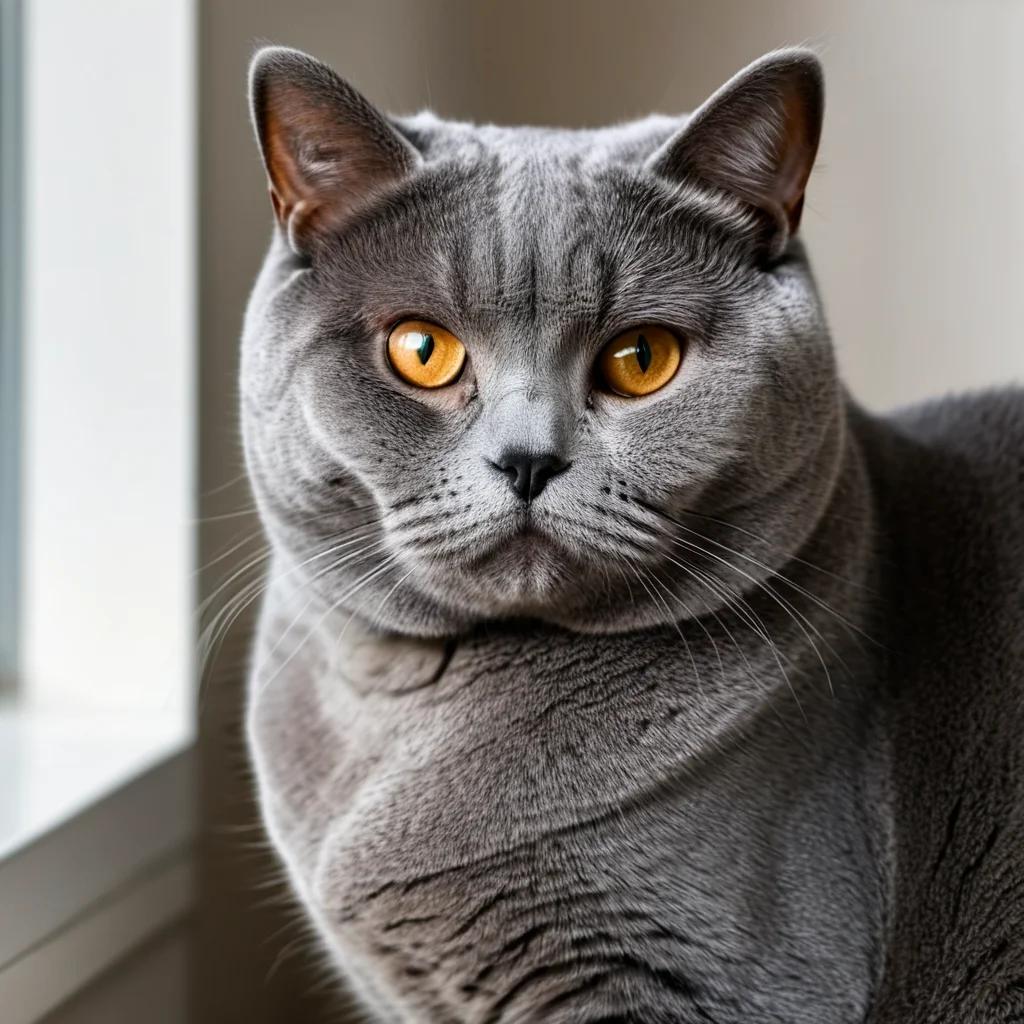

The British Shorthair, with its round face + thick double coat + calm temperament + sturdy build, is the "teddy bear" of the cat world. It originated in England and is a breed known since Roman times. Independent but affectionate, good with kids + other pets, and ideal for apartments. However, HCM heart disease + obesity + polycystic kidney disease are problems the breed is prone to. Getting a kitten from an ethical breeder + genetically tested parents is vital. In this post, we look at every detail of British Shorthair care.
1. British Shorthair Personality
- Calm + balanced: Low stress levels; rarely a lap cat.
- Independent but affectionate: Close, but not clingy.
- Social: Gets along with family + other pets.
- Quiet: Meows little.
- Low energy: Lots of sleep + calm play.
- Kid-friendly: A patient nature.
- Matures slowly: Not fully adult until 3-5 years old.
2. Physical Traits
- Weight: Males 6-9 kg, females 4-6 kg.
- Coat: Short + thick double coat with a "plush bear" feel.
- Color: Blue (most common), black, white, cream, chocolate, lilac, tabby, calico, color point.
- Lifespan: 14-20 years (among the longest-lived cat breeds).
3. Coat Care
- Brush 1-2 times a week (slicker brush).
- Daily brushing during seasonal changes (March + September).
- Baths are rare; cats clean themselves.
- Swallowing fur + hairballs: regular brushing matters.
4. Managing Obesity (Important)
British Shorthairs are prone to obesity:
- Slow metabolism + low activity + food motivation.
- Strict portion control.
- A combination of wet food + dry food.
- "Food always out" is OFF-LIMITS: measured portions.
- Encourage play + activity: interactive toys.
5. Breed-Specific Health
- HCM (Hypertrophic Cardiomyopathy): Thickening of the heart wall, deadly. Yearly echo screening from age 3.
- Polycystic Kidney Disease (PKD): Genetically tested parents are a must.
- Obesity: See above.
- Dental tartar: Regular dental care.
- Hemophilia B: In some individuals.
- Type B blood group: Be careful during kitten weaning (mother's blood type incompatibility).
6. Nutrition
- Kittens: kitten food for 4-6 months.
- Adults: 50-80 g/day dry + 1 can of wet food.
- Managing obesity: a "sterilized" formula (after spaying/neutering).
- Plenty of water: a fountain + several bowls.
7. Exercise + Play
- 20-30 min of interactive play a day.
- Feather wands + laser + puzzle feeders.
- A scratching post is a must.
- Cat shelves: vertical space.
- Adult BSHs have low activity levels: encouraging play is a must.
8. Training + Socialization
- Interaction with people + animals from kittenhood.
- Getting used to nail trimming: every 2-3 weeks.
- Litter box training: 1 cat + 1 litter box + 1 extra.
- Stress management: a calm environment is preferred.
9. Things to Consider Before Adopting
- Monthly costs: 1,300-2,300 Turkish lira.
- Ethical breeder: PKD + HCM tested parents.
- Apartment-friendly: No need for a large home.
- Be careful with kitten weaning: 12 weeks minimum, check for blood type incompatibility.
- A 14-20 year responsibility.
- Gets along in multi-cat homes, and also enjoys being alone.
10. Lifespan and Costs
- Lifespan: 14-20 years.
- Total lifetime cost: 250,000-500,000 Turkish lira.
The British Shorthair is a calm + lovable + long-lived family cat. HCM screening + PKD testing + obesity prevention + dental care are critical. Pay attention to kitten weaning + the blood type incompatibility detail. In the DoldurKabı app, you can find BSH adoption listings + vet clinics on a map.









