


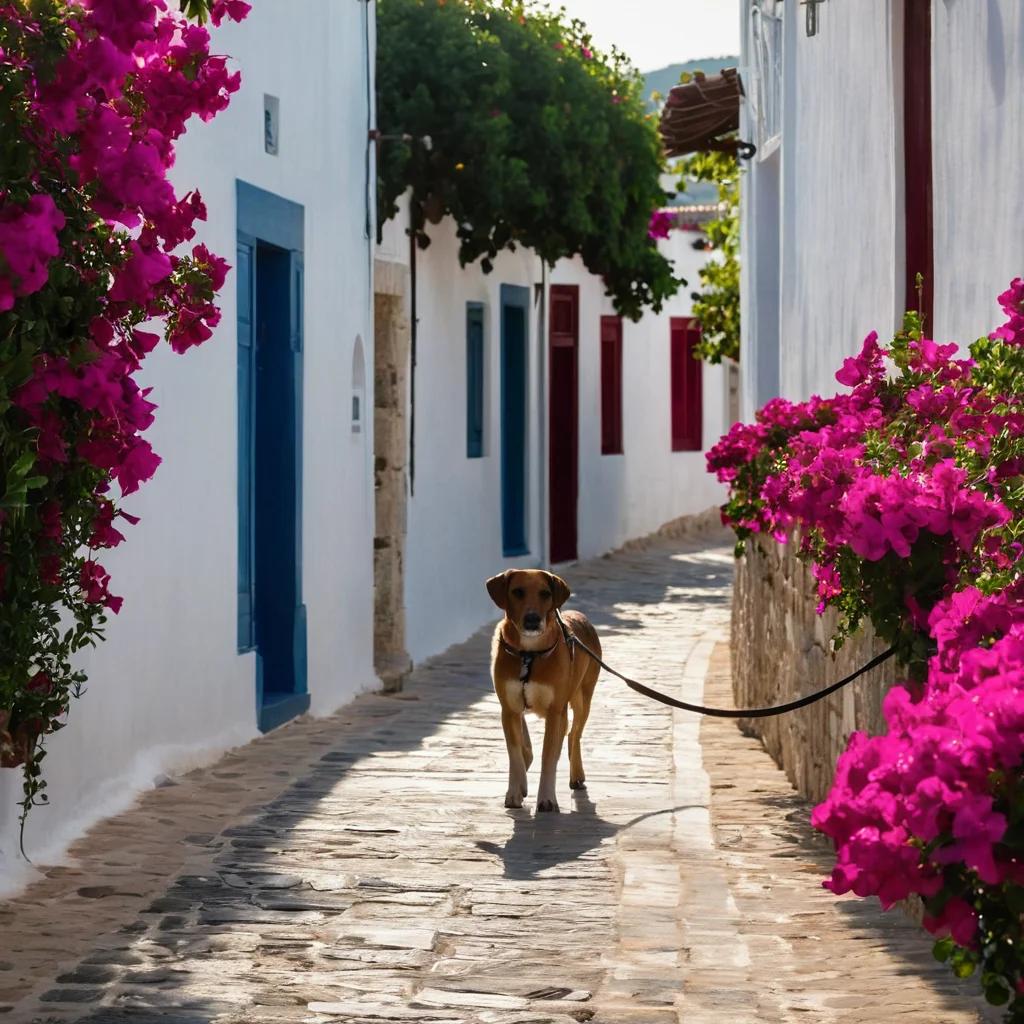

For a vacation with your dog, Çeşme is one of the relatively favorable spots on the Aegean coast. The peninsula's open position brings an almost constant wind, and that wind makes it noticeably easier for an animal to cool down compared with a sheltered cove at the same temperature. On the other hand, stone streets, the crowded season and the lack of shade bring their own problems. This guide looks at planning a pet vacation in Çeşme; it doesn't use any unverified business names, addresses, phone numbers or opening hours.
Is Every Dog Suited to This Trip?
Çeşme is a lively place during the season, and that doesn't suit everyone. For an animal that gets tense in new places, overreacts to unfamiliar sounds or becomes hard to manage in crowds, a busy weekend isn't a vacation but a long stretch of stress. When deciding, use how your dog reacts at home as your guide: what does it do with strangers, how does it react to sudden noise, can it sleep somewhere other than home?
Age and health are a separate matter. In senior animals, joint pain becomes more obvious on stone surfaces. In short-nosed breeds, heat and humidity together make breathing harder, and these groups have a higher risk of heatstroke. If there's a chronic condition, talking the plan over with the vet before you leave is easier than dealing with problems on the way back.
Getting There and the First Hours
Most people reach Çeşme by road, and traffic can stretch the drive in the summer months. Take a break every two hours, offer water during the break and go for a short potty walk. Don't give a big meal right before you set off. Even if you need to park and step away for a quick errand, don't leave the animal inside; a car parked in the shade reaches dangerous temperatures quickly, and leaving the window cracked doesn't change that.
When you arrive, make your first task walking around the place you're staying together. Getting to know the boundaries, where the water bowl is and the corner where it will sleep makes the first night noticeably calmer. Bringing a familiar blanket or bed from home does the same job.
The Wind Helps, the Ground Doesn't
Dogs cool down mainly through breathing, not by sweating. Airflow supports this process, which is why the same temperature becomes more manageable on a windy coast. Still, the wind doesn't cancel out the sun's effect on the ground.
Stone and concrete surfaces, common in central Çeşme and around Alaçatı, heat up seriously around midday. While the owner feels a cool breeze, the animal's paws are in contact with much hotter ground. The test is simple: put the back of your hand on the ground, and if you can't hold it there comfortably for five seconds, don't walk there. That's why early morning and late afternoon are the real times to be active.
What to Clarify When Asking About Lodging
Hearing that pets are accepted isn't enough; the details of the conditions shape the experience. Before booking, ask:
- Is there a weight or size limit? Most restrictions start here.
- Can the animal be left alone in the room? If not, plan your evenings around it.
- What are the rules for shared areas? The policy usually differs for the garden, terrace, pool area and dining area.
- Is there an extra cleaning fee? Knowing up front avoids arguments later.
- Is there direct access to a shaded outdoor area? It makes nighttime and morning potty trips easier.
In the stone buildings around Alaçatı, indoor spaces can stay cool all day, which is a plus for a vacation with a dog. On the other hand, shade isn't continuous on narrow streets, so you need to choose your walking route based on shade.
Beach and Water
Beach use along the peninsula isn't governed by a single rule. Municipal beaches, areas run by businesses and natural stretches of coast have different policies, and these can change during the season. Asking directly about that area's current policy before you go is easier than running into trouble at the entrance.
Two details are often overlooked when going into the water. The first is the tendency to drink salt water; keep fresh water visible and within reach. The second is moisture in the ears afterward; dry the ears and rinse the coat. On windy days, waves and currents can be stronger than expected, so even with a dog that loves to swim, keep water entry under control.
Sand is ground too, and it heats up at midday. If there's no shade on the beach, the animal shouldn't stay long; it needs to return to shade at short intervals.
Walks Around the Peninsula
Once you leave the center and crowded streets, there are open, breezy and relatively quiet routes along the peninsula. Early in the morning, these areas are noticeably more comfortable for walking a dog than the center. However, shade isn't continuous; on open land the sun hits directly, and if you don't factor in the distance back, the second half of the walk is much harder.
Choose the route based on your animal's daily habits. For a dog that walks half an hour a day at home, a sudden long, hilly trail on vacation isn't suitable. Carry water, take regular breaks and use any drop in your dog's pace as your guide. There's a tick risk in fields and grassy areas; when you get back, check behind the ears, the neck, the armpits and between the paw pads by hand.
Crowds, Noise and the Social Scene
During the season, the center and its surroundings get busy. For a dog that isn't social or gets tense in new places, crowds are the real challenge; they can wear it out more than the heat. Loud music, fireworks and sudden encounters on narrow streets increase the urge to bolt. Check the leash and its clasp before every outing, and make sure the ID tag is readable.
At places to eat and drink, the rules vary from business to business. Asking at the door is easier for both you and your pet than having to go in and come back out. Sit where you can step in if another animal or a child approaches the table; don't leave your pet in the walkway.
Signs of Heat Stress and Emergency Prep
Heatstroke is the most overlooked issue on vacation. Heavy panting that won't stop, excessive drooling, reluctance, unsteady walking and a tongue that turns darker are early warnings. Move the animal into the shade right away, cool the neck, armpits and groin with a wet cloth, don't cool it suddenly with ice water and don't force it to move. If the signs continue, see a veterinarian without delay.
Finish your prep before you leave: have the vaccination record with you, keep the microchip registration and contact number up to date, and make sure the ID tag is on. Find out ahead of time how to reach the nearest veterinarian once you arrive. When looking for a place open at night or on a public holiday, the on-duty schedule announced by the provincial Chamber of Veterinarians (Veteriner Hekimleri Odası) and information shared by the municipality can guide you; in every case, confirm by phone before heading out.
Checkup After You Get Home
Don't rush once you're back home. In good light, check the paw pads for cracks and burns, between the toes for embedded thorns, and the coat for ticks and skin redness. Moisture in the ear after the sea can set the stage for infection; if odor, scratching or head shaking continues, talk to the vet.
Some tiredness on the first day is expected. But ongoing loss of appetite, limping, vomiting, diarrhea or a change in breathing doesn't count as vacation fatigue. When you go to the vet, sharing where you stayed, what water your pet swam in and what surfaces it walked on makes the assessment easier.









