


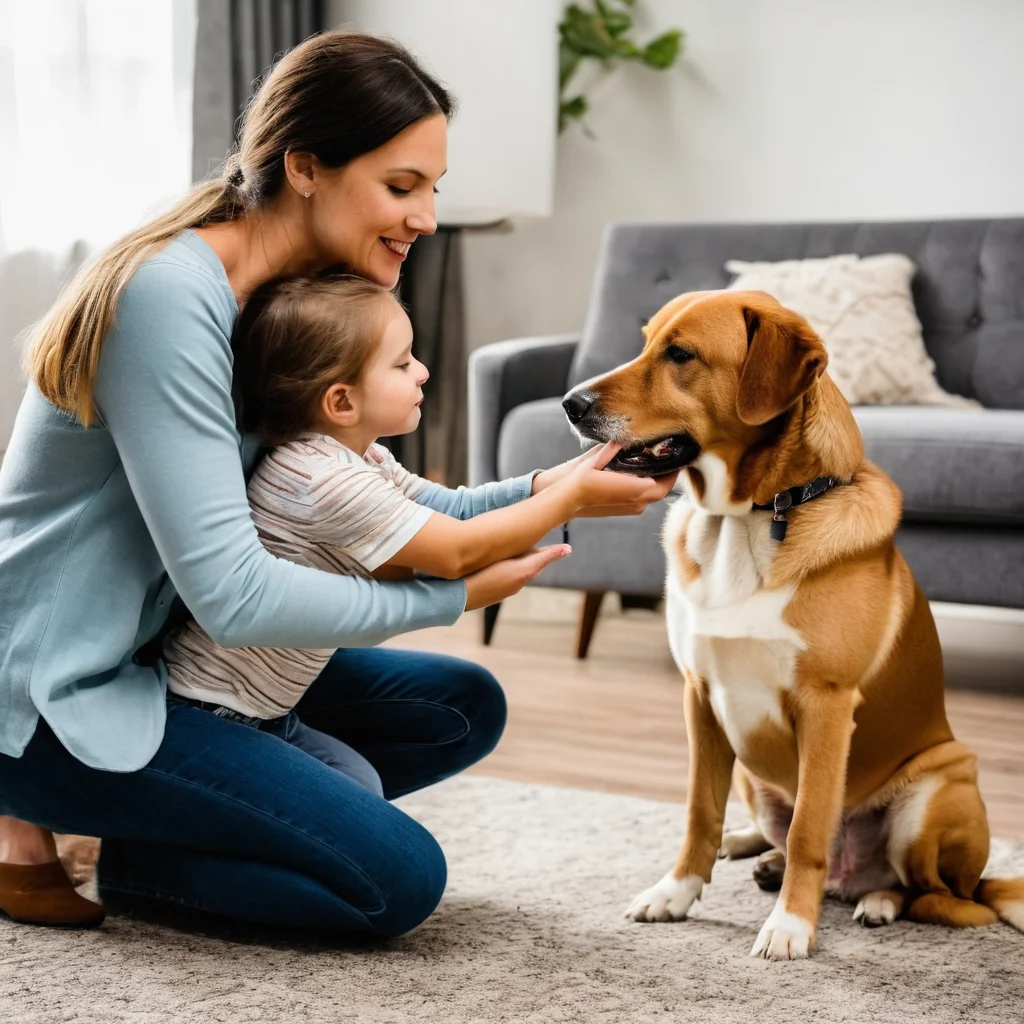

In Türkiye, thousands of children are bitten by pets every year, and in most cases the dog is their own or one they know. 85% of cases are preventable. The combination of adult supervision, respect training and learning to read stress signs in dogs and cats is vital. In this article, we look at child-pet safety, preventing aggression and emergency response, organized by age.
1. Statistics
- Children in the US suffer 4.5 million bites a year (CDC).
- In 85% of cases, the dog is familiar (their own dog, family, a neighbor).
- 50% of bites happen to children aged 5-9.
- The face and neck are the most common targets (because of height).
- Most cases happen when there is no adult supervision.
- With training and awareness, 80% are preventable.
2. Risks by Age Group
- Ages 0-2: The child doesn't know boundaries: pulling the dog's tail, grabbing its ears, jumping on it. The highest risk of being bitten.
- Ages 3-5: Empathy is developing but they are still careless. They can't read a pet's stress signs.
- Ages 6-9: Understanding has grown, but they cross boundaries when excited or playing.
- Ages 10+: You can give them responsibility, but training should continue.
3. Adult Supervision Around Pets
- Dog and a child aged 0-3: Never leave them alone together.
- Child aged 4-7: An adult within sight.
- Ages 8+: An adult in the same room.
- Keep children away from the dog's bed and food area.
- The "alone for 2 minutes = a lot can happen" principle.
4. Dog Stress and Early Warning Signs
- Yawning and lip licking: An "I'm uncomfortable" signal.
- Trying to get away: The dog tries to move away from the child.
- Freezing in place: A "danger signal."
- Teeth showing (whale eye): The whites of the eyes are visible.
- Growling: The final warning.
- Children can't read these signals, so an adult has to see them and step in.
5. Rules to Teach Your Child
- DON'T TOUCH a dog or cat while it's sleeping.
- Don't approach while it's eating.
- The dog's bed is "its own space," so respect it.
- Grabbing the tail or pulling the ears is NOT ALLOWED.
- The "frozen tree" pose: if a dog attacks, stand still.
- If a dog lies on its back, belly rubs = an "I'm submitting" message (scientifically known).
- Teach commands like "No," "Down" and "Leave it."
- If the animal is scared, tell an adult so it can "go to another room."
6. High-Risk Scenarios
- A child approaching a dog while it eats.
- A dog sleeping and a child jumping on it.
- A dog and an unfamiliar child = a guest and an unsafe introduction.
- A pet approaching while a child eats, and the child saying "go away."
- Kissing face to face (looking into the dog's eyes).
- An injured or sick dog: pain can trigger an attack.
- A child running and screaming can trigger predatory drive.
7. Special Notes on Cats and Children
- Cats bite less than dogs but cause more scratch wounds.
- Forcing a cat into a child's lap is NOT ALLOWED.
- The cat's hiding spot should be out of the child's reach.
- Scratch wounds can lead to infection (Cat Scratch Disease, Bartonella).
- Children should play with cats under adult supervision.
8. A New Pet in a Family with Children
- The whole family should be involved before adopting.
- Ask about the pet's history with children (shelter or breeder).
- When choosing an adult pet, a "child-friendly" track record is a must.
- Choosing a young pet allows early socialization.
- Intensive adult supervision for the first 30 days.
9. Emergency Response (If a Bite Happens)
- Move the child to a safe place and keep the pet separate.
- Wash the wound with plenty of water and soap for 5-10 minutes.
- Apply an antiseptic (Betadine, povidone-iodine).
- Severe wound: go to the hospital (stitches, antibiotics and a rabies assessment).
- Check the pet's rabies vaccination record and the child's tetanus status.
- Pet quarantine (legally required: 10 days of rabies observation).
- Consult a veterinary behaviorist about the cause and treatment.
10. Working with a Veterinary Behaviorist
- After a bite, always see a behaviorist.
- Analyzing the cause: fear, guarding, play, pain.
- A treatment plan.
- Family training.
- Managing the environment.
- If the pet is found not to be a good fit for the family, rehoming (to a home without children) can be considered.
- The child's safety comes first.
Preventing aggression between children and pets: with adult supervision, respect training and reading stress signs, 85% of cases can be prevented. Never blame the pet; it comes down to a lack of training. A happy life with children and pets growing up together is possible. In the DoldurKabı app, you can find family-friendly vet clinics on a map.









