


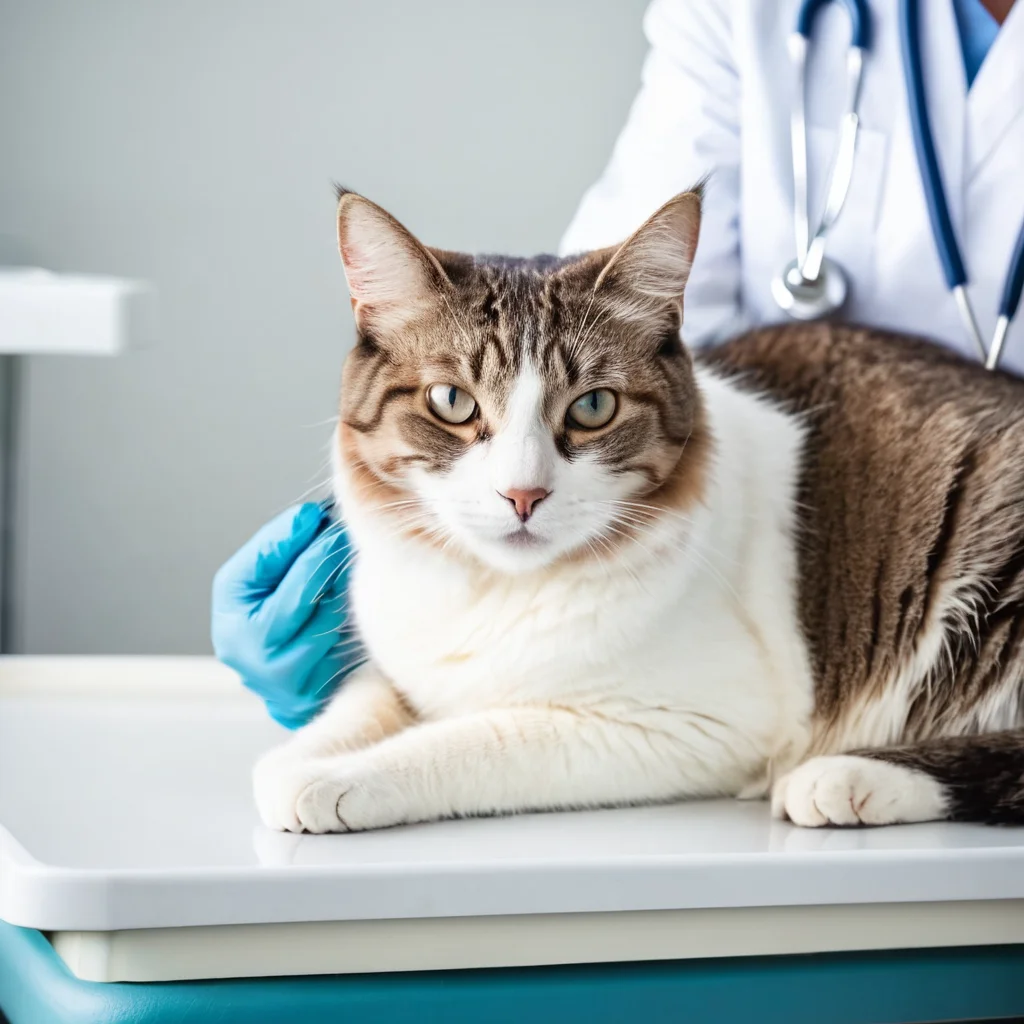

Spaying a female cat or dog: 99% prevention of mammary tumors (before the first heat) and prevention of uterine infection (pyometra). Ovariohysterectomy (ovaries + uterus) vs. ovariectomy alone. The procedure in detail, timing and aftercare. In this article, we take a detailed look at spaying female pets.
1. Why Spaying Matters
- Mammary tumors (99% malignant in dogs).
- Spaying before the first heat: 99% prevention.
- After the first heat: 92% prevention.
- After the second heat: 74%.
- Spaying after age 2.5 offers little benefit for mammary tumors.
- Prevents pyometra (deadly in older pets).
- Prevents ovarian and uterine cancer.
2. The Heat Cycle
- Dogs: Twice a year (once every 6 months), lasting 14-21 days.
- Cats: Every 2-3 weeks between March and September.
- Signs: swollen vulva, bloody discharge (dogs), yowling (cats).
- False pregnancy (pseudopregnancy) is common in dogs.
- An ownerless female cat produces 12+ kittens a year.
- Spaying = the cycle ends completely.
3. Surgical Methods
- Ovariohysterectomy (OVH): Removes the ovaries + uterus. The standard in Türkiye.
- Ovariectomy (OE): Removes only the ovaries. Common in Europe. Same hormonal result.
- Laparoscopic OE: Minimally invasive ovariectomy.
- OVH advantage: the uterus is gone entirely (prevents future pyometra).
- OE advantage: less invasive, faster recovery.
4. Recommended Age (Females)
- Small dogs: 5-9 months (before the first heat).
- Medium dogs: 6-12 months.
- Large dogs: 12-18 months (after the first heat is acceptable).
- Giant dogs: 18-24 months.
- Cats: 4-6 months (first heat between 4 and 9 months).
- Spaying during pregnancy is technically possible but controversial.
5. Spaying During Heat
- Generally not recommended (increased blood flow, swelling).
- Higher risk of complications.
- The surgery takes longer.
- 4-6 weeks after the heat ends is ideal.
- Done in emergencies (pyometra).
- The vet decides.
6. The Surgery in Detail
- General anesthesia.
- Blood test beforehand (older pets + those at risk).
- A 4-6 cm incision in the middle + lower abdomen (traditional).
- Laparoscopy uses 3 small incisions.
- Ovaries + uterus are removed.
- Blood vessels are tied off (ligation).
- The abdominal wound is stitched (inner + outer layers).
- Takes 30-60 minutes (depending on size + technique).
7. Aftercare
- Goes home the same day.
- Keep your pet in a calm place for 24 hours.
- Pain relief (NSAID + tramadol).
- Antibiotics for 5-7 days.
- Elizabethan collar for 10-14 days.
- Keep the wound dry (NO baths).
- Restricted activity (NO running or jumping).
- Stitches come out after 10-14 days.
- Vet checkup on day 7.
8. Complications (Rare)
- Internal bleeding (0.5%).
- Wound infection (2-5%).
- Wound reopening.
- Urinary incontinence (later on, 5-10% of female dogs).
- Treatment for hormone deficiency (if needed).
- Reaction to anesthesia (0.05%).
- Choosing the vet matters (experience).
9. Urinary Incontinence
- 5-10% of female dogs after spaying.
- Caused by a drop in hormones (estrogen).
- Usually appears between ages 5 and 10.
- Dripping during sleep.
- Treatment: phenylpropanolamine (PPA) daily.
- Or estrogen supplementation.
- 80-90% success.
- Early spaying increases the risk (according to some research).
10. Cost (Türkiye, 2026)
- Female cat: Fees vary by clinic.
- Small female dog: 2,500-5,000 Turkish lira.
- Medium female dog: 3,500-7,000 Turkish lira.
- Large female dog: 5,000-10,000 Turkish lira.
- Giant female dog: 7,000-15,000 Turkish lira.
- Laparoscopy: 2-4 times more expensive.
- Free or reduced-cost through municipalities + nonprofits.
- University hospitals offer affordable prices.
Spaying female pets comes down to this formula: ovariohysterectomy as the standard + ideally before the first heat + mammary tumor prevention. It extends your pet's life and protects its health. Complications are rare and treatable. Watch for urinary incontinence as a late complication. An informed owner makes an individual plan with the vet. In the DoldurKabı app, you can find a list of vets experienced in spaying and neutering on a map.









