


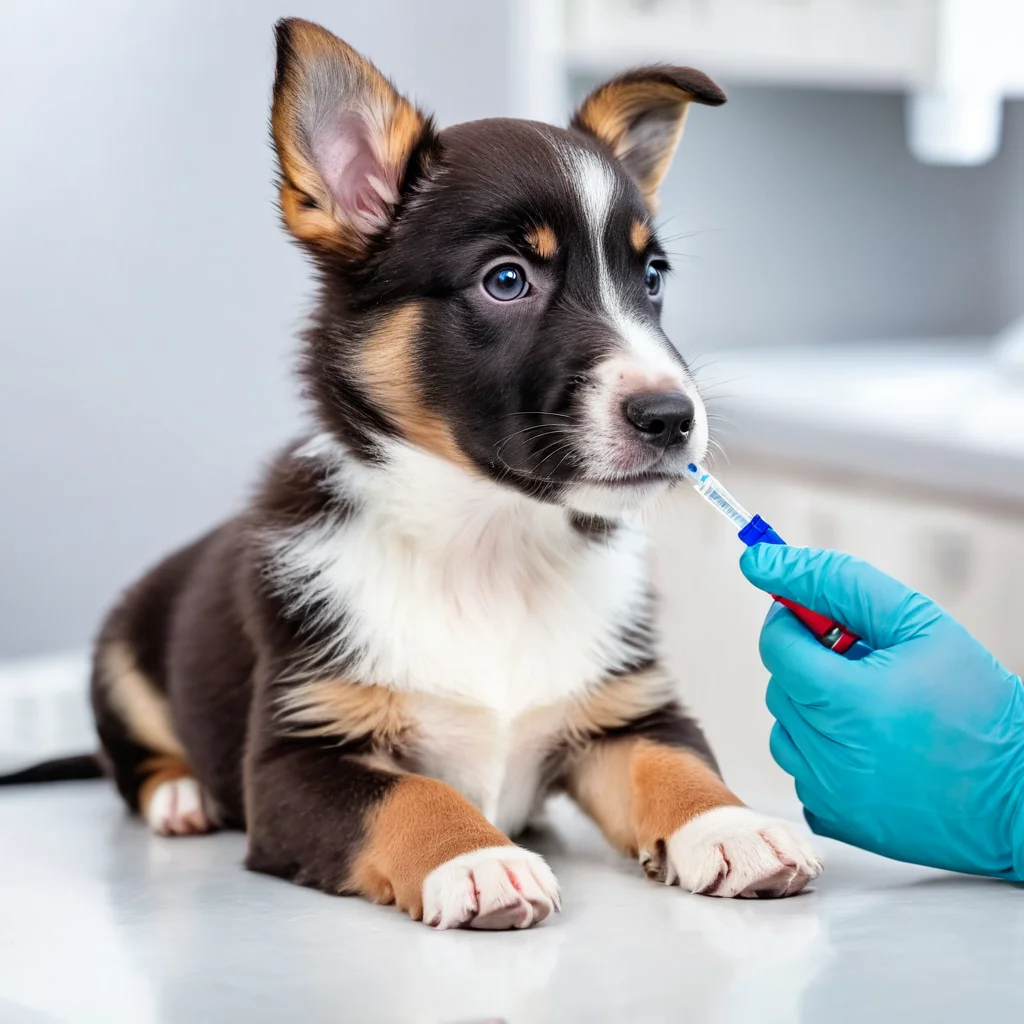

Distemper (Gencit, Canine Distemper Virus) is a dangerous, highly contagious viral disease in dogs. Widely known in Türkiye as "gencit," this disease is deadly in puppies aged 4-6 months and in unvaccinated adults. Because it affects the lungs, the digestive system and the nervous system, it causes cruel symptoms such as "hard pad disease" and an abnormal, jerky gait. Treatment is only supportive, and the strongest defense is vaccination. In this article, we take a detailed look at every aspect of distemper.
1. What Is Canine Distemper Virus?
- A morbillivirus (from the measles family).
- An RNA virus that is more fragile than parvo; it survives only briefly in the environment.
- Death rate of 50-80% (in puppies).
- Permanent neurological damage is common in survivors.
2. How It Spreads
- Aerosols (coughing, sneezing), through the respiratory tract.
- Nasal and eye discharge.
- Close dog-to-dog contact.
- The environment can be disinfected; it doesn't persist the way parvo does.
3. Stages of Symptoms
Phase 1 (Lungs and GI, days 3-7):
- High fever of 40°C+.
- Nasal and eye discharge (green/yellow).
- Coughing.
- Vomiting and diarrhea.
- Loss of appetite.
Phase 2 (Neurological, days 14-21+):
- Seizures.
- "Chewing gum fits": jaw tremors.
- Paralysis and paresis (especially in the hind legs).
- Behavior changes.
- Head tilt and loss of balance.
Phase 3 (Skin, day 30+):
- "Hard pad disease": the paw pads and nose become excessively thick.
- Dental "enamel hypoplasia": defective tooth enamel (lifelong).
4. Diagnosis
- SNAP test (eye/nasal discharge).
- PCR (blood, urine, feces).
- Clinical findings and vaccination history.
- Cerebrospinal fluid analysis (in neurological cases).
5. Treatment (Supportive)
There is no specific antiviral for distemper. Treatment is supportive:
- Isolation.
- IV fluids and electrolytes.
- Antibiotics (for secondary bacterial infection).
- Anti-emetics.
- Anticonvulsants (phenobarbital for seizures).
- Nutritional support.
- Pain management.
Treatment lasts 2-4 weeks. The cost is 10,000-40,000 Turkish lira.
6. Prognosis
- Early intervention and good supportive care: 50% survival.
- Neurological involvement: 20-30% survival.
- Permanent aftereffects are common in survivors (tremors, behavior changes, enamel defects).
7. Vaccination Schedule
The distemper vaccine is the foundation of the puppy vaccination schedule (combined DHPP):
- 6 weeks: first dose.
- 9 weeks: second.
- 12 weeks: third.
- 16 weeks: final.
- Booster 1 year later.
- Then every 3 years (or a titer test).
8. Age and Breed Susceptibility
- Puppies aged 4-6 months are at the highest risk.
- Unvaccinated adult dogs are also at risk.
- Stress, poor nutrition and other infections predispose dogs to it.
- Few breed-specific differences; all dogs are at risk.
9. Impact on Wildlife
Distemper doesn't only affect pet dogs:
- Wild dogs, wolves and foxes.
- Seals, mink and pandas can also be affected.
- Don't take your dog where it could come into contact with wild animals.
10. Emergency Action
- High fever, nasal discharge and coughing in an unvaccinated puppy → see a vet IMMEDIATELY.
- Isolate the dog.
- SNAP/PCR test.
- Start supportive treatment.
- Keep other dogs away and disinfect.
- Review your vaccination routine.
Distemper (gencit) is a dangerous virus that vaccination prevents 99% of the time, but it is hard to treat and leaves permanent damage in survivors. A consistent DHPP vaccination routine, early intervention and supportive treatment save lives. In the DoldurKabı app, you can find vet clinics experienced with distemper on a map.









