


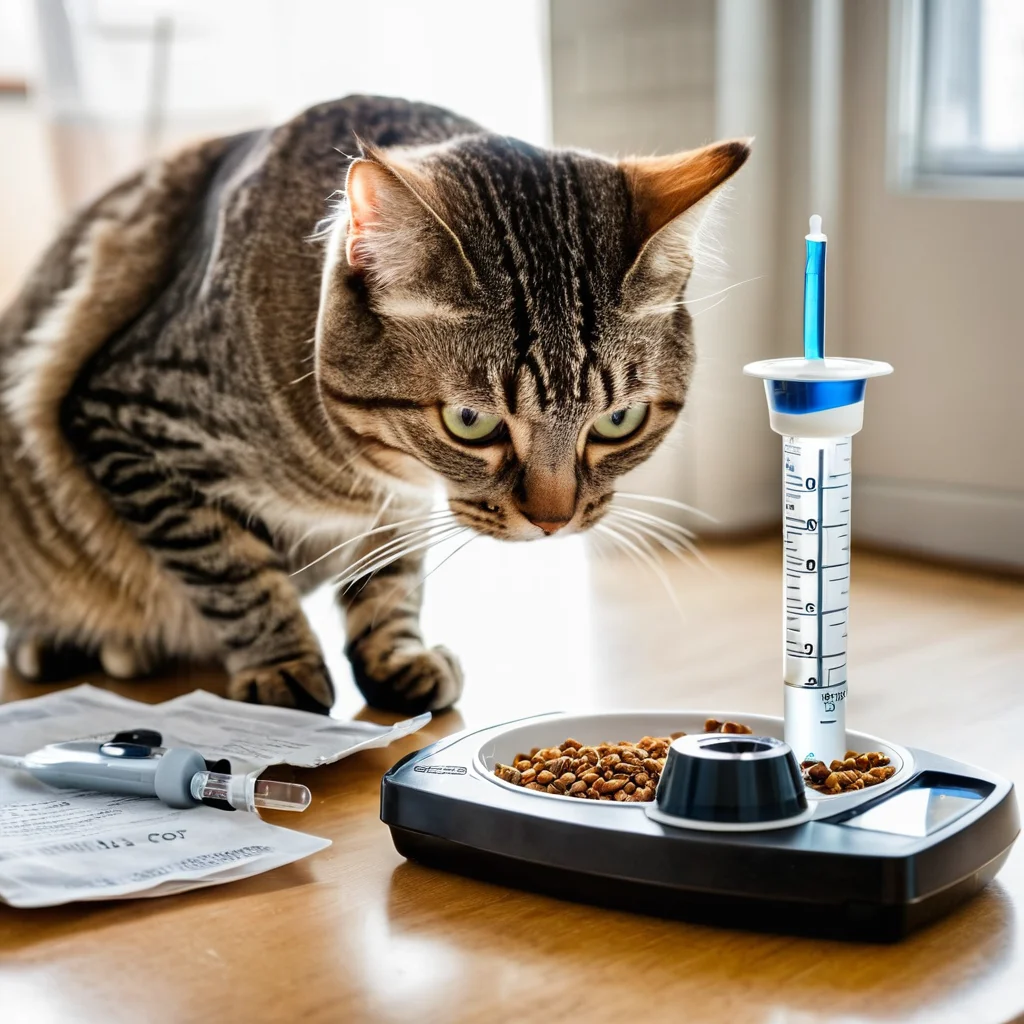

Diabetic pet food: for dogs and cats with diabetes, managing nutrition is just as important as insulin treatment. The formula of steady calories, few simple carbohydrates, high fiber and fixed meal times stabilizes blood sugar. Diabetes is especially common in cats, with obesity and an indoor lifestyle as triggers. In this article, we look at the details of diabetic food and how to coordinate it with insulin.
1. Types of Diabetes
- Type 1 (insulin-dependent), 95% of dogs:
- The pancreas doesn't produce insulin.
- Lifelong injections.
- Type 2 (insulin resistance), 50-70% of cats:
- The cells don't respond to insulin.
- Sometimes remission is possible with diet and weight loss.
2. Nutrition Strategy (Dog vs Cat)
Diabetic food for dogs:
- High fiber, moderate carbohydrates.
- Soluble fiber (stabilizes blood sugar).
- Steady calories and fixed meals.
- Meal 30-60 minutes after insulin.
Diabetic food for cats:
- Low carbohydrate + high protein (cats are obligate carnivores, the diet of their ancestors).
- Wet food is preferred (low carb).
- Under 10% carbohydrates is ideal.
- The high-fiber approach is more limited in cats.
3. Brand Suggestions (Diabetic)
- Royal Canin Diabetic: Dog and cat versions.
- Hill's w/d (Dog): High fiber, multiple benefits.
- Hill's m/d (Cat): Low carb + high protein.
- Purina DM (Diabetes Management): Dog and cat.
- Eukanuba Diabetic.
- Price: 500-800 Turkish lira/kg.
4. Meal Time Discipline
Fixed times for blood sugar control:
- Dogs: 1 meal every 12 hours (morning and evening).
- Cats: 1 meal every 8-12 hours (flexible).
- Insulin injection right before or after the meal.
- The same amount and the same calories every time.
- "Free snacking" is NOT allowed, because blood sugar fluctuates.
5. Glucose Monitoring
- A home glucometer (Alphatrak, Freestyle): a drop of blood from the ear or paw.
- Waiting period plus measuring 2-4 times a day (first weeks).
- After stabilizing, 2-3 times a week.
- The vet adjusts the insulin dose.
- Signs of hypoglycemia (low sugar): trembling, lethargy, coma. Put honey/sugar on the gums.
6. Weight Management
- Diabetes and obesity are a bad combination.
- Slow weight loss (at most 1-2% a week in cats).
- Rapid weight loss triggers hepatic lipidosis in cats, which can be fatal.
- Steady calories and measured portions.
7. Chances of Remission in Feline Diabetes
30-50% of cats go into remission:
- The combination of early diagnosis, low-carb food and weight loss.
- After 3-6 months of treatment, some cats manage without insulin.
- The vet lowers the insulin dose gradually.
- Food discipline must continue during remission.
8. Home-Cooked Diabetic Diet
Under the supervision of a veterinary nutritionist:
- Dog: Chicken breast + pumpkin + oats + omega-3.
- Cat: Chicken breast + salmon + minimal carbs + taurine supplement.
- A vitamin/mineral mix is a must.
- Not practical for most owners; commercial diabetic food is easier.
9. Lifetime Cost
- Monthly insulin
- Diabetic food
- Glucometer + test strips
- Vet checkups (every 3 months)
- Total: monthly
- An advantage if your insurance covers diabetes.
The fee depends on the city, whether it is a clinic or a hospital, after-hours visits, imaging/hospitalization and the animal's weight and age. The provincial Chamber of Veterinarians (Veteriner Hekimleri Odası) publishes a yearly minimum fee schedule; that schedule is a floor, not the final bill. Ask the clinic for a written or verbal cost estimate.
10. Preventing Diabetes
- Weight control: obesity is the main risk factor.
- Regular exercise.
- Healthy food.
- Yearly blood tests (especially at 7+ years).
- Cats: keep them active indoors and use interactive feeding.
- Avoid long-term corticosteroid use.
Diabetic food is an essential complement to insulin treatment in dogs and cats. Discipline around calories, timing and portions stabilizes blood sugar. Remission in cats is encouraging: 30-50% success with low-carb food and weight loss. Follow-up with veterinary endocrinology and home glucose monitoring are critical. In the DoldurKabı app, you can find vet clinics experienced with diabetes on the map.









