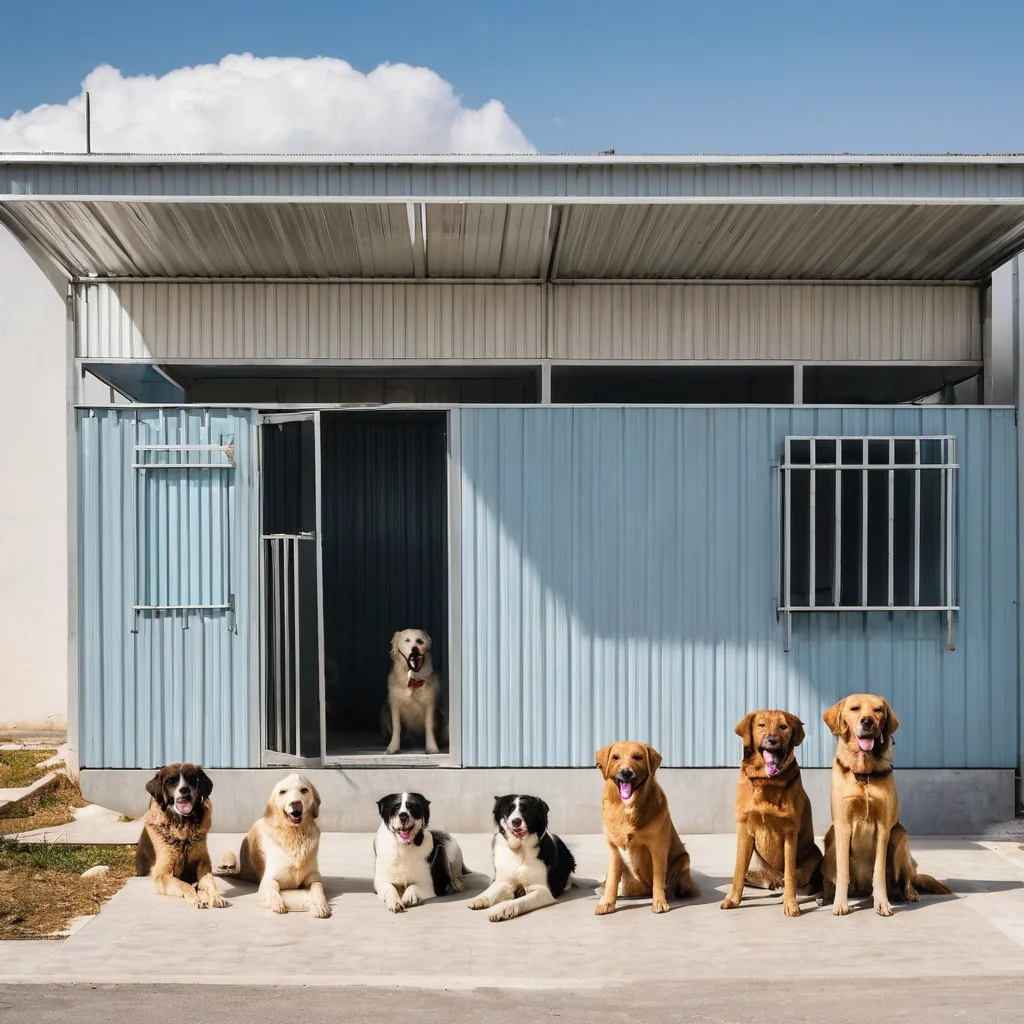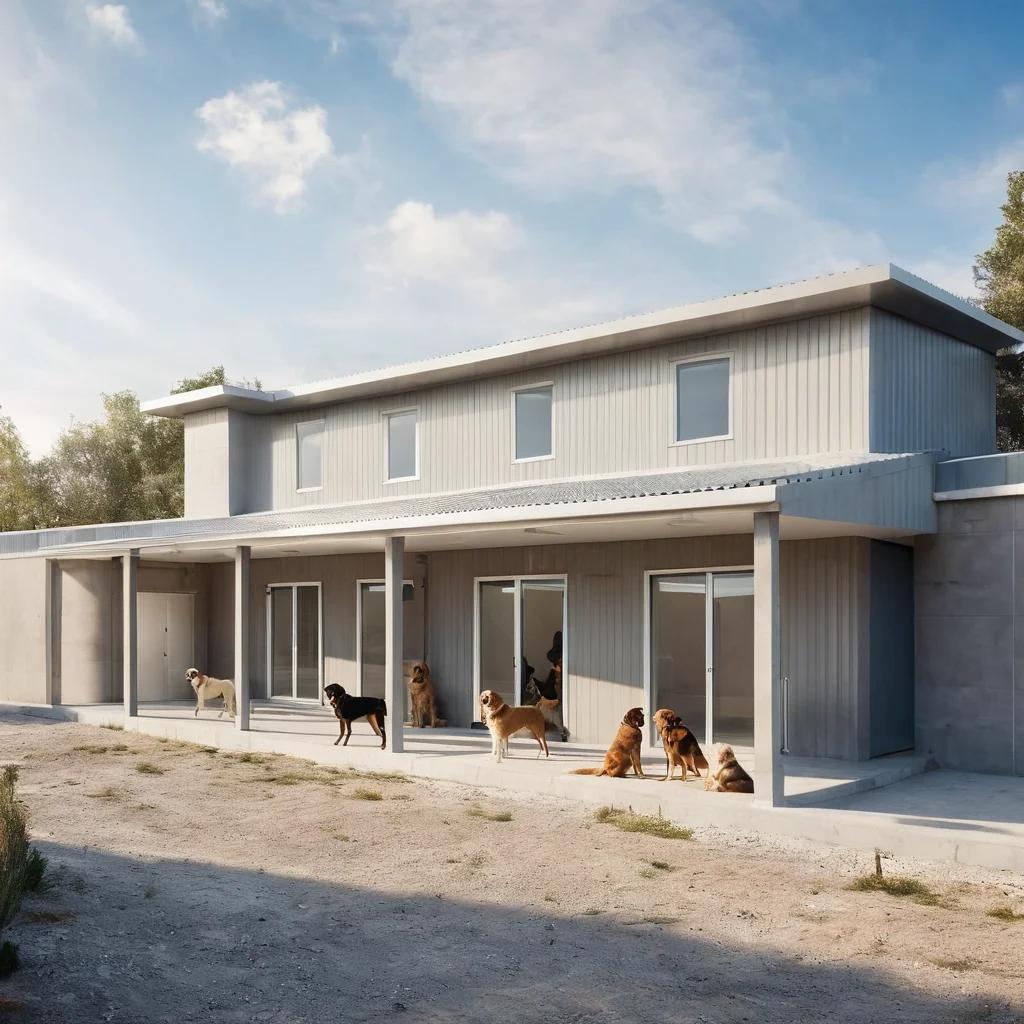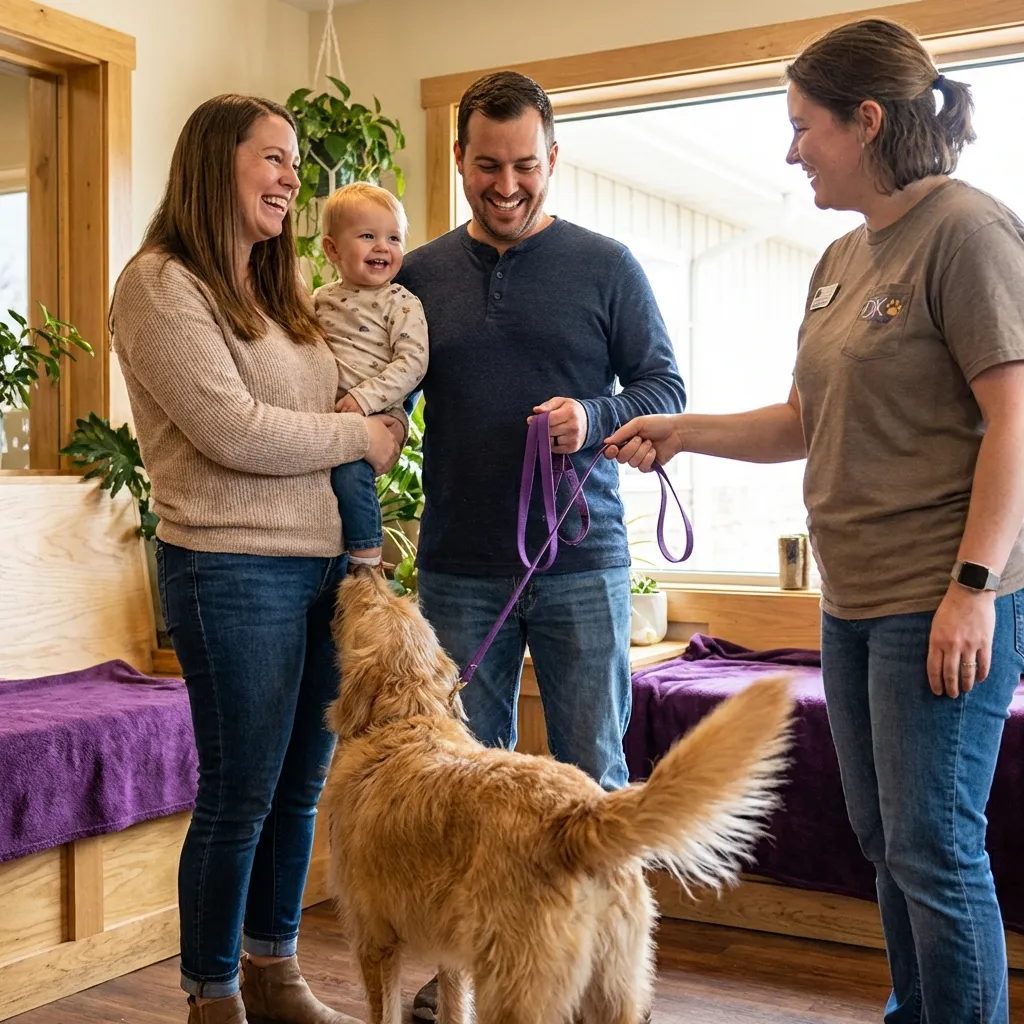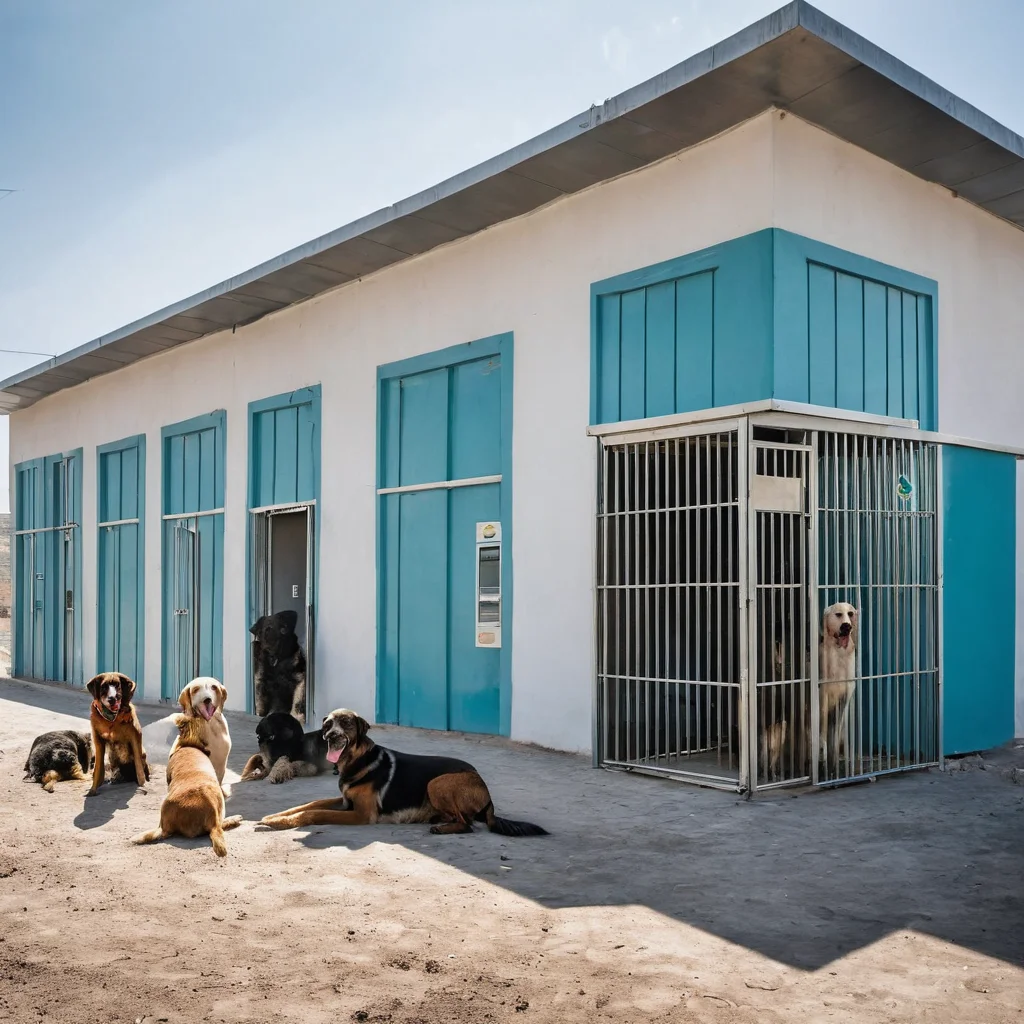

Diyarbakır, the historic capital of Southeastern Anatolia, has seen its municipal shelter system grow quickly in recent years. The Diyarbakır Metropolitan Municipality (Diyarbakır Büyükşehir Belediyesi, DBB) and the district municipalities (Bağlar, Yenişehir, Kayapınar, Sur) run care centers for stray animals. The adoption process is free, simple and supportive. Adopting from a shelter instead of buying from a pet shop saves an animal and keeps one more animal from ending up on the street. In this article, we walk through the adoption process at municipal shelters in Diyarbakır, the application details and the settling-in plan after adoption.
1. How Municipal Shelters Are Organized in Diyarbakır
- Diyarbakır Metropolitan Municipality Temporary Care Home: The main facility near the city center, with room for hundreds of animals. Air conditioning or cooling is a must in the summer months.
- Bağlar Municipality: The most populous district, with a stray animal care center and adoption services.
- Yenişehir Municipality: A modern central district with good care conditions.
- Kayapınar Municipality: A newly developing district with strong ties to Dicle University.
- Sur Municipality: The historic center, with a care unit for the animals of the historic neighborhoods inside the UNESCO site.
- Rural districts (Bismil, Silvan, Ergani, Çınar): Local care units with limited capacity.
2. Adopting from a Municipality vs. an Association
- Municipal shelter: The official system, free, with a wide range of animals. Air conditioning infrastructure supports care in the hot climate.
- Association shelters: Diyarbakır Hayvan Severler Derneği, Pati Diyarbakır and Sur Hayvansevenler are local animal welfare groups with smaller facilities and more individual attention per animal.
- University community: Students at the Dicle University Faculty of Veterinary Medicine are active in stray animal care and adoption. Medical support is strong.
- Adoption through Suriçi shopkeepers: In the neighborhoods inside the historic Sur walls, informal adoption is common for the "courtyard animals of the old inns (han)" that locals have cared for over many years.
3. Adoption Steps
- Online research: Available animals on municipal websites and on DoldurKabı.
- A first phone call: Information about the animal, availability and a visit appointment.
- Shelter visit: Meet the animal face to face. In summer, early hours (8 to 11 a.m.) are recommended.
- Interview and application form: Your lifestyle, home situation (do you have air conditioning?) and experience with pets.
- Approval: The municipality or association assesses how well the animal fits with you.
- Adoption agreement: Your responsibilities and the conditions for returning the animal.
- Bringing the animal home: The cool of the evening is the better time.
- Follow-up: A call or home visit after 1 to 3 months.
4. What to Think About Before Adopting
- Does my lifestyle fit? (work hours, apartment size, travel)
- Do I have air conditioning? In Diyarbakır summers, air conditioning is essential for cats and dogs.
- Monthly costs? (1,000 to 3,300 Turkish lira, higher for a dog)
- Family support?
- A 10 to 15 year bond?
- Access to a vet? (the Dicle University Faculty of Veterinary Medicine is an advantage)
- Rental agreement? (building management approval)
- Can you cover the summer electricity bill?
- An indoor activity plan for dust storm days?
5. Dog vs. Cat in Diyarbakır
Diyarbakır's climate is tough for both, but in different ways:
- Cat: Indoor apartment life, comfortable with air conditioning. If you adopt a street cat from Suriçi, a parasite program is a must.
- Dog: Walks need strict timing (5:30 a.m. and 9:30 p.m.). Walks along the city walls and the Tigris (Dicle) are a historic bonus.
- Mixed breed (street dog): Adapted to the local climate, a strong choice in Diyarbakır.
6. Diyarbakır-Specific: The First Week After Adoption
- The first night: Moving from a stressful shelter to a home in a hot climate. Set the air conditioning to 26°C, provide a quiet corner and plenty of water.
- Vet visit (within 3-7 days): A general health screening, any extra vaccines and a heartworm test (critical for dogs).
- Parasite program: Fleas, ticks, internal parasites and heartworm. Diyarbakır's hot climate calls for protection on all 4 fronts.
- Microchip and DoldurKabı registration: Quick identification if your pet gets lost in this large historic city.
- Food transition: Switch gradually from shelter food to home food over 7-10 days.
7. Adopting in Suriçi: A Practice Unique to Diyarbakır
In Diyarbakır, adopting a neighborhood cat or dog from Suriçi is a historic tradition. The inn courtyards, narrow streets and shopfronts have been animal-friendly for hundreds of years. The right approach:
- Talk to the shopkeepers: Ask about the animal's history (how many years it has been fed there, its health).
- First vet visit: A full health screening for the effects of street life and life in Suriçi.
- Adjusting to the hot climate: Moving into an air-conditioned home can be stressful on the first day, so cool things down gradually.
- Quarantine: 2 weeks of observation at home, kept apart from other pets.
- Microchip: A legal requirement.
- The Suriçi character: Animals from the historic neighborhoods are free spirits. Adjusting to indoor life can take 2-3 months, so be patient.
8. Financial and Other Donations
- Money: The official bank account of the municipality or association.
- Food donations: Dry food and wet food, in types that do not spoil in summer heat.
- Blankets and towels: Towels (to keep animals dry) are critical in the summer months.
- Air conditioning and cooling equipment: The MOST CRITICAL need for Diyarbakır shelters in the summer months.
- Veterinary volunteering: If you are a veterinary student, you can volunteer at Dicle University.
- Sharing on social media: Sharing municipal or association adoption listings is free help.
9. Long-Term Care After Adopting in Diyarbakır
- Yearly vaccine boosters: Combination and rabies vaccines, following your vet's plan.
- Monthly parasite protection: All 12 months (Diyarbakır's climate gives no seasonal break).
- Yearly check-up: Blood, urine and teeth. Dicle University is a good option.
- Spaying/neutering: Between 6 and 12 months, for population control and health.
- Summer hygiene: Coat care and cooling supplies.
- After a dust storm: Respiratory care, with a vet check if needed.
10. Frequently Asked Questions
Did the animals in Diyarbakır shelters grow up on the street? Most did, and some are pets that lost their owners. For animals from Suriçi, ask the shelter about their temperament, since characters from the historic neighborhoods can be free spirits.
Is there a fee to adopt? No, adopting from a municipal shelter is completely free. Most animals already have their vaccines and microchip.
What ages are available? Young, adult and senior animals, from every age group.
What if it doesn't work out after I adopt? Municipal shelters accept returns, but getting help from a vet and a behavior specialist is recommended first.
What should I watch for when adopting an animal from historic Suriçi? Animals from the historic neighborhoods may be used to a free life. Patient, step-by-step adjustment to indoor living is essential.
Adopting from a municipal shelter in Diyarbakır is an animal-friendly choice that fits the culture of this historic city. With the extra care the hot climate calls for, support from the Dicle University Faculty of Veterinary Medicine and digital tracking on DoldurKabı, ongoing care is manageable. In the DoldurKabı app, you can find adoption listings, vet clinics and neighborhood care resources in Diyarbakır.
Adoption and lost pet listings in Diyarbakır
Besides the municipal shelters, you can also browse the latest individual listings on DoldurKabı: