


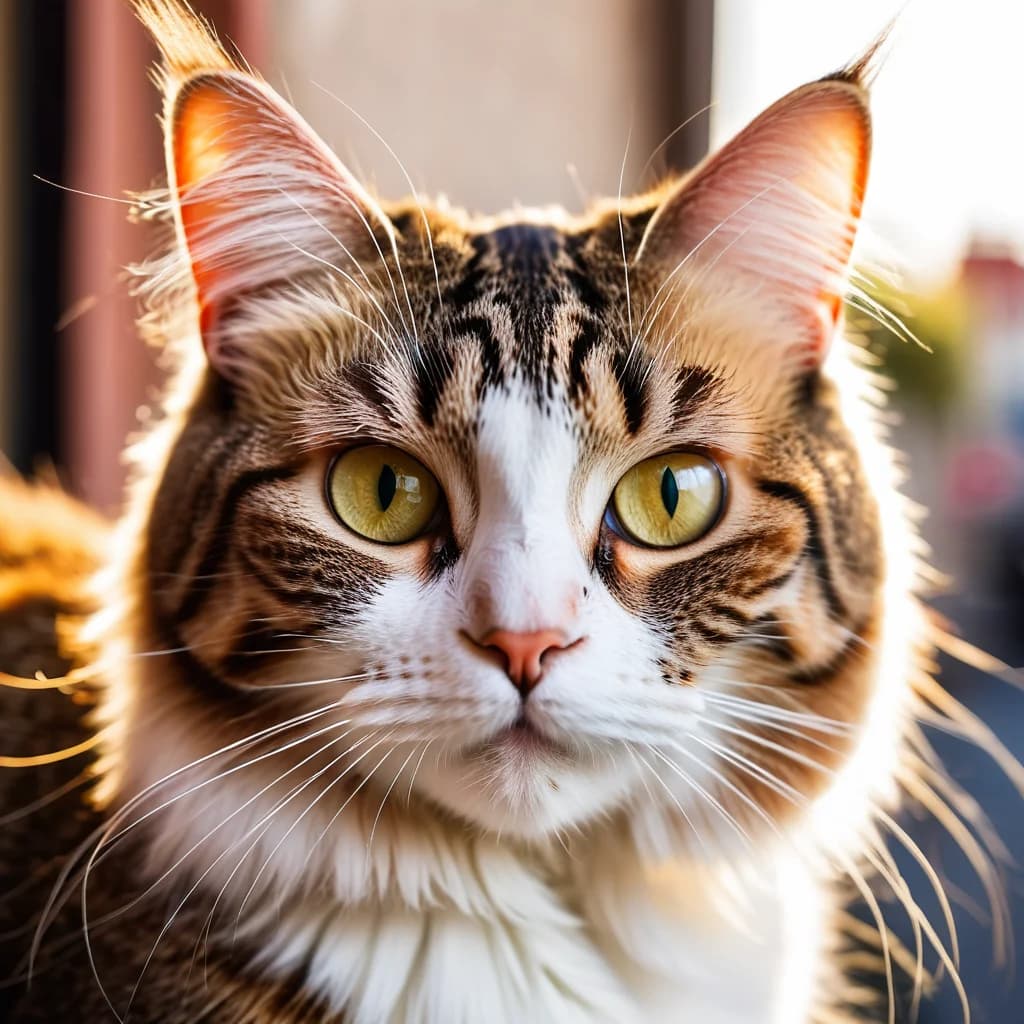

Diyarbakır is the historic capital of Southeastern Anatolia, a city of 1.8+ million people known for its UNESCO-listed City Walls and the Tigris River (Dicle). Cat ownership in Diyarbakır rests on a centuries-old culture of neighborhood cats along the Walls, and in modern districts like Yenişehir and Kayapınar, apartment cat life has spread quickly over the last 10 years. The 40-45°C heat of the summer months is the hardest part of cat care. In this post, we look at the climate challenges of owning a cat in Diyarbakır, the differences between neighborhoods, the vet network, a list of costs and the ways to adopt.
1. Cat Culture in Diyarbakır
Diyarbakır's cat culture is known for its historical depth. In the narrow streets inside the Walls, in front of shops and in the courtyards of old inns, neighborhood cats have been fed for centuries. Diyarbakır's shopkeepers are known for their love of cats. Modern apartment cat life has spread in Yenişehir and Kayapınar. The Dicle University Faculty of Veterinary Medicine gives Diyarbakır an advantage when it comes to cat health. Diyarbakır Metropolitan Municipality is active with spay/neuter campaigns.
2. Apartment Living Across Diyarbakır
- Usually not a problem: Diyarbakır's apartment culture is flexible, and neighbors are very supportive about cats.
- Apartments are usually large: 2+1 and 3+1 layouts are common, and the new housing complexes in Kayapınar are spacious.
- Balcony use: With temperatures around 45°C in summer, balconies are dangerous. Use netting and shade, and make sure the cat can always get back into the air-conditioned room.
- Air conditioning is a must: In summer, a home without AC can be deadly for a cat. Checking the insulation in older Diyarbakır apartments is essential.
- Lease agreement: New complexes may have bylaws; older apartments inside the Walls and in Bağlar are flexible.
3. Neighborhood Life: Sur and Bağlar
Diyarbakır's two historic and densely populated districts:
- Sur (Suriçi, Lalebey, Camii Nebi): A UNESCO World Heritage area and the historic center. Old inns, mosques and narrow streets, with neighborhood cats going back centuries. As a setting for an apartment cat, older buildings are harder to insulate, but the neighborhood culture is the richest.
- Bağlar (Kaynartepe, Yeniköy, Sıtmagücü): The most populous district, with a traditional neighborhood structure plus new apartment buildings. The street cat population is large.
- Walks along the Walls: Along the historic city walls, there are cats on every corner, fed by tourists and locals alike.
4. Neighborhood Life: Yenişehir and Kayapınar
Yenişehir (Ofis, Kooperatifler, Şehitlik): The modern center, with plenty of vet clinics and close to a shopping mall (Diyarbakır Forum). Ideal for an apartment cat.
Kayapınar (Peyas, Talaytepe, Aziziye): A newly developing modern district. Large apartments, covered parking. Close to the Dicle University Faculty of Veterinary Medicine. Lots of young families and university students.
Districts (Bismil, Çınar, Ergani, Silvan): Local and agricultural life. A rural cat population, with limited access to vets.
Eğil and the area around the Hevsel Gardens: The Tigris River and the UNESCO-listed Hevsel Gardens offer green space, where neighborhood cats live calmly.
5. The Vet Network
Diyarbakır has a large number of vet clinics:
Clinics are concentrated around the busiest areas, 24-hour emergency services, the Dicle University Faculty of Veterinary Medicine (Kayapınar) and exotic pet clinics; which one is open on a given night varies.
On the DoldurKabı platform, you can see the clinics in your neighborhood on a map.
6. Monthly Cost Items (Diyarbakır)
- Food
- Litter
- Vet + vaccines
- Medication + parasite protection
- Toys + equipment
The price depends on the city, whether it's a clinic or a hospital, after-hours visits, imaging or hospitalization, and the animal's weight and age. The provincial Chamber of Veterinarians (Veteriner Hekimleri Odası) publishes an annual minimum fee schedule; the schedule is a floor, not the final bill. Ask the clinic for a written or verbal estimate.
7. Climate: The Most Critical Factor for Cats in Diyarbakır
Diyarbakır's summers are even harsher than Adana's:
- Summer (June-September): 38-45°C, moderate humidity. A home without AC can be deadly for a cat. Keeping the indoor temperature below 26°C is a must. Even the temperature inside the home should be checked around midday.
- Winter (December-February): Between 0 and 10°C, rainy. Comfortable for cats. Light insulation is enough.
- Spring/Fall: The most comfortable season. Open windows and balcony use are possible.
- Heat + moderate humidity: High flea and tick pressure, so regular protection is essential.
- Mosquitoes: Heavy all summer, especially along the Tigris River and around the Hevsel Gardens.
- Dust: Dust storms on the southeastern plain in summer mean there are hours when windows must stay shut.
8. Ways to Adopt
- The DoldurKabı app: Adoption listings in Diyarbakır, by neighborhood.
- Diyarbakır Metropolitan Municipality: A temporary care center and adoption campaigns.
- District municipalities: Municipal shelters in Bağlar, Yenişehir, Kayapınar and Sur.
- Associations: Diyarbakır Hayvan Severler Derneği, Pati Diyarbakır, Sur Hayvansevenler.
- University community: Dicle University vet students organize care and adoption for street cats.
- Adopting inside the Walls: The centuries-old cat tradition of the historic neighborhoods means a network of shopkeepers and residents who help with adoption.
- Adopting from the street: Very common. A vet checkup, vaccines, spaying/neutering and parasite treatment are a must.
9. Tips Specific to Diyarbakır
- AC plan: Set the AC to 26°C when you leave home in the morning. In summer, it runs 24 hours a day. Check the insulation in older apartments.
- Water station: A water fountain is critical on 45°C days.
- Parasite protection: If you have adopted a street cat from inside the Walls, an intensive flea, tick and deworming program in the first month is essential.
- Dust storms: On some summer days, windows should stay shut for your cat's respiratory health.
- Window/balcony screens: A must because of hot drafts and mosquitoes.
- Adopting a cat from inside the Walls: Cats from the historic neighborhoods tend to be free spirits. Adjusting to indoor life can take 2-3 months, so be patient.
10. 5 Practical Tips
- Get to know the vet in your neighborhood. Traffic in Diyarbakır is heavy, especially between Bağlar and Yenişehir, so a nearby vet is practical.
- Microchip + DoldurKabı digital record. In a big city, quick identification is critical if your cat gets lost.
- AC maintenance on time. An AC check in April-May matters for your cat's health.
- Parasite protection before summer. Start at the end of March with a flea, tick and deworming combination.
- Visit a municipal shelter. Before adopting, you can see how the animals adapt to the hot climate.
Owning a cat in Diyarbakır is a meaningful experience: a centuries-old historic city, life among the Walls and the support of the Dicle University vet faculty. The 45°C summer heat is tough, but with the right preparation (AC, parasite protection and plenty of water), your cat can live a long and healthy life. In the DoldurKabı app, you can find adoption listings, vet clinics and pet-friendly places in your Diyarbakır neighborhood.









