


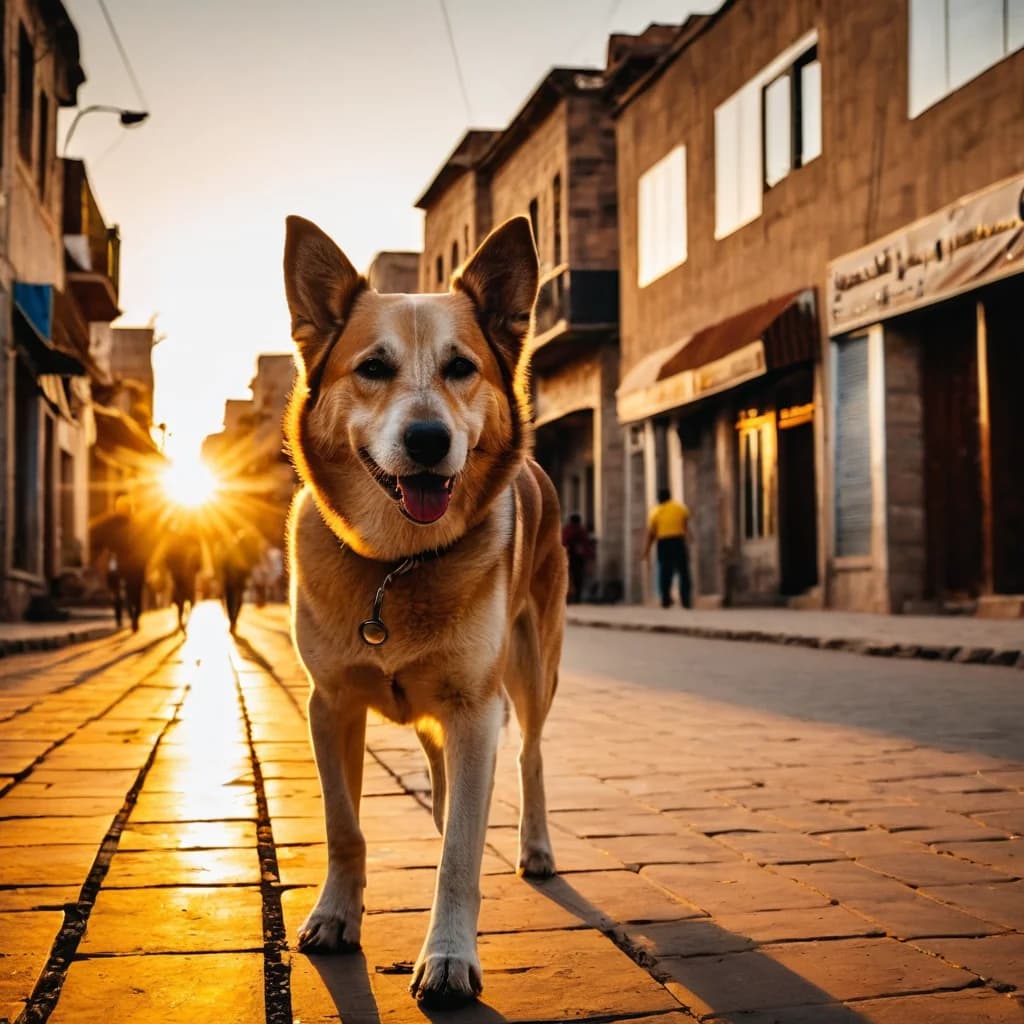

Diyarbakır is the historic capital of Southeastern Anatolia, a city of more than 1.8 million people known for its UNESCO-listed City Walls and the Tigris River. Dog ownership in Diyarbakır takes two forms: in the countryside (Silvan, Lice, Kulp) there is a strong shepherd dog tradition (Kangal Shepherd Dog, Akbash, Anatolian Shepherd), while in the city center (Yenişehir, Kayapınar) small and medium-sized apartment dogs are common. The 40-45°C heat of the summer months is the hardest part of keeping up a walking routine. The banks of the Tigris and the Hevsel Gardens are ideal for walks in the morning and evening. In this article, we look at the climate challenges of owning a dog in Diyarbakır, differences between neighborhoods, the vet network, a list of costs and the ways to adopt.
1. Dog Culture in Diyarbakır
Diyarbakır's dog culture has two layers. In the city center, small and medium breeds such as Pomeranians, Maltese, Cocker Spaniels and mixed-breed street dogs are common. In the countryside around Silvan, Lice and Kulp, raising shepherd dogs is a very strong tradition: the custom of herd and farm working dogs has lasted for centuries. The wide Diyarbakır plain offers plenty of space for large dogs. Having Dicle University's Faculty of Veterinary Medicine in the city is an advantage for dog health. Municipal spay/neuter and vaccination campaigns are active.
2. Apartment Living Across Diyarbakır
- Small/medium dogs are ideal: Pomeranians, Maltese, Cocker Spaniels and mixed breeds (street dogs) are common in apartments.
- A house with a yard for large dogs: The outer neighborhoods of Kayapınar, Eğil and the area around Hevsel.
- Walking areas: The banks of the Tigris, the Hevsel Gardens (UNESCO), along the City Walls (cool in the morning and evening) and Kayapınar Park.
- Air conditioning is a must: In the summer months, air conditioning is essential for large and long-haired dogs.
- Rental agreement: For a large breed, getting approval from building management is recommended; older apartment buildings tend to be more flexible.
3. Neighborhood Life: Sur and Bağlar
Diyarbakır's two historic, densely populated districts:
- Sur (Suriçi, Lalebey): A UNESCO World Heritage site. The narrow historic streets leave limited walking space for small dogs, but walks along the City Walls are ideal in the morning and evening.
- Bağlar (Kaynartepe, Yeniköy): The most populous district, with a mix of older apartment buildings and new housing complexes. Bağlar Park is good for walks.
- Walks along the City Walls: Walking your dog along the historic walls in the morning or evening is ideal, with a historic atmosphere and cooler air.
4. Neighborhood Life: Yenişehir, Kayapınar and Rural Districts
Yenişehir (Ofis, Kooperatifler): A modern center with plenty of vet clinics, close to the Tigris riverbank and ideal for walks.
Kayapınar (Peyas, Talaytepe): A newly developing modern district. Spacious apartments and covered garages. Close to Dicle University's vet faculty. Practical for a family dog.
Eğil and the area around the Hevsel Gardens: The UNESCO-listed Hevsel Gardens and the Tigris River make it ideal for large dogs and nature walks.
Silvan, Lice, Kulp, Bismil (rural districts): Raising shepherd dogs (Kangal, Akbash) is common. A tradition of herd and farm working dogs.
5. Vet Network
There are quite a lot of vet clinics in Diyarbakır:
Clinic density: clinics cluster around the busiest areas, 24-hour emergency services, Dicle University's Faculty of Veterinary Medicine (Kayapınar) and rural vets; which one is open on a given night varies.
6. Monthly Costs (Diyarbakır)
- Food: small dog
- Vet and vaccines
- Medication and parasite protection
- Grooming: per month for long-haired breeds in the summer
- Toys and equipment
- Walking accessories (leash and paw boots for asphalt): yearly
The fee depends on the city, the scope, the timing and the animal's weight and age. There is no binding minimum rate for these services; discuss the scope with the provider and get an estimate.
7. Climate: The Most Critical Factor for Dogs in Diyarbakır
Diyarbakır's summer climate makes it one of the hardest cities in Türkiye for dogs:
- Summer (June-September): 38-45°C, moderate humidity. Midday walks are strictly off-limits: paws burn on asphalt within seconds. Go out between 05:30 and 07:30 in the morning, or after 21:30 in the evening.
- Winter (December-February): Cool, 0-10°C. Comfortable for dogs. Rainy, so a dog raincoat is practical.
- Spring/Fall: The most active season, ideal for walks in Hevsel and along the Tigris.
- Heat and moderate humidity: High risk of fleas, ticks and heartworm (dirofilaria).
- Mosquitoes: Heavy all summer along the Tigris and around Hevsel, so monthly heartworm prevention is a must.
- Dust storms: On some days in summer; postpone walks for the sake of your dog's respiratory health.
8. Ways to Adopt
- The DoldurKabı app: Dog adoption listings in Diyarbakır.
- Diyarbakır Metropolitan Municipality: A temporary animal care center and adoption campaigns.
- District municipalities: The municipal shelters of Bağlar, Yenişehir, Kayapınar and Sur.
- Associations: Diyarbakır Hayvan Severler Derneği, Pati Diyarbakır and Sur Hayvansevenler, local animal welfare groups.
- University shelter: Students at Dicle University's vet faculty organize care and adoption for street dogs.
- Adopting a street dog: Common. A vet check, vaccines, spaying/neutering and a heartworm test are a must.
- Rural adoption: Kangal and Akbash puppies around Silvan, Lice and Kulp. They need plenty of space and a commitment to their care. The tradition of herd and working dogs is strong.
9. Tips Specific to Diyarbakır
- Summer walking schedule: Mornings 05:30-07:30, evenings after 21:30. Midday hours are dangerous.
- Asphalt test: If you can't hold your palm on the ground for 5 seconds, your dog can't stand it either.
- Water bottle and collapsible bowl: A must on walks by the City Walls or the Tigris; the risk of dehydration is high.
- Heartworm prevention: Monthly medication. In Diyarbakır, you can't skip it.
- Safety on walks along the City Walls: Historic areas carry a risk of traffic, tourists and fights with street dogs, so keep a firm hold on the leash.
- Enjoying the Hevsel Gardens: A UNESCO-listed natural area, ideal for weekend walks and socialization with large dogs.
- Dust storm precautions: If your dog has a sensitive respiratory system, postpone walks on dusty days.
10. 5 Practical Tips
- Get to know the vet in your neighborhood. Traffic inside Diyarbakır is heavy, so a nearby vet is critical.
- Microchip plus a DoldurKabı digital record. It helps your dog get identified quickly if it goes missing.
- A full parasite program before summer. Start heartworm and flea/tick prevention in March-April.
- Stick to walking hours. For the 5 months of summer, midday walks are OFF-LIMITS.
- Visit a municipal shelter. Before adopting, you can see the dog's personality and how it adapts to the hot climate.
Owning a dog in Diyarbakır, with walks around the UNESCO-listed City Walls and along the Tigris and the support of Dicle University's vet faculty, is a deeply meaningful experience. The 45°C summer heat calls for discipline, but with the right routine (morning and evening walks, parasite protection and air conditioning), your dog can enjoy this historic city. In the DoldurKabı app, you can find dog adoption listings, vet clinics and dog-friendly walking routes in Diyarbakır.









