


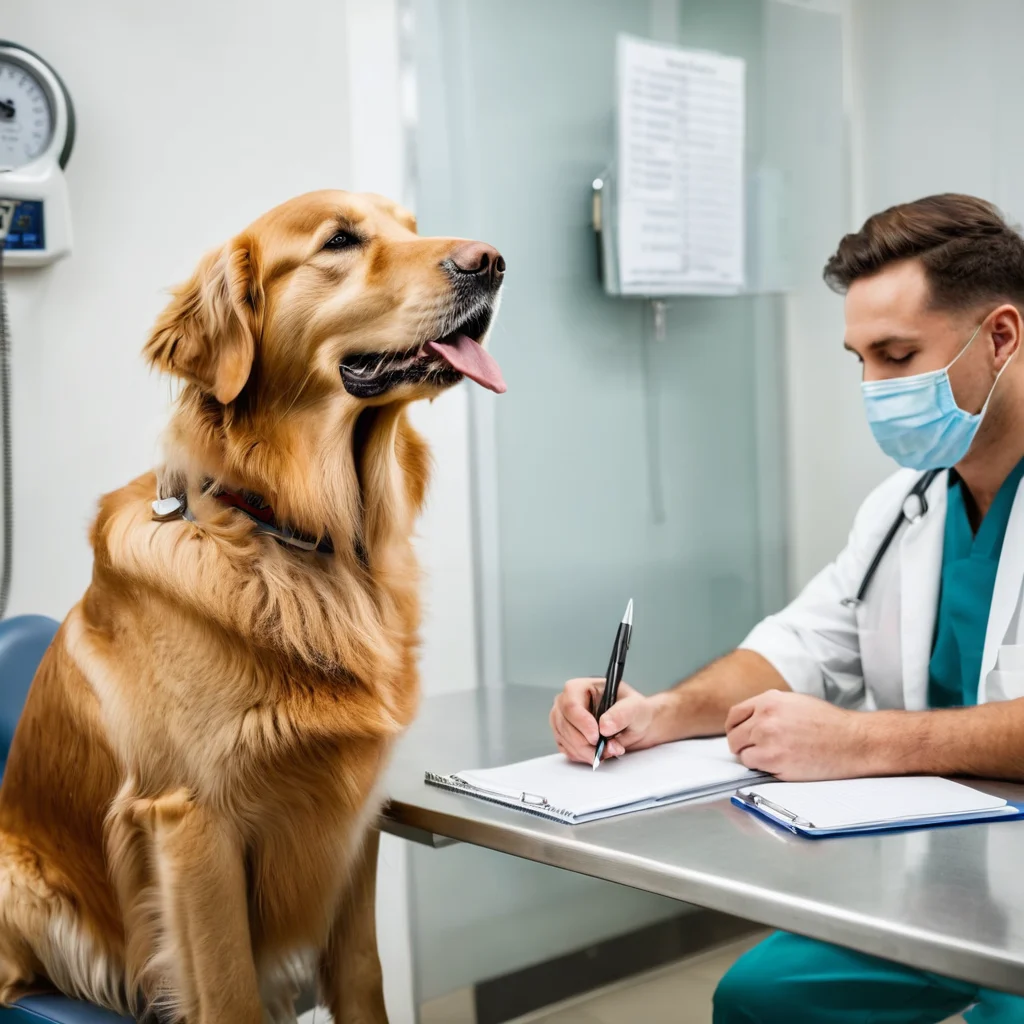

Neutering a male pet (removing the testicles) prevents testicular cancer, reduces prostate problems, and cuts down on urine marking. The risk of joint disease (in some large breeds) and of some cancers may go up. The decision is an individual one, based on your pet's breed, size, age, and health. In this post, we take a detailed look at the benefits and drawbacks of neutering male pets.
1. The Neutering Procedure
- Surgical removal of the testicles.
- The scrotum isn't opened (a pre-scrotal approach in large dogs).
- 15-30 minutes under anesthesia.
- Home the same day.
- 10-14 days of recovery.
- A cone (Elizabethan collar) for 7-10 days.
- Cost
The fee depends on the city, whether it's a clinic or a hospital, after-hours timing, imaging or overnight stays, and the animal's weight and age. The provincial Chamber of Veterinarians (Veteriner Hekimleri Odası) publishes a yearly minimum fee schedule; the schedule is a floor, not the final bill. Ask the clinic for a written or verbal estimate.
2. Benefits: Health
- Testicular cancer: 100% prevented.
- Benign prostatic hyperplasia: Reduced by 85%.
- Prostatitis (infection): Reduced.
- Perineal hernia: Reduced.
- Perianal adenoma: Prevented.
- Cryptorchid testicles carry a 10% cancer risk → neutering is a MUST.
3. Benefits: Behavior
- Urine marking drops by 60-80%.
- Roaming and escaping drop by 90%.
- Fights with other male dogs decrease.
- Excessive mounting (humping) drops by 60-70%.
- No mating stress.
- Some pets become more social.
- Focus during training improves (in some cases).
4. Benefits: Society
- Controls the stray animal population.
- Fewer ownerless puppies and kittens.
- Less spread of infectious disease.
- Easier for owners to manage their pet.
- Fewer conflicts with neighbors.
- Fewer pets running away and getting lost.
5. Drawbacks: Joint Disease
- Risk for large breeds: Hip dysplasia, ligament tears (CCL).
- Early neutering (before 1 year of age) carries the highest risk.
- Late neutering (after 12-18 months) carries less risk.
- Hormones are important for bone growth and growth plate closure.
- Early neutering means the growth plates close later, which leads to longer legs.
- Large breeds are prone to joint problems.
6. Drawbacks: Some Cancers
- Osteosarcoma (bone cancer): Early neutering means 2-3 times the risk in large breeds.
- Hemangiosarcoma: Some studies show an increase.
- Lymphoma: Some studies show an increase.
- Late neutering: These risks are lower.
- The risk-benefit analysis is individual.
- Research is ongoing (the general consensus: balanced).
7. Drawbacks: Weight and Metabolism
- Metabolism slows by 20-30%.
- The same amount of food = weight gain.
- Without active management, obesity follows.
- Obesity = diabetes, joint problems, heart problems.
- Adjust portions and add exercise.
- Diet food (neutered formula).
- Yearly body condition check.
8. Recommended Age (Males)
- Small breeds (under 10 kg): 6-9 months.
- Medium breeds (10-25 kg): 9-12 months.
- Large breeds (25-40 kg): 12-18 months.
- Giant breeds (40+ kg): 18-24 months.
- Cats: 5-6 months.
- Decide individually with your vet.
9. Alternatives (Not Performed in Türkiye)
- Vasectomy: Only the ducts are cut, and hormones continue.
- It isn't done in Türkiye (owners know little about it).
- Prevents reproduction, but behavior stays the same.
- May offer some joint protection.
- Some vets discuss it for older pets.
- Hormone-blocking medication (temporary).
- These are not standard.
10. Making the Decision
- Your pet's breed, size, and sex.
- Your family's lifestyle.
- Other pets in the home.
- Your pet's contact with others (outdoors, chances to mate).
- Your vet's individual recommendation.
- Family history of cancer (in the breed).
- Sporting pets (racing, agility) need extra attention to their joints.
- The owner's long-term lifestyle.
- An informed decision = a healthy pet.
Neutering a male pet is a formula that balances reproduction, behavior, and cancer prevention against joint risk. For most pets, the benefits outweigh the drawbacks. Later neutering is recommended for large breeds. Make the individual decision together with your vet. An informed owner picks the right timing and method. In the DoldurKabı app, you can find a list of vets experienced in neutering on a map.









