
Adopting a cat or dog from a municipal shelter in Erzurum takes more than filling out an application. It means understanding the animal's past, honestly assessing your home, and taking on a long-term responsibility. Whether you live in Yakutiye, Palandöken, Aziziye or Oltu, the basic process stays the same; what shapes your decision is how ready you are for transportation, daily routines and harsh winters. Without giving any unverified facility names or contact details, this guide explains how to research adoption through municipal channels in Erzurum, what to talk about in the interview, and how to plan your new friend's arrival at home.
How do you find accurate, up-to-date information in Erzurum?
Shelter visiting arrangements, the animals ready for adoption and the application method can change over time. So before you set out, check the current announcements on the official websites of the Erzurum Metropolitan Municipality and your district municipality. If you can't find the information, use the municipality's general contact channel and ask to be directed to the unit that handles animal care. The Provincial Directorate of Agriculture and Forestry is also a reliable source on the official process and registration requirements. To compare options across Türkiye, you can also use the shelter finder page. Don't rely on addresses and hours from old posts online without confirming them through an official source.
The municipality's responsibility and the adopter's role
Animal Protection Law No. 5199 gives local governments duties related to protecting and caring for ownerless animals. Adoption is a serious decision that completes this public responsibility with a forever home. Municipal staff can share the animal's records and known behavior traits, and they may ask about the applicant's lifestyle to find a good match. The adopter, in turn, takes on feeding, safe housing, exercise, registration and vet checkups in a sustainable way. Rather than rushing the process, you need to look at whether the animal's needs really match what you can offer.
How does the adoption process usually work?
- Initial research: Learn the visiting and application procedure through official channels, and ask which documents are required, such as ID and proof of residence.
- First interview: Be open about who lives in your home, your work schedule, any other pets and your daily care plan.
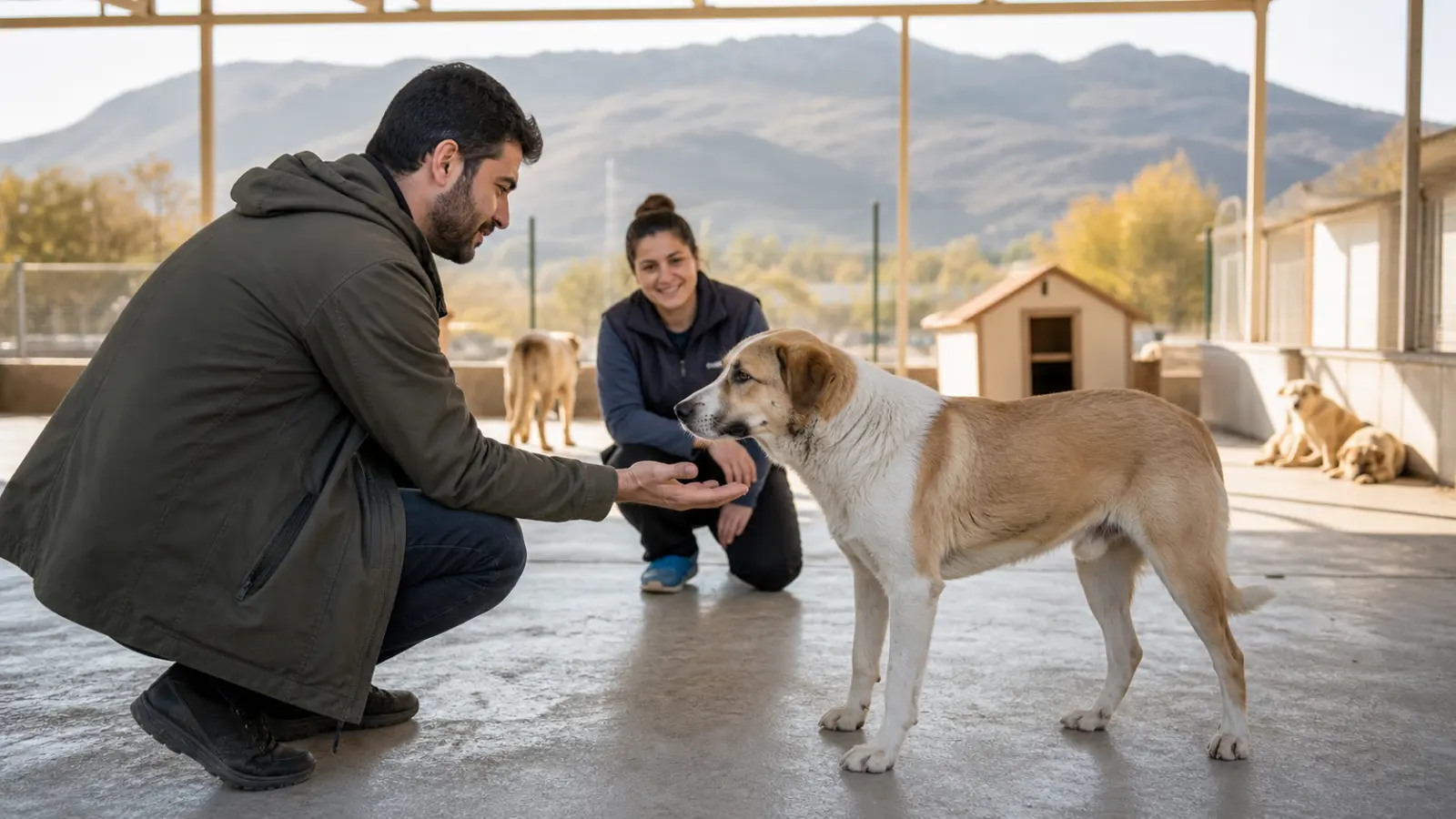
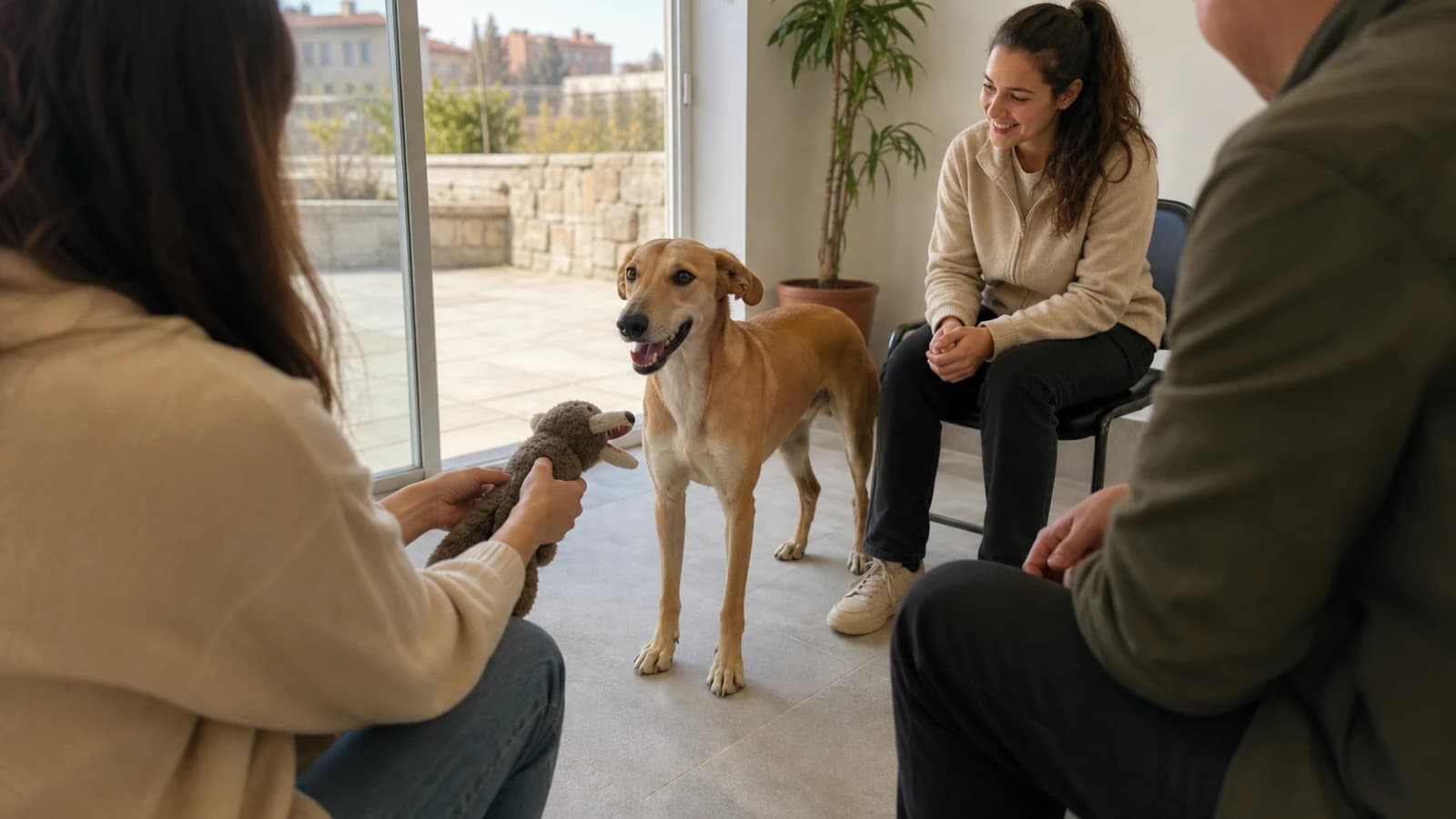
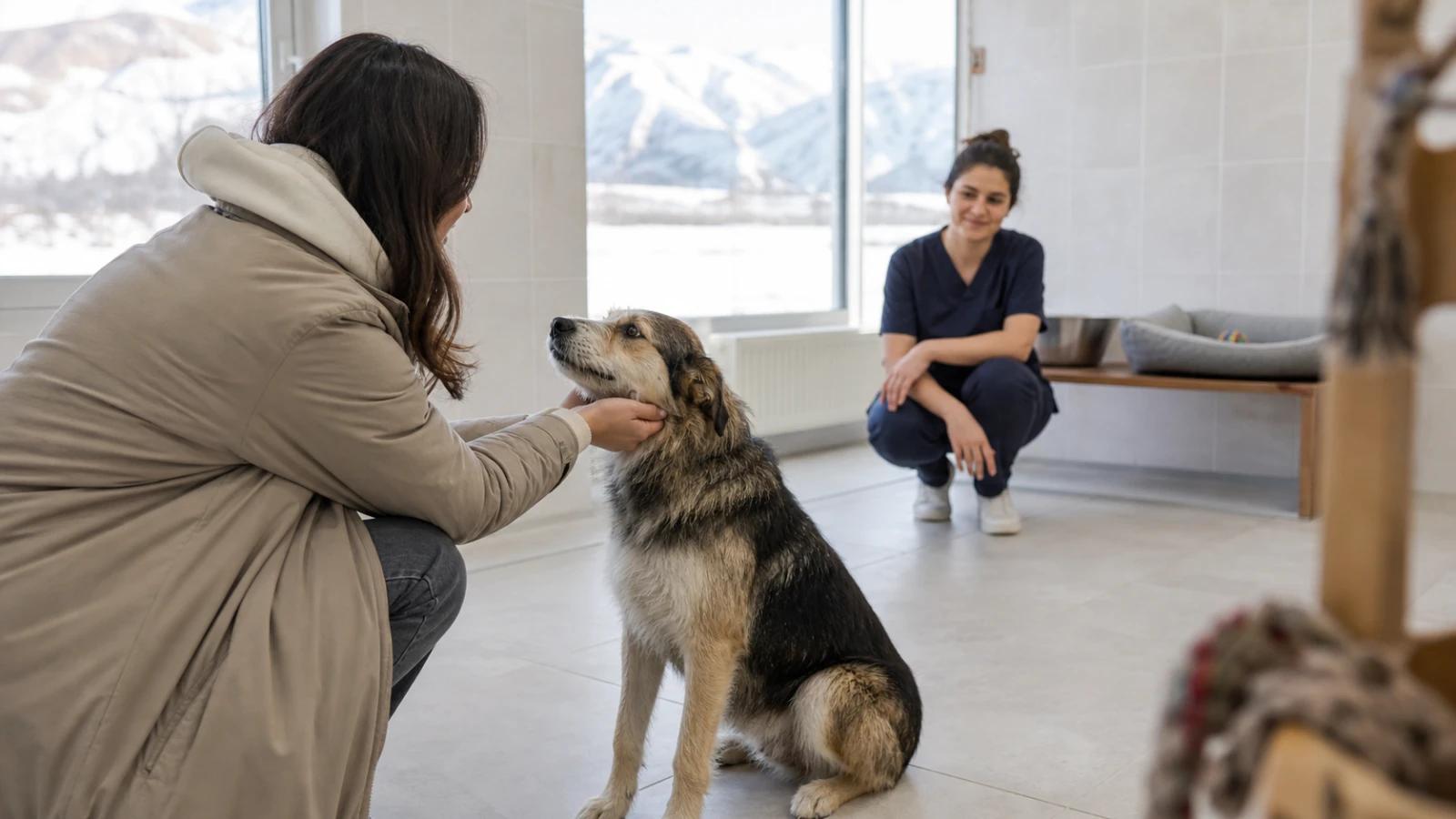
- Meeting the animal: Observe the animal calmly. If possible, meet more than once with a staff member present to get a sense of their energy and how they relate to people.
- Records check: Ask about the current status of spaying/neutering, vaccine and microchip records, and keep the documents you're given.
- Agreement and handover: Read the care, notification and follow-up terms in the adoption agreement. Ask for an explanation of any clause you don't understand before you sign.
- Follow-up: The municipal unit may later ask for updates or photos. If your contact details change, let the relevant office know.
The details can vary depending on the animal's age, registration status and the institution's current practice. So don't treat a single social media post as the definitive procedure.
Choosing a match in Erzurum's conditions
Erzurum's harsh winters make daily planning especially important, particularly for dogs that need to go outside. Although the city is described as a natural habitat for long-haired, large dogs, you shouldn't choose based on coat type alone. Age, exercise needs, health history, how warm your home is and your own care experience all need to be weighed together. The Palandöken ski resort is the city's iconic backdrop, but heavy snow, icy ground and short days don't remove the responsibility of regular walks. Apartment life in Yakutiye isn't the same as a house with a yard in Oltu. A yard on its own doesn't make a home suitable either; a secure enclosed area, human contact and daily attention are needed.
Prepare your home before you adopt
Set up a safe starting space
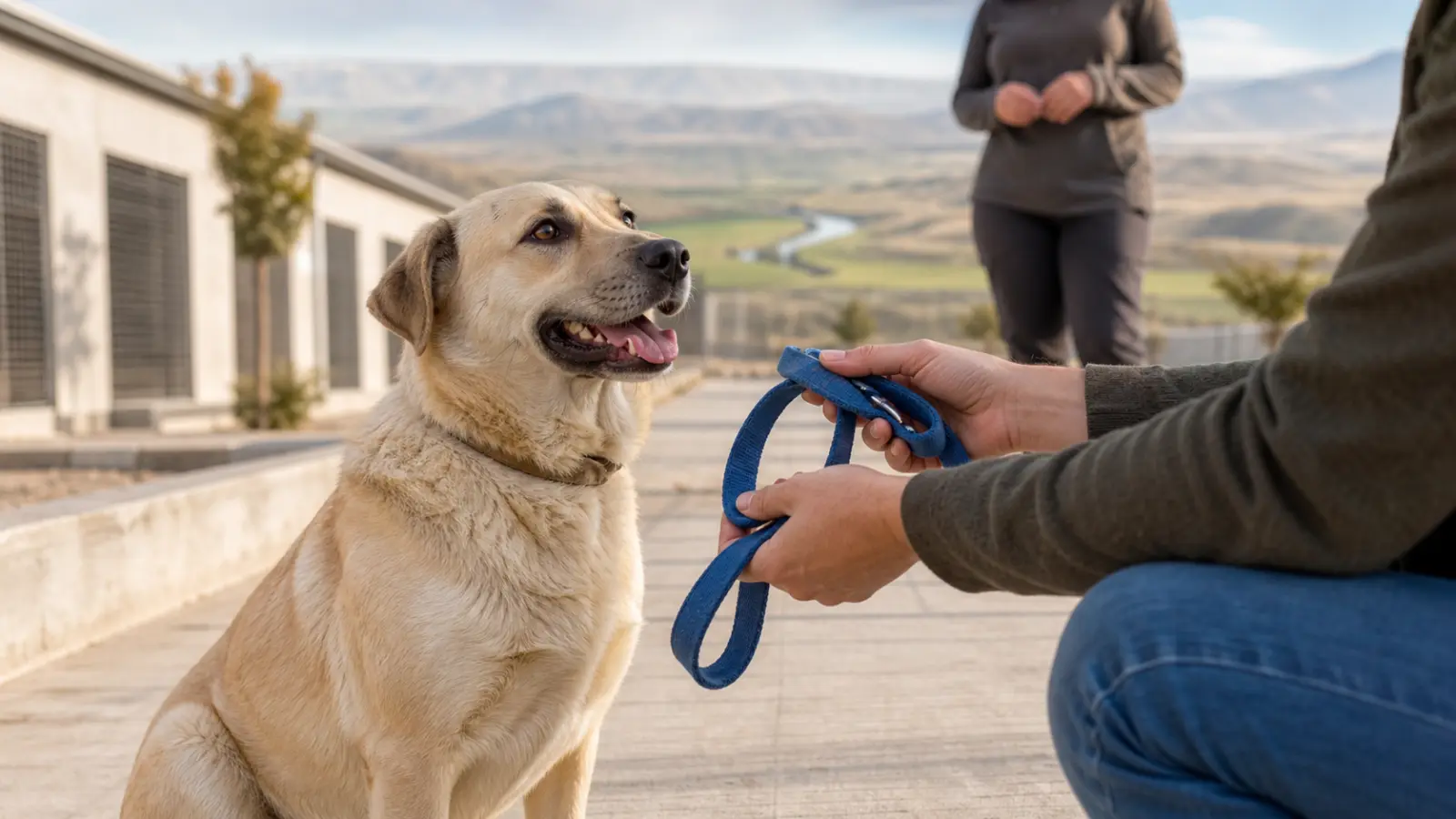
Set aside a quiet, easy-to-clean room or corner with a door that closes for your new arrival. Place the food and water bowls away from the toilet area. Windows, balconies and the front door should be secured to reduce the risk of escape. Have a sturdy collar and suitable transport gear ready for a dog, and a secure carrier for a cat. Not leaving first-day supplies to the last minute reduces noise and stress on arrival.
Plan for winter and transportation
Think about safe transport for trips into the center from places like Aziziye or Palandöken. Avoid long waits inside a car in cold weather, and plan your route home in advance. On frozen and salted surfaces, adjust walk times to your pet's condition and check their paws when you get back. If you notice symptoms, an injury or unusual behavior, don't try to diagnose it yourself; see a veterinarian. If the shelter gives you care notes, bring them to the first checkup appointment.
What should you do in the first 72 hours?
The goal of the first three days isn't to socialize the animal quickly but to build a sense of safety. Don't invite a crowd of guests as soon as they arrive. Let them explore on their own terms; if they're hiding, don't force them out. Find out what kind of food they ate at the shelter and don't make sudden changes to their diet. Make sure they always have access to water. On the first walks, use double safety measures and a calm route for your dog. Don't let your cat go outside. Keeping short notes on appetite, water intake, bathroom habits, rest and general behavior makes it easier to track how they're settling in and to pass on accurate information when needed.
Introductions if you have other pets at home
Instead of putting the new animal in the same space as your current cat or dog right away, go step by step. Start with separate spaces, and swap items that carry their scent, such as bedding or a cloth, in a controlled way. For dogs, short introductions in a suitable, neutral area, on leash and with two adults in control, can be safer. For cats, you can use stages like scent swapping under the door and brief visual contact. Growling or hiding on its own doesn't mean failure; shorten the sessions and reward calm behavior. If tension rises, separate the animals and ask for qualified behavior support.
A long-term responsibility plan
Before you adopt, think through your monthly care budget as line items, without putting numbers on it: proper nutrition, routine vet checkups, parasite protection, registration, transportation, toys and the unexpected. Write down who will look after your pet when you travel, how long they'll be alone on workdays, and what your plan is if you move. Everyone in the family should agree on how tasks are shared. You can find local content and current listings in Erzurum on the Erzurum adoption page, and other citywide resources in the Erzurum City Guide.
Frequently Asked Questions
Where should I apply to adopt from a municipal shelter in Erzurum?
First check the current announcements on the official website of the metropolitan municipality or your district municipality. For the exact location, visiting arrangements and contact details, use only official municipal channels; if needed, ask the Provincial Directorate of Agriculture and Forestry for information about the process.
Which documents might be required for adoption?
You may be asked for ID, contact and residence information, along with an application form. The required documents can vary by institution and current practice, so confirm them before your visit.
How do I find out the animal's vaccine and spay/neuter status?
Ask the staff about the records and review any health or ID documents you're given. For anything missing or still in progress, set up a personalized follow-up plan with a veterinarian.
If they don't settle in on the first day, should I take them back?
Hiding, shyness or changes in routine are common in the first days. If there's nothing threatening anyone's safety, move forward calmly and gradually; with serious problems, don't make a sudden decision before talking to the municipal unit, a veterinarian or a behavior specialist.