


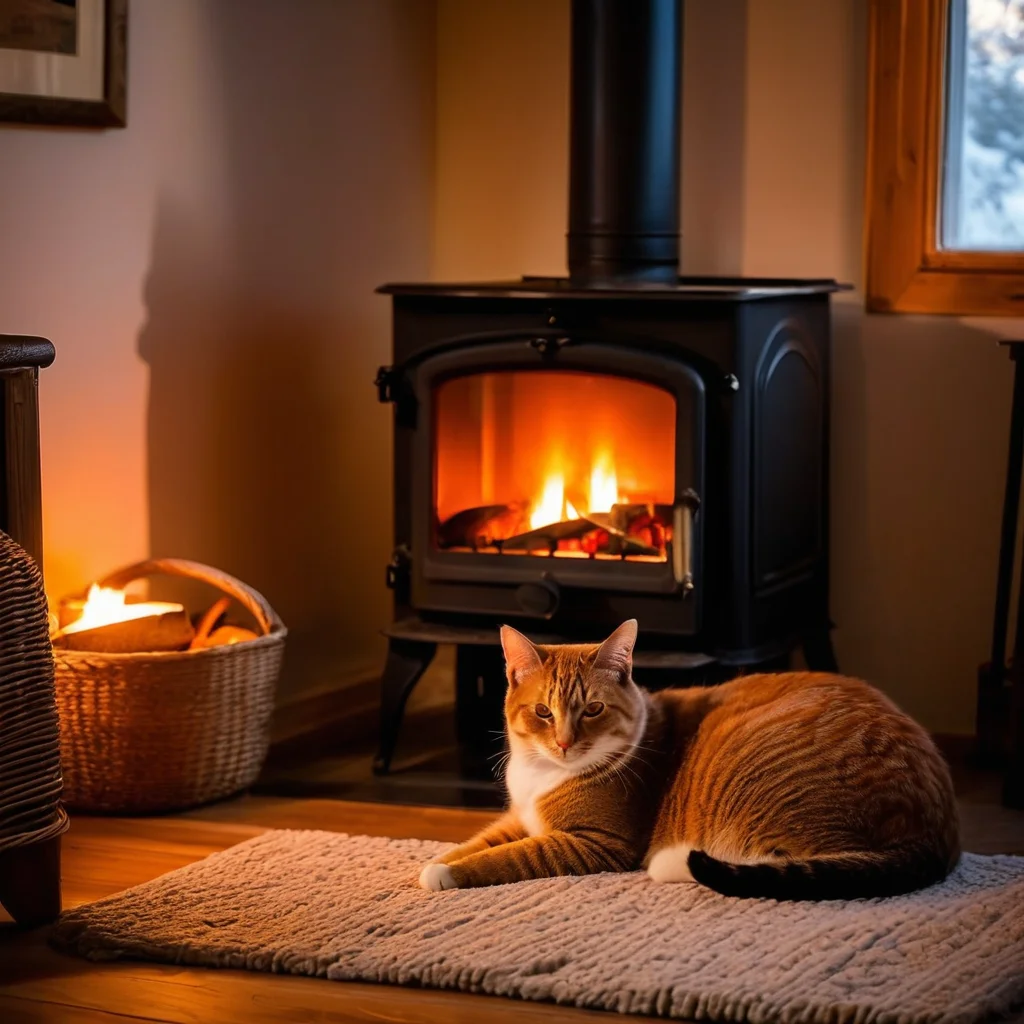

Winter home heating and pet safety: stove burns, carbon monoxide poisoning from gas water heaters, overheating on heated floors over long periods, fan heaters tipping over and chewed electric blanket cords. Combi boilers, stoves and gas water heaters are common in Türkiye. Each heating system carries different risks for pets. In this article, we take a detailed look at home heating and pet safety.
1. Stoves (Wood and Coal)
- The biggest risk for pets is burns.
- Side surfaces can reach 200°C+.
- Supervise like you would a child until the pet learns.
- Crawling puppies and kittens are at special risk.
- A metal guard around the stove (5+ mm clearance).
- A falling ember landing on a pet = a serious burn.
- Pet burn emergency: cool water for 5+ minutes, then the vet.
2. Carbon Monoxide from Gas Water Heaters
- Carbon monoxide (CO) is colorless and odorless.
- Gas water heaters and stoves produce CO.
- Poor ventilation = death.
- Pets and people face the same risk.
- A CO detector is ESSENTIAL.
- Signs: vomiting, weakness, drowsiness, coma.
- Emergency: open the windows, get to fresh air, see the vet.
- In Türkiye, 100+ people a year fall victim to CO from gas water heaters.
3. Floor Heating
- Pets lie on the floor constantly = overheating.
- Body temperature imbalance.
- Senior pets are at risk while sleeping.
- A thermostat setting of 22-24°C is optimal.
- An insulated bed = reflects heat.
- A pet who sleeps in one spot and wakes up sluggish = too much heat.
- It can help pets with joint problems in some cases.
4. Electric Fan Heaters
- Contact with a pet causes burns.
- Tipping over = a rug fire.
- A pet chewing the cord = electric shock.
- Hot air blowing directly harms pets.
- Choose a child-safe model.
- The principle: run it only when the pet isn't home.
- Place it securely (so it can't tip over).
5. Electric Blankets and Bed Warmers
- Risk of pets chewing the cord.
- Too much heat = too much dryness.
- Pet bed warmers (pet-safe) exist.
- Too hot = pain for a pet who can't move away.
- Thermostat control is a must.
- Pet heat pads (Snuggle Safe) are safe (heated in the microwave).
6. Combi Boilers and Radiators
- Generally the safest option for pets.
- Radiators run 50-70°C, so long contact causes burns.
- A pet always beside the radiator = very dry skin.
- Puppies and kittens can get stuck between radiators.
- A radiator guard cover.
- A water evaporator = moist air (good for pet skin).
7. Open Fireplaces
- The most fun for pets (warmth and a view), and the riskiest.
- Embers falling from an open fire.
- Sparks burning a pet's fur.
- A fireplace screen or protective glass.
- NEVER leave a pet alone by the fireplace.
- Pets tracking ashes through the house is a cleaning problem.
- Fire risk (make sure it's out at night).
8. Candles and Aromatherapy
- A candle is an open flame = pet burns and house fires.
- Candles burning nonstop are FORBIDDEN around pets.
- Essential oils are TOXIC to cats.
- Tea tree, eucalyptus and citrus oils cause liver damage in cats.
- Diffusers affect them through the air too.
- Keep candles and diffusers away from pets.
- Pet-safe alternative (no heated warm candles).
9. Excess Dryness and Humidity
- Winter heating = dry air.
- Dry, itchy skin in pets.
- Dry coat and static.
- Dry airways = infection risk.
- A humidifier: 40-50% humidity is ideal.
- Water bowls in several places and plenty of drinking.
- Increase the share of wet food.
- An omega-3 supplement for skin health.
10. Fire and CO Emergencies
- Smoke and CO detectors in every room.
- A fire extinguisher.
- A pet evacuation plan (see our earlier article).
- CO symptoms = get pets and people outside, call 112, then the vet and a doctor.
- Burn treatment: cool water for 5+ minutes, then the vet.
- Singed fur = emergency vet visit (skin and breathing check).
- Air out the home for a long time after a fire.
Home heating and pet safety follow a formula: keep stoves out of reach, use a CO detector, watch radiator contact, control humidity and be careful with candles and aromatherapy. In winter, home heat sources can be dangerous for pets. Prevention is far better than a trip to the emergency vet. Think of your pet like a child and keep your home safe. In the DoldurKabı app, you can find emergency vets and 24-hour services on the map.









