


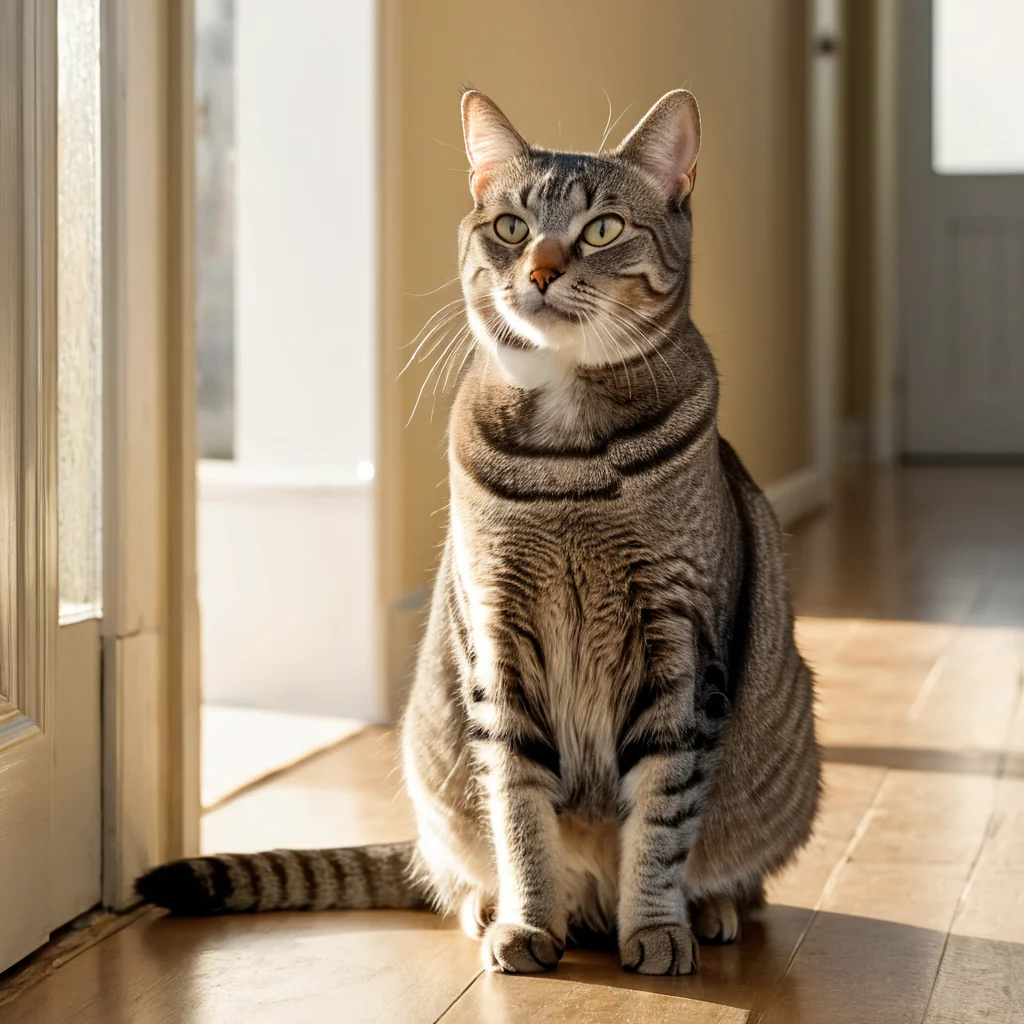

Your senior dog or cat seems "confused": it turns in circles in the middle of the room, meows at night, has forgotten old games, and acts as if it does not know the house. These behaviors may not be "just aging"; they may be Pet Cognitive Dysfunction (similar to Alzheimer's). Some degree of cognitive decline is seen in roughly 30-50% of dogs 11+ and cats 12+. The good news: when it is caught early, progression can be slowed and quality of life can be preserved.
This post covers the signs of this dementia-like condition, the diagnostic process, managing it at home, and ways to protect quality of life.
1. What Is CDS (Cognitive Dysfunction Syndrome)?
In senior dogs and cats, changes similar to Alzheimer's in humans (beta-amyloid buildup, loss of nerve cells) develop in the brain. A decline in cognitive skills (memory, orientation, learning, social interaction) appears gradually.
2. The DISHA Acronym for Signs
The DISHA framework for signs of cognitive decline, widely used in veterinary literature:
- D (Disorientation): Standing and staring in the middle of the room, getting lost on the way to a familiar spot, choosing the wrong door.
- I (Interaction changes): Less interest in the owner, loss of former sociability, or in some cases the opposite: becoming "clingy."
- S (Sleep/wake cycle): Sleeping too much during the day and wandering at night. Meowing or barking at night.
- H (Housetraining regression): Accidents in an animal that was once house-trained.
- A (Activity changes): Less desire for walks and play; restless wandering in some.
If there are three or more DISHA signs: see a vet.
3. Normal Side Effects of Aging vs Cognitive Decline
| Normal Aging | Suspected Cognitive Decline |
|---|---|
| Slower walking, mild tiredness | Getting lost while walking, turning back to stare |
| Less play | Not recognizing play |
| Calming down overall | Not recognizing the owner, forgetting old routines |
| Occasional movement at night | Wandering at night with loud meowing or barking |
| No noticeable accidents in the house | Frequent, inconsistent indoor accidents |
4. The Diagnostic Process
- A thorough veterinary exam: Rule out other conditions: hyperthyroidism, kidney disease, vision loss, hearing loss, pain, brain tumor.
- Blood test, biochemistry, and thyroid.
- Vision and hearing tests.
- Advanced imaging (CT/MRI) in suspicious cases.
- Behavioral assessment, based on the owner's daily observations.
The diagnosis of "cognitive decline" comes after other causes have been ruled out.
5. Treatment: Slowing Progression
There is no permanent cure, but progression can be slowed:
Medications
- Selegiline (Anipryl): FDA approved for dogs; cognitive support.
- Propentofylline: Supports blood flow to the brain.
- Memantine: In some advanced cases.
Diet
- Hill's b/d (for dogs): A cognitive support formula with antioxidants and omega-3.
- MCT (medium-chain triglycerides): An alternative energy source for the brain.
- Omega-3 (fish oil): EPA and DHA.
Supplements
- Aktivait (for dogs).
- High-dose vitamin E and vitamin B complex (under veterinary supervision).
- SAMe, for liver and brain support.
6. Home Management: Adapting the Environment
- A steady routine: Meals, sleep, and potty at the same times. Changes cause confusion.
- Guiding cues: A night light near the potty area.
- Keep the bed in the same place.
- Do not rearrange the furniture; preserve the layout your cat or dog is used to so it is not forgotten.
- Make potty access easier: A low-sided litter box for a senior cat; frequent trips outside for a dog.
- Preventing loss: Microchip, collar, and GPS collar, so a senior animal that goes missing can be found quickly.
- Mental stimulation: Gentle food puzzles, short training sessions, sniffing games.
7. Adapting as a Family and Owner
- Patience. Your cat or dog is not "acting spoiled"; its brain is changing.
- Tell the family: Everyone, including children, should know about the situation.
- Night routine: Take turns with a partner and think about bed placement to manage the owner's sleep.
- Monitoring quality of life: Regular assessments with your vet.
8. Quality of Life Assessment
In advanced cases, the question "how much longer?" is natural. The HHHHHMM scale (Hurt-Hunger-Hydration-Hygiene-Happiness-Mobility-More good days) is the standard tool. The decision is made together with your vet.
9. Frequently Asked Questions
My dog suddenly stares at the wall. Is it dementia?
It could be, especially in a senior dog. But there are other causes too, like a brain tumor or vision loss. A veterinary exam is essential.
Can a kitten live with an adult cat that has dementia?
The risk is high. The kitten's urge to play stresses the older cat. Separate rooms and supervised contact. Getting a kitten does not "do good" for dementia; it often does the opposite.
How effective are the medications?
It varies by individual: some animals improve by 30-50%, others very little. An 8-12 week trial plus a veterinary assessment.
What does the dementia picture look like in Türkiye?
The aging pet population is growing; especially well-cared-for cats aged 18+ and dogs aged 14+ are becoming more common. Dementia cases are visibly increasing.
Should I worry about "temporary forgetfulness"?
A one-off episode (tiredness, mild stress) is normal. Constant and progressive = see your vet.
Do vaccines and other routine measures change?
For senior cats and dogs with dementia, the vaccine and medication plan is personalized by the vet. Excess stress and extra burden are reduced.
How can the owner manage the emotional burden?
Living with an aging pet is emotionally heavy. A vet, a pet bereavement counselor (limited in Türkiye), and community support can help. Share experiences in the DoldurKabı community.
Final Word
Cognitive decline is a natural part of aging, but early detection plus the right management = a good quality of life in the golden years. Patient care, medication, and adapting the environment = a meaningful final chapter for both owner and pet.
For medication times, behavior tracking, and vet checkups, use DoldurKabı Pet Health Tracking.
This guide is for informational purposes; diagnosis and treatment are a matter of veterinary expertise.









