



Traveling With a Pet: A Complete Transport Guide
With the right planning, traveling with your pet can be an enjoyable experience for both of you. But not knowing the transport rules, poor preparation and a lack of stress management can turn the trip into a hard one for you and your pet alike. In this guide, you'll find the rules for traveling by different kinds of transport and tips for a comfortable journey.
Preparing Before the Trip
Vet Checkup
Get a vet checkup at least a week before you travel. A health certificate, an up-to-date vaccination document and, if your pet has one, the microchip number will be needed on the trip. For air travel in particular, airlines may ask for a health certificate no older than 10 days.
Getting Used to the Carrier
Bring the carrier home at least 2 weeks before the trip and help your pet get used to it. Put its favorite blanket and toys inside, and leave the door open to encourage it to go in on its own. Forcing it in, or putting it in the carrier for the first time on travel day, causes serious stress.
Traveling by Car
This is the most flexible and controlled way to travel. Things to keep in mind:
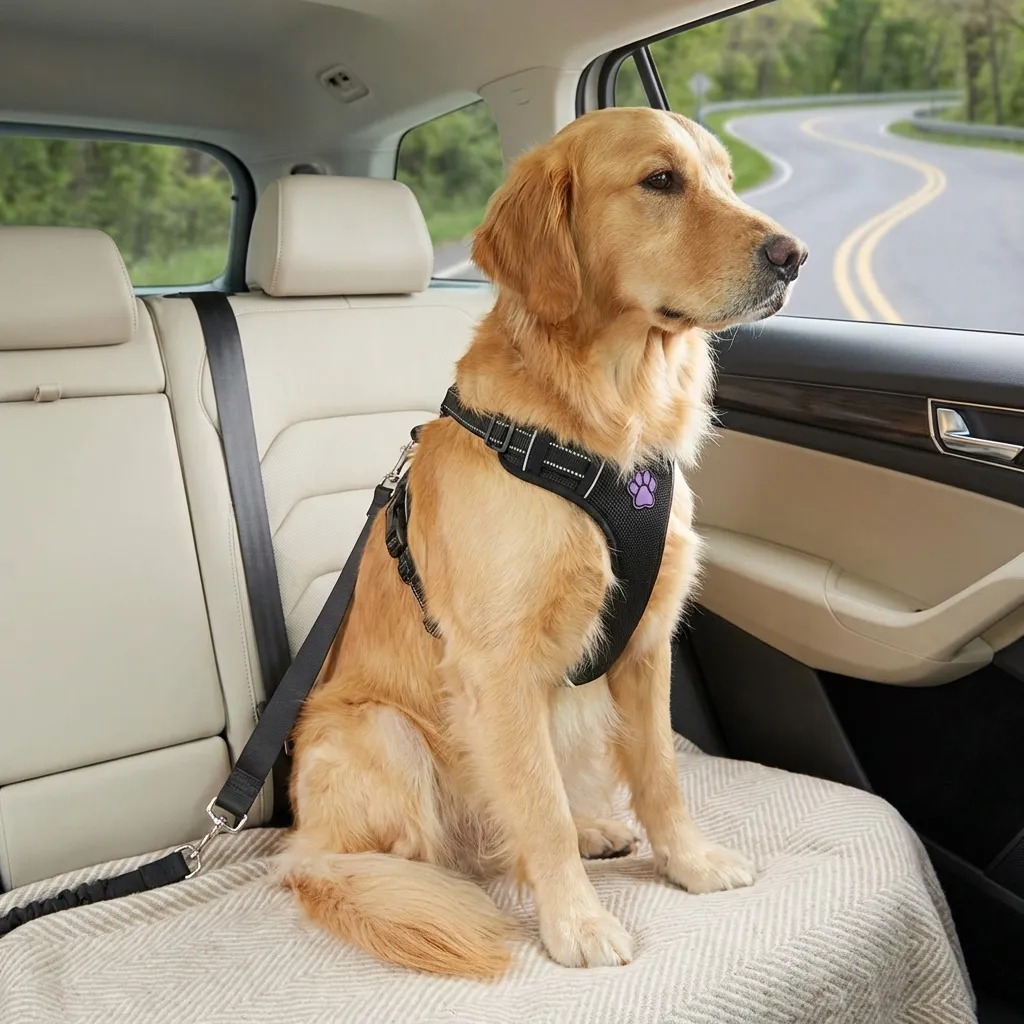
- Safety: Use a seat belt adapter or a car crate for dogs. Cats must always be in a carrier. Holding a pet on your lap is both against the law and dangerous.
- Breaks: Take a break every 2-3 hours. Take your dog for a short walk and offer water.
- Temperature: Never leave your pet alone in a closed car. In summer, the temperature inside a car can go above 50°C within minutes, and that is deadly.
- Feeding: Feed 3-4 hours before the trip. Avoid heavy meals during the journey to prevent nausea.
- Windows: Don't let your dog stick its head out of the window; it can cause eye injuries and ear infections.
Traveling by Plane
Air travel requires more planning and paperwork:
In the Cabin
Pets under 8 kg (including the carrier) can usually travel in the cabin. The carrier must fit under the seat in front of you. You need to tell the airline when you book and pay an extra fee. The number of pets accepted on each flight is limited, so book early.
In Cargo
Larger pets travel in the cargo hold in an IATA-compliant carrier. The cargo hold is temperature- and pressure-controlled, but it is still a stressful experience for the animal. Avoid shipping in cargo when the weather is very hot or very cold.
Required Documents
- Up-to-date vaccination record (especially the rabies vaccine)
- Veterinary health certificate (issued within 10 days)
- Microchip document
- For international travel: a pet passport and the specific requirements of the destination country
Traveling by Bus and Train
In Türkiye, most intercity bus companies allow pets under certain rules. General rules:
- The pet must be in an IATA-approved carrier
- The carrier goes in the luggage compartment (some companies allow it in the cabin)
- An extra fee may apply
- Check the company's policy in advance and make a reservation
Managing Travel Anxiety
Many pets feel stressed by travel. To reduce stress:
- Feliway / Adaptil: Pheromone sprays for cats and dogs have a calming effect when sprayed in the carrier.
- Familiar items: A blanket or toy with a familiar scent can go in the carrier.
- Gradual practice: Start with short trips and build up the time.
- Calming medication: For severe anxiety, your vet may prescribe a mild sedative. Never use human medication.
Travel Bag Checklist
- Enough food and water
- Portable water and food bowls
- Collar, harness and a spare leash
- Waste bags
- Photocopies of the vaccination record and health certificate
- First aid kit (the basic supplies your vet recommends)
- A familiar blanket or toy
- Any medication your pet takes regularly
With good planning, traveling with your pet becomes an enjoyable experience. The most important rule is to always put your pet's comfort and safety first.









