


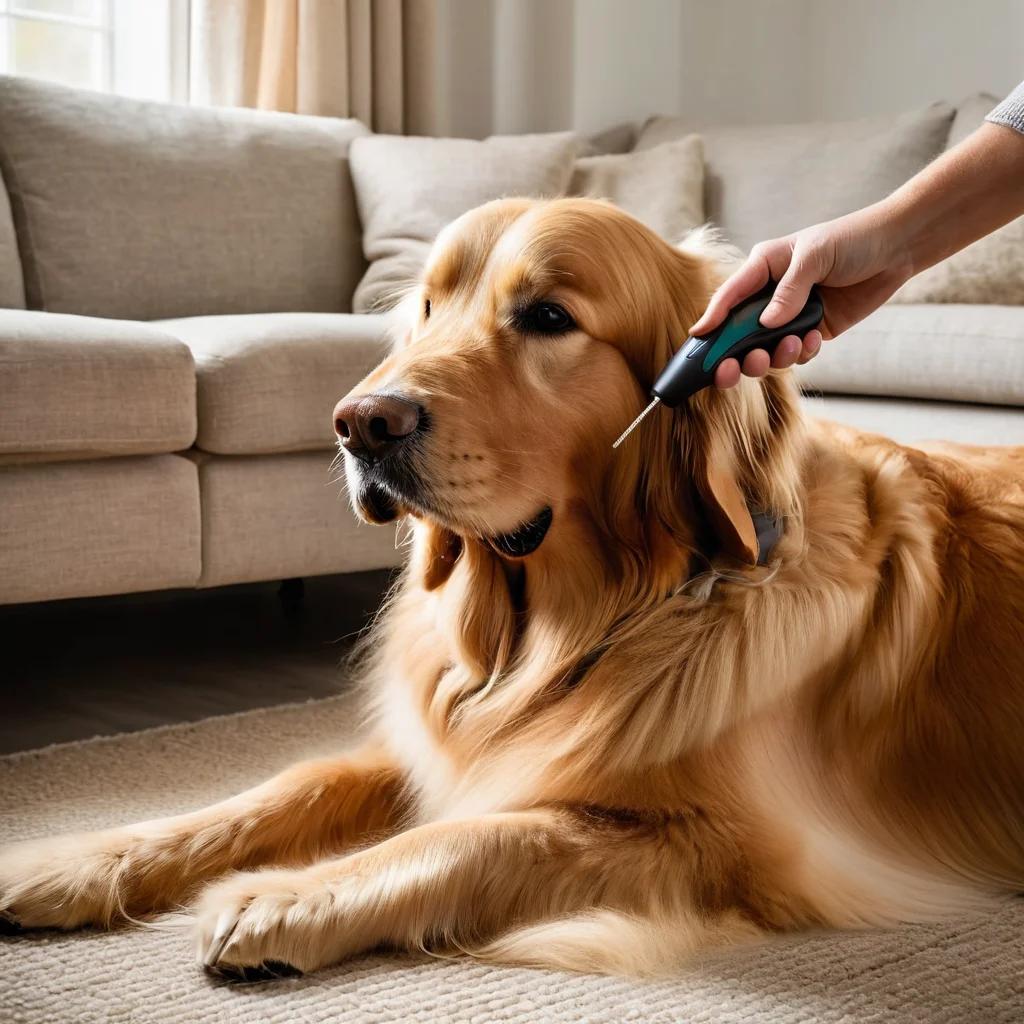

Fur in every corner of the house, fur on your clothes, fur on the kitchen counter: the unchanging reality of owning a dog or cat. But "normal shedding" and excessive shedding are different things. Most of the time, a mix of nutrition, care and health triggers it. This article covers normal vs abnormal shedding, its causes and a routine you can follow at home.
1. What Normal Shedding Looks Like
All dogs and cats shed; it is a natural part of the hair growth cycle:
- Double-coated breeds (Husky, Pomeranian, Maine Coon): Heavy shedding in spring and fall (2-4 weeks). Light shedding all year is normal.
- Single-coated long-haired breeds (Maltese, Yorkshire): A small amount all the time; trimming every 6-8 weeks.
- Curly coats (Poodle, Bichon): Shed very little; the group called "hypoallergenic."
- Short, straight coats (Labrador, Beagle): A moderate amount all the time, plus heavy seasonal shedding.
2. Signs of Excessive Shedding
- Heavy shedding outside the seasonal peak.
- Fur coming out in clumps, local bald patches.
- Red, flaky skin and a bad smell.
- Excessive licking and scratching.
- A dull, coarse coat instead of a shiny one.
- Bare areas on the dog's head, flanks or tail.
These signs call for more than "brush more often"; they call for a search for the underlying cause.
3. Causes of Excessive Shedding
Poor Nutrition
- Low-quality protein.
- Not enough omega-3 and omega-6.
- Biotin, zinc or vitamin E deficiency.
- Long-term use of highly processed dry food on its own.
Skin Problems
- Fungal infection (dermatophytosis).
- Bacterial infection (pyoderma).
- Parasites (fleas, ticks, demodex, sarcoptes).
- Allergic dermatitis (environmental, food).
- Autoimmune diseases (pemphigus).
Hormonal
- Hypothyroidism (dogs): symmetrical hair loss, drowsiness and weight gain.
- Cushing's disease: symmetrical shedding on the belly.
- Temporary shedding after spaying/neutering.
Stress
- Moving house.
- A new pet.
- Changes in the family.
- Local bald spots from excessive licking.
Environmental
- An indoor space that is too hot.
- Low humidity (heaters in winter).
- Wrong bathing frequency (weekly is too much).
- Wrong shampoo (human shampoo).
4. The Diagnosis Process (Vet)
- General exam and skin assessment.
- Skin scraping and microscopy (parasites, fungus).
- Bacterial culture (if needed).
- Blood test: thyroid (T4), Cushing's test.
- Allergy test (chronic cases).
- Biopsy (advanced cases).
5. Home Management Routine
1. Regular Brushing
- For double coats, 2-3 times a week, and once a day during shedding season.
- For long coats, 5-10 minutes a day.
- Undercoat tools like the Furminator work well.
2. Better Nutrition
- High-protein, good-quality food (a named meat in the first 3 ingredients).
- Omega-3 and omega-6 (salmon oil, fish oil supplement).
- Biotin and zinc supplements (under vet supervision).
- A mix of wet and dry food.
- Enough water.
3. Bathing Routine
- Once every 2-3 months (too much bathing strips the skin's oils).
- Pet shampoo (suited to animal skin pH).
- If there is itching, a medicated shampoo recommended by your vet.
4. Adjusting the Environment
- Humid air (especially in winter).
- No bed under an air conditioner vent.
- No soft pulling.
5. Stress Management
- Adaptil (dogs) / Feliway (cats) pheromones.
- A regular routine.
- Socialization and play.
6. Managing Shedding (For the Owner)
- Pet vacuum: Invest in a vacuum with strong pet hair suction.
- Pet hair removal brushes and a lint roller for rugs.
- A dog or cat bed with a washable cover.
- Furniture covers: Cushions and blankets that are easy to wash.
- HEPA filter air purifier: For families with allergies and for clean air.
7. Frequently Asked Questions
Do hypoallergenic dogs shed?
All dogs shed to some degree. The breeds called "hypoallergenic" (Poodle, Bichon) shed very little, but they are not 100% allergen-free; the allergen is not the fur but dander and saliva.
A strange bald patch appeared on my cat's side.
Fungus (ringworm), demodex, allergies or compulsive licking are considered. A vet exam is a must.
Do they shed more in the summer?
In double-coated breeds, the peaks are spring (shedding the winter coat) and fall (shedding the summer coat). Light shedding continues in summer.
If we shave the dog, will the shedding stop?
No. In double-coated breeds, shaving doesn't remove the undercoat, and it damages the protection of the outer coat. In some cases, shaving makes the harm worse. Regular brushing is the right answer.
Will changing the food fix the shedding?
With nutrition-related shedding, there is improvement after switching to high-quality food for 6-8 weeks. With a medical cause, food alone is not enough.
Are omega-3 supplements safe?
At the vet's dose, yes. Too much fat brings a risk of pancreatitis; the dose of fish oil capsules made for people has to be adjusted for the animal.
How can you tell stress-related shedding?
After a specific event, plus excessive licking while the owner is away: stress. A vet skin exam and starting Adaptil/Feliway pheromones.
Final Word
Excessive shedding is resolved in most cases once the cause is found. Regular brushing, good nutrition, skin health and (if needed) a vet exam = a shiny coat and a healthy pet.
For coat care routines, nutrition and vet follow-ups, use DoldurKabı Pet Health Tracking.
This guide is for information only; for persistent or serious shedding, see your vet.









