


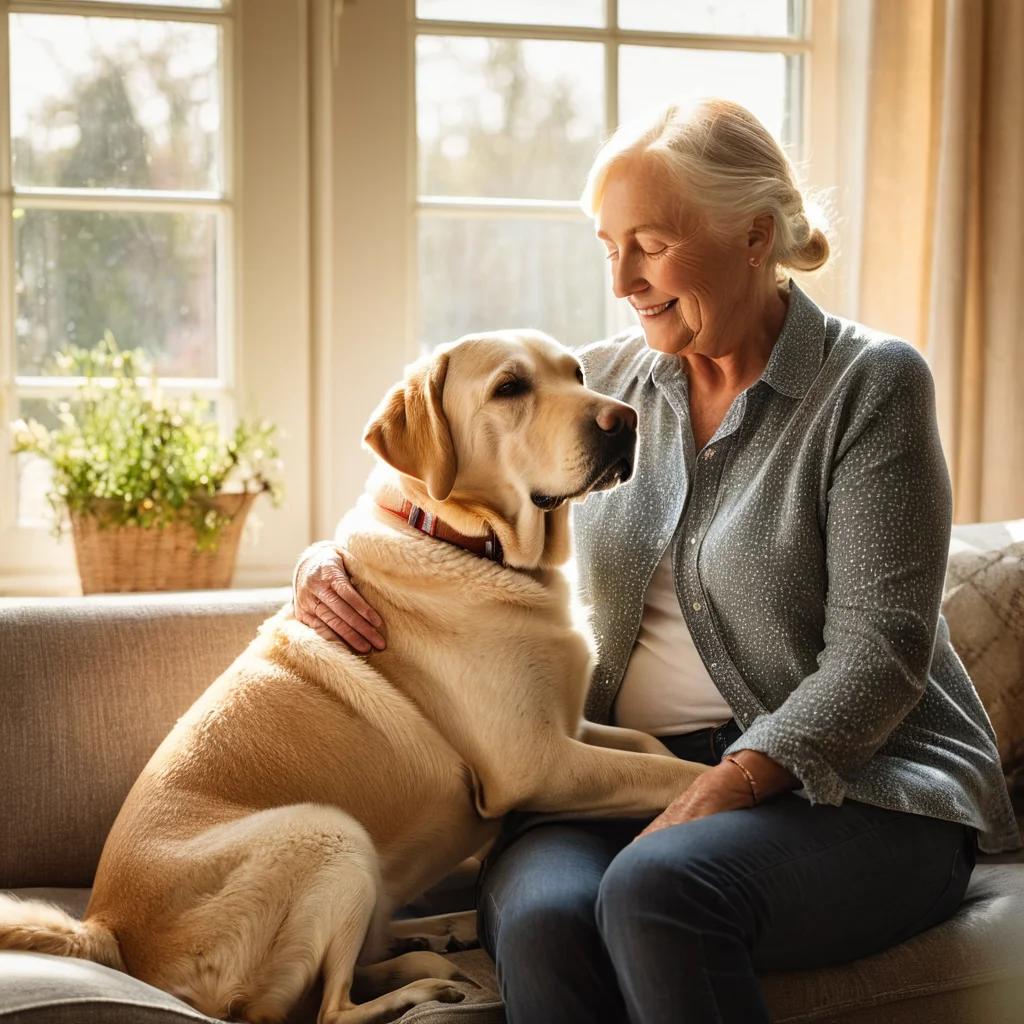

When you hear the words "my pet has cancer," the world suddenly shrinks. But thanks to advances in veterinary oncology, cancer in dogs and cats is no longer an automatic ending. Many tumor types that are caught early and managed properly can be treated successfully. This article covers the most common cancer types, the signs that can help you catch it early, the diagnostic process, treatment options and your role as an owner.
Cancer diagnosis and treatment are entirely a matter of veterinary expertise; this article is for awareness and day-to-day monitoring.
1. The Most Common Cancer Types in Dogs and Cats
- Dogs: Mast cell tumor (skin), lymphoma, mammary tumor (in unspayed females), osteosarcoma (bone), hemangiosarcoma (blood vessels).
- Cats: Lymphoma (the most common), oral squamous cell carcinoma, fibrosarcoma (injection site), mammary tumor.
Every cancer type behaves differently; the choice of treatment depends on the type, stage and location.
2. Catching It Early: 12 Warning Signs
- A new lump or swelling, under or on the skin.
- Growth or color change in an existing lump.
- A sore that won't heal.
- Unexpected weight loss or loss of appetite.
- Abnormal bleeding or discharge (mouth, nose, ears, rectum, urine).
- Ongoing lethargy.
- A sudden increase in drinking and urination.
- Difficulty swallowing, bad breath.
- Persistent limping.
- Difficulty breathing.
- Chronic vomiting or diarrhea.
- Noticeable swelling in the belly.
If you notice 2 or more signs, do not put off a vet appointment.
3. The Diagnostic Process
- Physical exam and history.
- Blood tests (CBC and biochemistry) to check overall health and organ function.
- Fine needle aspiration (FNA): A first look at the cell type of a lump.
- Biopsy: The definitive type and grade.
- Imaging: X-ray, ultrasound, CT and MRI to check for spread.
- Cytology: Fluid, lymph nodes, body cavities.
If an oncology consultation is recommended, pets are usually referred to referral vet clinics in large cities.
4. Treatment Options
Surgery
The first choice for localized tumors. Most mast cell tumors, mammary tumors and skin tumors can be removed successfully with surgery at an early stage. Removing a wide "margin" (healthy tissue) around the tumor lowers the risk of recurrence.
Chemotherapy
Chemotherapy in dogs and cats has far fewer side effects than in people; the goal is to extend both lifespan and quality of life. It is standard for systemic cancers such as lymphoma. Side effects like vomiting and lethargy are mild in 10-25% of cases.
Radiation Therapy
Available at a limited number of centers in Türkiye. Used for tumors that cannot be removed surgically or that come back.
Immunotherapy and Targeted Therapy
For some cancer types (mast cell tumor, lymphoma), newer targeted drugs are available; these are long-term maintenance treatments.
Palliative Care
If treatment is not possible, quality of life comes first: pain control, nutrition, affection and quality time. It is a hard decision for an owner, but the right care means extending a dignified life.
5. The Owner's Role: What Can You Do?
- Monthly home check: Run your hands over your pet's whole body to feel for lumps. A new swelling means a vet appointment.
- An annual full checkup (every 6 months for cats and dogs over 7).
- Vaccines and spaying/neutering: Spaying female dogs and cats early clearly lowers the risk of mammary tumors.
- Nutrition: Quality protein and foods rich in antioxidants. Highly processed, low-quality food is a long-term risk factor.
- Environmental toxins: Limit exposure to cigarette smoke (nasal cancer in dogs), pesticides and asbestos.
- Follow-up under veterinary care: On the treatment journey, the owner is the most important member of the team.
6. Quality of Life Scale
With advanced cancer, the owner and the vet weigh the question "how much longer?" together. Standard tools such as the HHHHHMM scale (Hurt, Hunger, Hydration, Hygiene, Happiness, Mobility, More good days) can help. This is not a decision you have to carry alone; your vet is your guide.
7. Costs and Insurance
Cancer treatment can be financially heavy. Estimated costs vary widely depending on the vet clinic and the type of treatment. Key points:
- Pet insurance is an investment when taken out early; applications made after a cancer diagnosis are declined.
- Ask your vet about treatment costs in advance, along with payment plan options.
- Palliative care can cost somewhat less than treatment, and it is valuable for protecting quality of life.
8. Frequently Asked Questions
I found a tumor on my cat or dog. Is it always "scary"?
No. A large share of tumors are benign (lipoma, papilloma, cyst). But only a fine needle biopsy result can say this for sure; you cannot tell by looking. Every new lump should be examined.
Is chemotherapy very hard on dogs and cats?
It has far fewer side effects than in people. Most animals keep up their normal activity during chemotherapy. Hair loss only happens in some breeds (those with continuously growing coats, like Poodles).
Does removing the tumor prevent it from coming back?
"Wide margin" surgery greatly lowers the risk of recurrence. Some tumor types (grade 3 mast cell) call for surgery combined with chemotherapy. The veterinary oncologist makes the plan.
My dog is old. Is treatment worth it?
Age, overall health and tumor type are weighed together. For some older animals, palliative care is a better decision than aggressive treatment. Your vet shares this journey with you.
Which breeds are at higher risk?
Dogs: Boxer (mast cell, heart), Golden Retriever (hemangiosarcoma, lymphoma), Bernese Mountain Dog (histiocytic sarcoma), Rottweiler (osteosarcoma). In cats, breed-based predisposition is less pronounced, but Sphynx and Oriental breeds are predisposed to some types.
What role does nutrition play in cancer treatment?
Animals with cancer lose weight and muscle; high-quality protein and omega-3 fatty acids are supportive. An individual plan should be made under the guidance of a veterinary nutritionist.
I noticed a lump that isn't urgent but seems "suspicious."
If you are wondering whether it can wait 1-2 weeks: no. Book a vet exam and, if needed, an FNA. Waiting weeks or even months can mean missing the chance to catch it at an early stage.
Final Word
A cancer diagnosis in your pet may sound devastating, but in a large share of cases caught early, a good quality of life can continue. A monthly home check, an annual vet checkup and early action are the most powerful steps you can take as an owner.
If you keep your treatment plan, medication times and vet checkup dates in DoldurKabı Pet Health Tracking, you can manage a hard process in an organized way.
This guide is for information only; diagnosis and treatment always remain under the expertise of a veterinary oncologist.









