


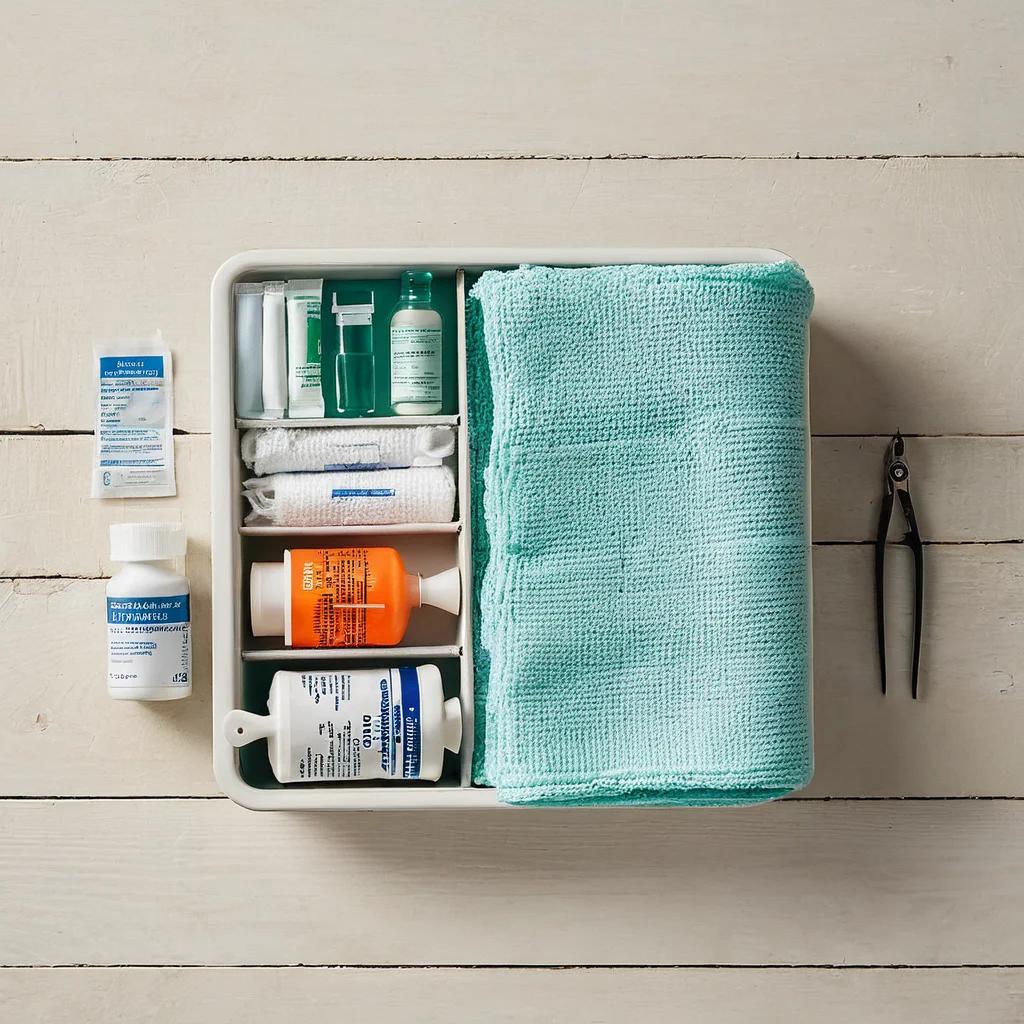

The moment you have a cat or dog, a quiet box sitting at home can become a lifesaver: a first aid kit made for pets. When a paw gets cut, when an ear swells and bleeds, or during a physical crisis, having the right supplies within reach in the first 10 minutes on the way to the vet turns panic into decisive action. In Türkiye, pet first aid kits are not yet a standard product on the shelves, so putting one together yourself is both cheaper and tailored to your needs.
This guide covers the 22 essential supplies people actually use for a cat or dog at home (with a few small extras for exotic pets), how to store them properly, and the 3 steps to follow in an emergency. It does not replace vet-certified first aid training. If you are thinking about that too, you can ask the vet clinics in your area.
1. Why Preparing Ahead Matters
During an accident, an illness or a swallowing incident, every minute you spend figuring out what to do is a risk. Getting to the vet often takes 15-40 minutes. On the way, stopping bleeding, giving fluids, checking temperature, and preventing or inducing vomiting: the kit often decides the difference between life and death. According to ASPCA Animal Poison Control data from the US, the owner's correct first response meaningfully increases the survival rate of the animals that make it to care.
Important: a first aid kit does not replace a vet. The goal is "to keep the animal alive until you get there and not make things worse."
2. The Backbone of the Kit: 10 Basic Supplies
None of these should ever be missing from a kit:
- Sterile gauze pads (10x10 cm, 10 pieces): To cover a wound and apply pressure to bleeding.
- Bandage (elastic bandage, 5 and 10 cm): Two different sizes for wrapping paws and the body.
- Non-stick pad (Telfa-type): Keeps an open wound from sticking to the bandage.
- Adhesive medical tape (paper or fabric): Holds the bandage in place.
- Blunt-tip scissors: For cutting fur and bandages. Do not use pointed ones; they are a risk with a panicked animal.
- Tweezers: For removing thorns, splinters and ticks (a dedicated tick remover is even better for ticks).
- Digital thermometer + petroleum jelly: For rectal readings. Normal for dogs: 38.3–39.2 °C; for cats: 38.0–39.2 °C.
- Plastic dosing syringe (needleless, 10 ml): For giving fluids or salt water for vomiting.
- Microfiber towel or blanket: For restraining, warming and calming.
- Gloves (sterile): For hygiene and against the risk of being bitten.
3. Medications and Antiseptics: 6 Items
- Chlorhexidine 2% solution or povidone-iodine (Batticon): Among the safest antiseptics for cleaning wounds. Alcohol and hydrogen peroxide irritate pets' tissue and are not preferred.
- Saline solution (0.9% NaCl, 100 ml): For rinsing eyes, flushing wounds, and fluid loss in the cold.
- 3% hydrogen peroxide (for dogs only, be careful!): Only with vet approval, and only to induce vomiting in certain poisonings. It is not used for cats. Never give it without first asking 1813 (there is no Turkish equivalent of ASPCA Animal Poison Control, so call a local vet) or your own vet.
- Activated charcoal (250 mg tablets): Again, only on a vet's instructions, as an adsorbent in some poisonings.
- Sterile wound gel (with silver or hyaluronic acid): For scrapes and small burns.
- Paw balm (shea/calendula): For cracked paw pads and mild irritation.
Important note: Never give your pet painkillers meant for people (paracetamol, ibuprofen, aspirin). Paracetamol is deadly for cats. Even for dogs, never without a vet's prescription.
4. Supplies for Special Situations: 6 Items
- Elizabethan collar (E-collar): Stops your pet from licking a wound. Keep one in the right size in the kit.
- Compression band (tourniquet alternative): For severe bleeding on the way to the vet. It is hard to apply without training, so use it only as a last resort.
- Emergency blanket (mylar/foil type): Preserves body heat in shock (50 g, folds small).
- Hot-cold compress gel pack: For swelling, heatstroke and small burns.
- Small light (a mini flashlight): For checking the pupil reflex and for nighttime conditions.
- Pet carrier (outside the kit, but ready): To head out quickly in an emergency.
5. How Should You Store the Kit?
The storage formula is simple: "visible, dry, reachable".
- Keep it in a hard plastic box; supplies scatter in a soft bag.
- Label the box on top: "Pet First Aid, Emergency Phone: 0XXX".
- Keep it somewhere easy to reach, like a bedside cabinet, a pantry entry shelf or a bottom drawer in the entryway. A high shelf is the place you lose in a panic.
- If you have kids, keep it locked but reachable (especially the medication part).
- Make a half-size pocket kit as a vacation/travel version, for the glove compartment or a suitcase pocket.
6. The 3-Step Emergency Protocol
- Make sure you are safe. An animal in pain will bite, even the gentlest one. Put on gloves and wrap it in a towel if needed.
- Quickly check for signs of life. Is it breathing? Are the gums pink (purple/gray = no oxygen)? Is there a pulse (femoral artery, felt on the inner thigh)? 30 seconds is enough.
- Call the vet and get going. On the phone, briefly describe the situation, your pet's age, species and breed, and any known illnesses. Let the clinic get ready.
Follow these three steps in the same order in every emergency. Once your brain gets used to the protocol, the panic drops.
7. Extra Items for Cats, Dogs and Exotic Pets
Cats only: Hairball relief gel, and a small plastic bag (for carrying a litter or urine sample for testing).
Dogs only: They are social creatures, so bring treats and a favorite toy. A leash and muzzle for control (risk of biting in a panic).
Exotic pets (birds, rabbits, hamsters): A heat mat, cotton pads and a small plastic dropper. Stress can be deadly for exotic pets, so keep transport time as short as possible.
8. How Often Should You Restock?
- Every 3 months: Empty the whole kit and take inventory. Opened supplies like saline solution are thrown out after 30 days.
- Every 6 months: Check the expiration dates on all medications.
- Yearly: Change the thermometer battery and replace the gauze.
If you set up a "First Aid Restock" reminder in DoldurKabı Pet Health Tracking, you get an automatic notification, so there is no need to keep a paper list.
9. Contact Details You Should Have
Stick a card on the lid of the kit. It saves lives when your phone is locked:
- Your family vet's phone number (landline + mobile).
- A 24/7 emergency vet clinic in your area.
- Your pet's microchip number, breed, age and weight (for dose calculations).
- Known allergies / chronic illnesses.
- Current medications (if any).
10. Frequently Asked Questions
Should I buy a ready-made first aid kit or put one together myself?
Most ready-made kits include the basics, but they cannot be customized to your pet's breed, your home or their current health. Putting one together yourself is both economical and tailored to your needs. Even if you buy a ready-made kit, compare it with the list in this guide and fill in what is missing.
Can I give hydrogen peroxide to my dog who ate chocolate?
Only if a vet approves it on the phone. Inducing vomiting is right in some poisonings like xylitol, grapes or macadamia nuts, but after swallowing a corrosive substance (bleach, acid), vomiting causes additional burns. Always call first, then act.
Is a human painkiller acceptable in an emergency?
No. Even a single paracetamol tablet is deadly for cats; ibuprofen and aspirin cause stomach bleeding and kidney damage in dogs. Until you reach the vet, a cold compress and a calm environment are the only safe ways to ease pain.
Can my cat and dog share the same kit?
Yes, most supplies are shared. Just label the dose differences (weight-based) and the "fine for dogs but forbidden for cats" items (like hydrogen peroxide) in a separate pouch.
Should I take a first aid course?
In Türkiye, certified pet first aid courses like those from the Red Cross are still rare, but some vets organize group workshops. You can ask a vet near you. Even without a certificate, watching basic CPR videos online makes a big difference.
Final Word
Put your first aid kit together today. Putting off being prepared until tomorrow is not taking a risk because nothing has happened to you yet; it is not caring about a moment in your future. 30 minutes of gathering + 20 minutes of reviewing the list = a furry friend's life.
This guide is for informational purposes; in an emergency, always contact your vet or the nearest emergency animal clinic first.









