


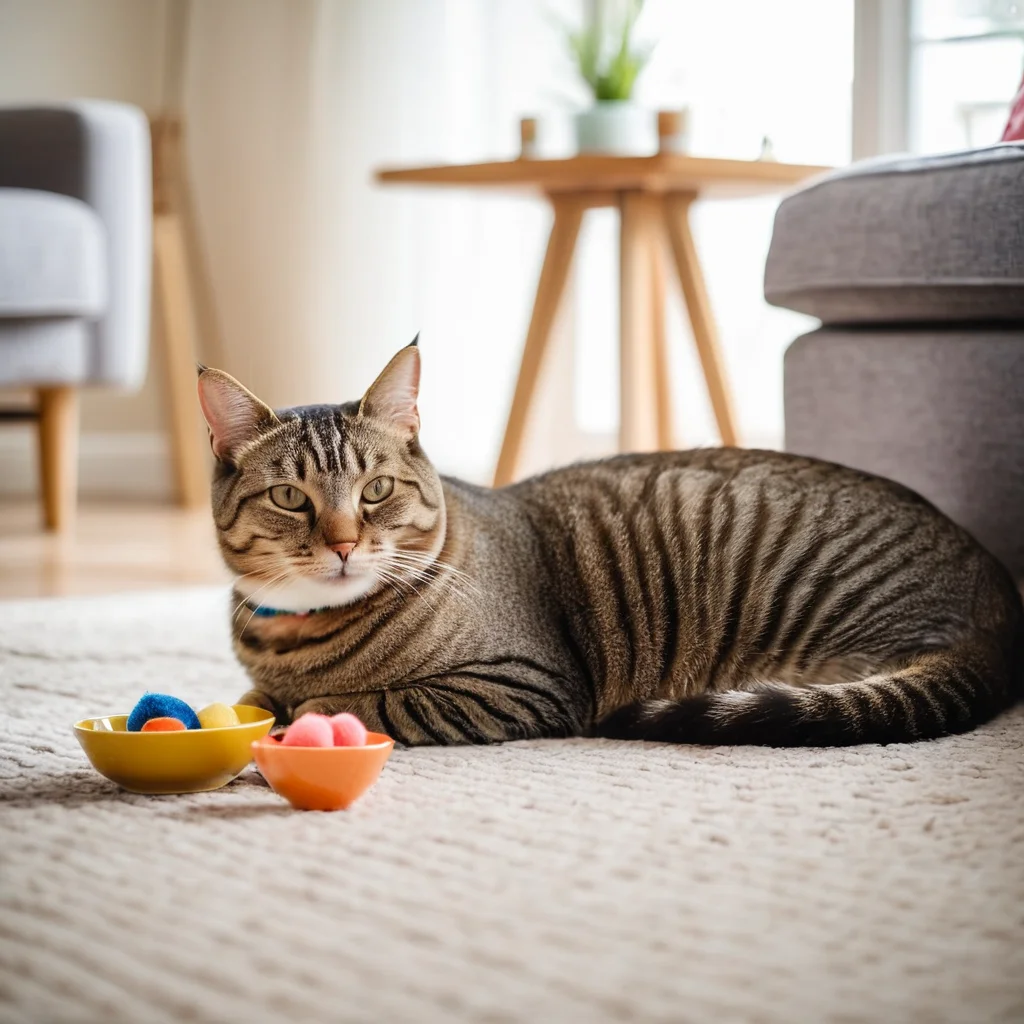

When cat owners plan a vacation, the first question that usually comes to mind is: "What about my cat?" Taking them along means the stress of a long trip for most cats, and boarding is a place full of unfamiliar smells and animals they don't know. A third option has become more and more common in recent years: leaving the cat in its own home and having a reliable sitter come by regularly to look after it.
The logic behind this is simple. Cats bond with the place they live as much as with their owners. Their own scent, their lookout spot by the window, the feeding time they are used to... All of these build a cat's sense of security. When the surroundings change, that feeling gets shaken, and stress signs such as loss of appetite, hiding and litter box problems can appear.
On the other hand, choosing the person you will trust with your house key and your beloved companion is something to take seriously. In this guide, we walk you step by step through the 10 questions to ask a sitter candidate, what to watch for during the meet-and-greet visit and the instruction list to leave for the sitter.
Why Do Cats Prefer to Stay in Their Own Home?
Cats are territorial animals. They mark the space they live in with their scent glands, memorize every corner and build their days around a set routine. So while moving a cat to another home or to boarding may look like "a short vacation" through human eyes, for the cat it means its safe territory has suddenly disappeared.
The concrete advantages of in-home care are:
- The routine stays intact: Feeding time, the litter box location and the armchair they sleep on all stay the same.
- Sources of stress go down: Unfamiliar animal smells, the carrier and the car ride are taken out of the equation.
- The risk of contagious disease drops: The close contact that is unavoidable in group housing disappears.
- Your home is looked after too: As the sitter comes and goes, they can water the plants and keep the house from looking empty for a long time.
10 Questions to Ask a Sitter Candidate
During the interview, ask the questions below in order and write down the answers. Don't push on with candidates who can't give clear, concrete answers; a sitter who takes the job seriously won't be caught unprepared by any of these questions.
- How much experience do you have with cats? Find out how many years they have been pet sitting, whether they have a cat of their own and whether they have worked with kittens, senior cats or cats with chronic conditions.
- What is your plan in an emergency? Make clear what the sitter will do if your cat gets sick or escapes: which vet to go to first, in what order they will try to reach you, and whether they know the nearby on-duty clinics.
- Will you send a daily report? A sitter who reports on food, water and the litter box with a photo or short video at every visit lets you enjoy your vacation in peace. Agree on a report time in advance.
- How do you keep the key secure? The key should not carry any address information, and the moments of handover and return should be recorded by message. If you use a smart lock, setting up a temporary code is another option.
- How long does a visit last and what do you do? A sitter who just puts out food and leaves is not enough. Ask how much time goes to cleaning the litter, fresh water, play and socializing.
- Do you have experience giving medication? If your cat takes pills, eye drops or regular injections, the sitter must have done this before. If needed, try it together during the meet-and-greet visit.
- Can you give references? Ask for feedback from cat owners they have worked with before. Hearing about real experience is more convincing than anything on paper.
- If you can't come, who will step in? Find out their backup plan in case the sitter gets sick or has an urgent matter come up. You may also want to meet the backup person in advance.
- What will you do if my cat hides and you can't see it? Shy cats vanish when a stranger comes over. A good sitter makes sure the cat is fine by tracking food and water intake and changes in the litter box; if there is no sign at all, they let you know right away.
- Will you agree to communicate with my vet? In an emergency, being able to talk directly with your vet saves the sitter a lot of time. Also let your vet know your vacation dates and the sitter's name ahead of time.
Don't Skip the Meet-and-Greet Visit
No matter how well the messaging and phone call go, always invite the sitter to your home before you decide. This visit tests two things at once: how the sitter approaches your cat and how your cat reacts to the sitter.
During the visit, pay attention to the following:
- Does the sitter wait for the cat to approach instead of reaching straight for it?
- Do they ask you questions? An attentive sitter wants to know about the cat's temperament, fears and health history.
- Do they take notes when you show them the food cupboard, litter box, carrier and hiding spots?
If possible, also plan a trial visit before your vacation: while you are still in town, have the sitter come once and carry out the routine alone. That way you will have tested the key handover, the flow of the visit and the reporting under real conditions.
The Instruction List to Leave for Your Sitter
Spoken instructions get forgotten; put everything on a single written page and stick it on the fridge door. The list should include:
- Feeding: The pet food brand, daily amount, meal times and foods that must not be given.
- Water and litter: Where the water bowl is, how often the litter should be cleaned, where the spare food and litter are kept.
- Medications: Medication times if any, how they are given and a photocopy of the vet's written instructions.
- Contacts: Your number, a backup person to call if you can't be reached and your vet's name and phone number.
- The cat's habits: Where it hides, its favorite toy, what it is afraid of, whether it likes being picked up.
- House rules: Windows and balcony doors that must not be left open, rooms that are off-limits, lock or alarm information.
- Emergency consent: Your written consent for veterinary treatment if you can't be reached, plus the spending limit you set.
Where Can You Find a Reliable Cat Sitter?
Recommendations from people you know are always valuable, but your circle may not be available on every date. In the Pet Services section of the DoldurKabı app, you can browse the profiles of people offering in-home cat care, look at their experience and the reviews they have received, create your request and choose the right one from the quotes you get. You can download the app here.
The other side of the coin applies too: if you are experienced in caring for cats and want to turn that into extra income, you can apply to offer your services through DoldurKabı.
Frequently Asked Questions
How many times a day should the sitter come?
For a healthy adult cat, one visit a day is often enough; two visits protect both the feeding routine and socializing better. For kittens, senior cats and cats on regular medication, two visits a day or overnight care should be considered. If your cat has a specific health condition, decide on visit frequency with your vet.
My cat is very shy. Is it a problem if it never sees the sitter?
No, this is quite common. What matters is that the sitter regularly tracks food and water intake and changes in the litter box. If your cat leaves no trace at all, meaning the food hasn't been eaten and the litter hasn't been used, the sitter should let you know right away and contact your vet if needed.
Is it OK to use cameras at home?
A camera can be a good support for watching your cat remotely and putting your mind at ease. But honesty comes first: tell the sitter in advance that there are cameras and where they are. This transparency builds mutual trust; a sitter who does the job properly won't be bothered by a camera.
How far in advance should I book a sitter?
Demand rises quickly during summer and holiday periods. Since the meet-and-greet and trial visit also take time, starting your search a few weeks before your vacation lets you compare options and decide without rushing.









