
When you plan a short business trip, a wedding, or a long vacation, the first decision for your dog is usually where the care will happen. But once you decide on in-home care, a second question comes up: should the sitter stop by a few times a day and leave, or stay overnight with your dog?
There is no single answer that fits everyone. Two visits a day can be plenty for one dog, while another may bark until morning when left alone at night. In this post we go through the options one by one and explain how you can decide based on your dog's personality and your home setup.
Get to know the options first
Daily drop-in visits
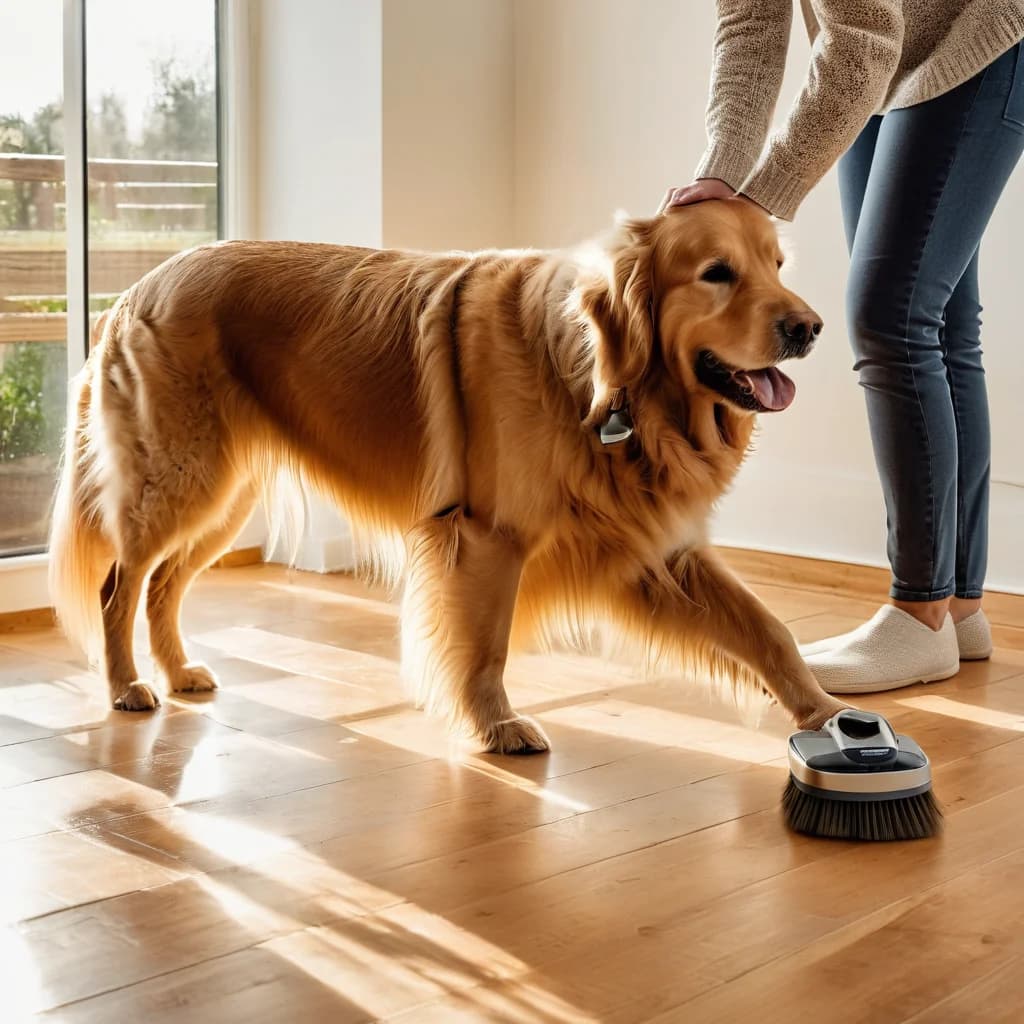
The sitter comes to your home at set times during the day; they give food and water, take your dog out to potty, do a short walk or some play, and leave. Your dog spends the rest of the day and the night alone at home. Staying in its own space gives your dog a familiar routine.
Half-day care
The sitter spends a few hours of the day with your dog. This can be a middle-ground option, especially for dogs that struggle with being alone for long stretches during the day but sleep calmly at night.
Overnight care
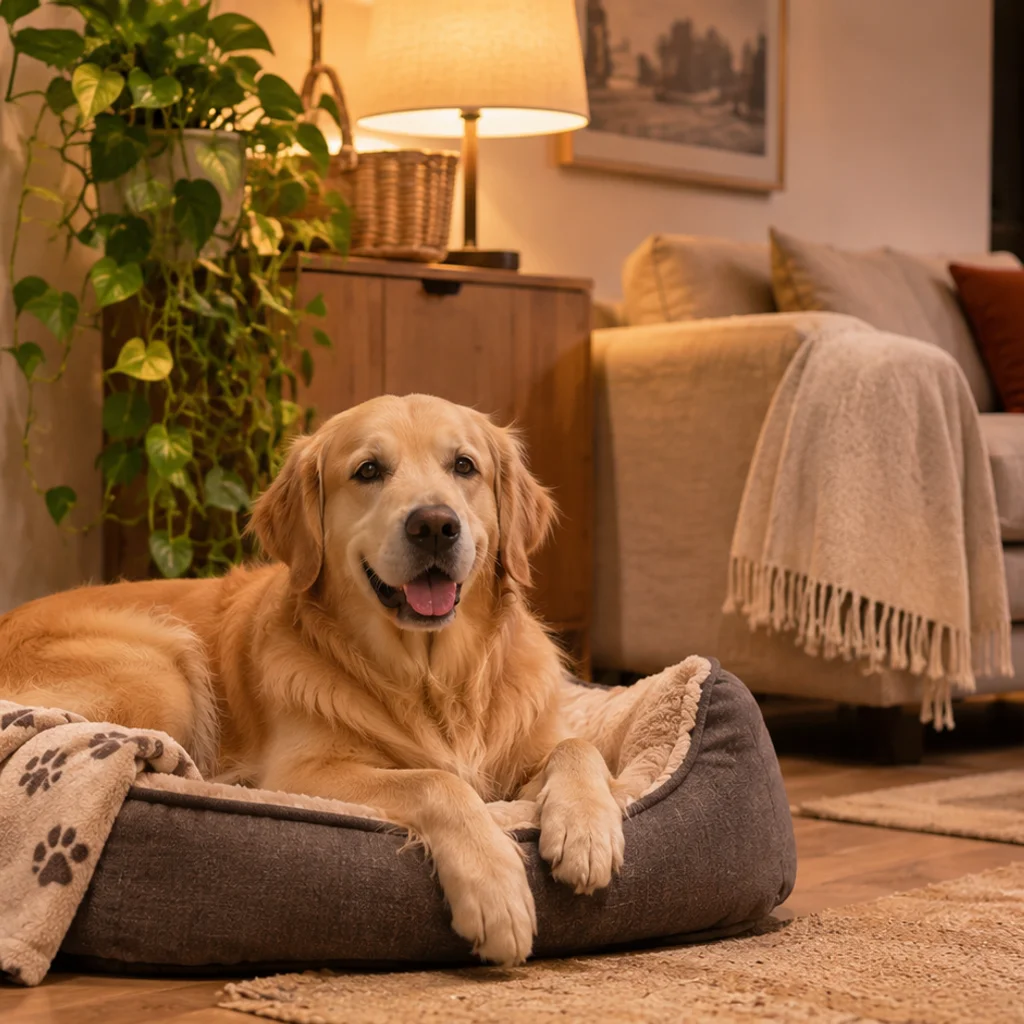
Your dog is not alone at night either. This can work in two ways: the sitter stays at your home, or your dog stays at the sitter's home. In the first, your dog keeps its own surroundings; in the second, it has to get used to a new home, but the sitter is with it all the time.
Pet hotel
Another option outside in-home care is a pet hotel. If you want to see registered hotels with their locations and services, you can check out the pet hotel page. This post focuses mainly on in-home care options.
Decide based on your dog
Your dog makes most of this decision. Answering the questions below honestly makes the choice clearer.
How used to being alone is your dog?
A dog that waits calmly for hours while you are at work may do fine with daily visits. For a dog that cries the moment the door closes, chews things, or barks nonstop, long hours alone are hard. For dogs that show signs of separation anxiety, overnight care may be a better fit.
How old is your dog?
Puppies need to go out to potty often, and when left alone they set out to explore everything. Senior dogs may need potty breaks at night, medication at set times, or help on the stairs. At both ends, having someone there at night makes things easier.
What is its energy level?
A high-energy dog that does not move enough during the day will burn off that energy in the house. If you choose daily visits, setting aside one of the visits for a long walk helps. You might also consider adding dog walking to the care plan for this.
Health and medications
For a dog that takes medication several times a day, has a special diet, or needs close monitoring, the gaps between visits are critical. Check whether the medication times fit into the visit times; if they do not, overnight care is safer.
What is your dog like at night?
Some dogs sleep soundly all night, while others get up and run to the door at the smallest sound. If your dog wakes up often at night, barks at noises from outside, or wants to go out to potty toward dawn, being alone all night wears out both your dog and the neighbors. For a dog that wants to sleep next to your bed even when you are home, having someone there at night softens the separation too. For dogs like these, it makes sense to consider overnight care first.
Decide based on your home
Your home setup affects the decision as much as your dog does.
- Neighbors: If you live in an apartment and your dog barks when alone, barking that goes on for several nights can cause trouble with the neighbors.
- Escape risk: If there is a yard gate, a balcony, or a dog that knows how to open doors, unsupervised hours carry risk.
- Length: For short separations of a day or two, daily visits are enough for most dogs, but on long vacations the same routine can wear a dog out with loneliness.
- Other pets at home: If you also have a cat, drop-in care can meet both of their needs together.
Questions to ask if your dog will stay at the sitter's home
If your dog will stay at the sitter's home, it is important to get to know that home. Ask:
- Are there other dogs, cats, or children in the home?
- Where will your dog sleep at night?
- Will there be hours during the day when it is left alone?
- Are the balcony, yard, and doors secure so your dog cannot get out?
- Where and how often will walks happen?
A quick decision summary
Once you have answered the questions above, the picture usually becomes clear. Roughly, you can think of it like this:
- Daily visits: For healthy adult dogs that are used to being alone and sleep calmly at night, and for short separations.
- Half-day: For dogs that struggle with long stretches alone during the day but have no trouble at night.
- The sitter stays at your home: For dogs that are affected by a change of surroundings, have separation anxiety, are senior, or take medication.
- Your dog stays at the sitter's home: For dogs that adapt easily to new places, love human company, and would be at risk if left unsupervised at home.
This summary is a starting point. No one knows your dog's habits better than you do; if an option does not feel right, you can always talk with the sitter and look for something in between.
Staying in touch during care
Whichever option you choose, talking about how you will keep in touch before care begins will put your mind at ease. A short message after each visit or at the end of each day is enough to tell you whether the food was eaten, whether potty was normal, and how your dog is doing overall. Say up front whether you want photos. If there will be hours when you cannot be reached, for example during a flight, let the sitter know and leave the number of someone close to you for those hours. That way the sitter does not have to wait for you over a small question.
A short meet-and-greet first
Whichever option you choose, having the sitter and your dog meet beforehand reduces separation stress. The sitter sees your dog's walking habits, and your dog gets to know the sitter's scent. With overnight care, doing a half-day trial before a long stay puts both you and your dog at ease. If your dog seems tired but calm at the end of the trial, that is a good sign.
Prep list
- Feeding times, portions, and walking habits written down in a note
- Any medications, with their times and how to give them
- Your vet's phone number and an emergency contact
- A sturdy collar, an ID tag, and up-to-date contact information
- Your dog's bed, blanket, and favorite toy
- Enough food, plus a few days' extra
Finding a dog sitter on DoldurKabı
On DoldurKabı's in-home dog sitter page, you can choose your city and look at the profiles of sitters near you. When you send a request, you specify the dates and the service you want: daily visits, half-day, or overnight care. You can also send your request from the page without downloading the app. The details of the service, the fee, and payment are agreed on through a conversation between you and the sitter.
Frequently Asked Questions
How many visits a day are enough?
It depends on your dog's age, how often it needs to potty, and how used it is to being alone. Most adult dogs need more than one visit; for puppies and senior dogs, the gaps may need to be even shorter. Decide by talking through your dog's daily routine with the sitter.
Can my dog stay with another dog at the sitter's home?
It is possible if your dog gets along well with other dogs. Still, a short meet-and-greet beforehand is needed, and the sitter should watch the two dogs closely during the first days.
Is overnight care always better than drop-in care?
No. For a calm dog that is used to being alone, drop-in care in its own home can be a perfectly good fit. What matters is that the option matches your dog's needs.
What should happen if my dog does not eat during care?
Appetite may drop a little in the first days of a separation. If the loss of appetite goes on, or if vomiting, diarrhea, or lethargy come with it, the sitter should call you and your vet; talk about this before care begins.