


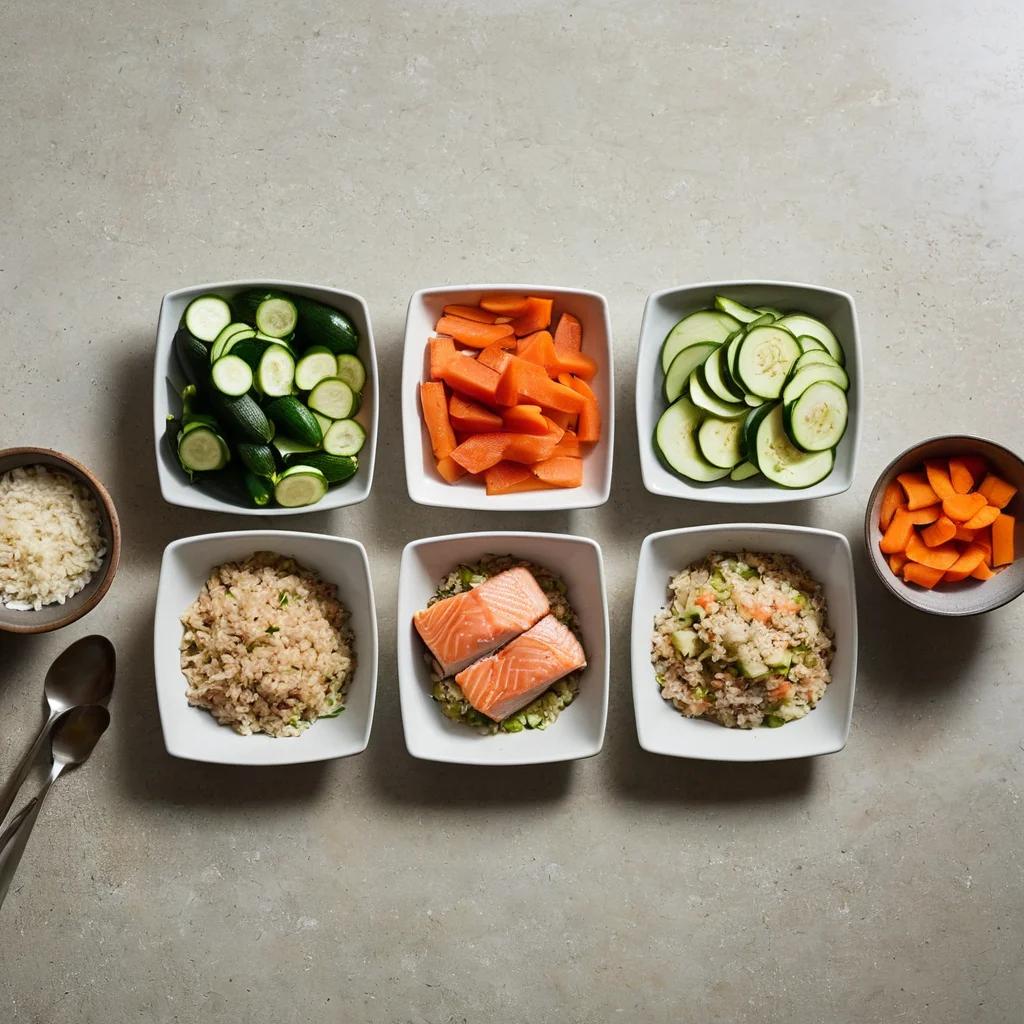

Making your dog's food at home (a home-cooked meal of lean chicken, rice and vegetables instead of commercial pet food) is an appealing option, especially for owners whose dogs have allergies or who don't want to depend on store-bought food. But the myth that "home-cooked = automatically healthy" is dangerous: a dog's nutritional balance is different from a person's. Homemade food prepared under the guidance of a veterinary nutritionist can be great. Food thrown together at random, on the other hand, creates long-term health risks through nutrient deficiencies or excesses.
This article covers when homemade food makes sense, the right nutrient ratios, 5 vet-approved basic recipes and common mistakes. Important: Before you start any recipe, talk to your vet about your own dog's age, weight and health.
1. When Does Homemade Food Make Sense?
- Allergy or sensitivity to commercial food, especially protein-related allergies.
- A preference for ingredients whose quality you can track.
- The owner has the time and budget: preparing homemade food regularly takes 2-3 hours a week plus shopping.
- When a veterinary nutritionist is supervising.
Otherwise, a quality commercial food is the safer choice: its nutritional balance is standardized and production is monitored.
2. The Right Nutrient Ratios for Dogs (General)
For a healthy adult dog, the daily meal looks roughly like this:
- Protein: 50%: chicken, turkey, fish, lean beef.
- Carbohydrates: 25%: cooked brown rice, sweet potato, oats.
- Vegetables: 20%: carrots, zucchini, broccoli, peas.
- Fat: 5%: salmon oil, fish oil.
- Supplements: A multivitamin plus calcium plus omega-3, as recommended by a veterinary nutritionist.
These ratios are general. They differ for puppies and for pregnant, senior or sick dogs.
3. 5 Vet-Approved Basic Recipes
Important warning: The recipes below are a reference for a generally healthy adult dog. Portions and ratios should be adjusted by your vet to fit your own dog's weight and health.
Recipe 1: Classic Chicken + Rice (Sensitive Stomach)
- 200 g cooked chicken breast (lean, unseasoned, chopped)
- 100 g cooked brown rice
- 50 g cooked carrots (small pieces)
- 1 teaspoon fish oil
- Vitamin/mineral supplement recommended by your vet
A formula vets often recommend for dogs with sensitive stomachs. On its own, it's a 1-2 day recovery recipe; it isn't enough as a long-term, everyday diet by itself (it lacks B vitamins).
Recipe 2: Turkey + Sweet Potato (Dogs with Allergies)
- 200 g cooked turkey breast (ground)
- 120 g cooked sweet potato (mashed)
- 50 g cooked peas + zucchini
- 1 teaspoon olive oil
- Multivitamin supplement (prescribed by your vet)
Turkey is a common alternative protein for dogs with a chicken allergy.
Recipe 3: Lean Beef + Oats (Active Dogs)
- 200 g lean ground beef (cooked)
- 100 g cooked oats
- 50 g cooked spinach + carrots
- 1 teaspoon fish oil
- Supplement
Recipe 4: Salmon + Brown Rice (Omega Support)
- 150 g cooked salmon (boneless, unseasoned)
- 100 g brown rice
- 50 g broccoli + zucchini (cooked)
- Supplement
Omega-3 support for dogs with skin and coat problems.
Recipe 5: Egg + Rice (Budget Classic)
- 2 whole hard-boiled eggs (shelled)
- 120 g cooked rice
- 50 g carrots + peas
- Supplement
Eggs are a low-cost, complete protein source. Always cooked, never raw: raw egg contains avidin, which blocks the absorption of a B vitamin.
4. Cooking and Storage Rules
- All meat cooked. Raw meat carries a risk of salmonella, E. coli and parasites. The BARF diet is a separate debate; don't start it without a veterinary nutritionist's supervision.
- No spices, onion or garlic at all.
- Only a little fat: 1 teaspoon of olive oil or fish oil is enough; too much triggers pancreatitis.
- Vegetables cooked and chopped: dogs can't digest raw vegetables.
- Storage: Keep 3 days' worth of portions in the fridge and the rest in the freezer. Use within 24 hours after thawing.
5. 7 Common Mistakes
- Skipping supplements. Meat and rice alone fall short over time; vitamins and minerals are a must.
- Always the same protein. Add variety: not only chicken, but rotate in turkey, fish and eggs too.
- Giving raw bones. Some owners give raw meat plus bones; this shouldn't be done without a veterinary nutritionist's supervision (risk of splinters, parasites and unbalanced calcium).
- Too much fat. Adding chicken skin, tail fat or meat fat triggers pancreatitis.
- Human leftovers. Rice cooked with onion or spiced meat causes poisoning and digestive problems in dogs.
- Portions without a scale. Eyeballing amounts means overfeeding or underfeeding in the long run.
- Switching suddenly. Move from commercial food to homemade food gradually over 7-10 days.
6. Commercial Food vs Homemade Food: A Comparison
| Commercial | Homemade | |
|---|---|---|
| Nutritional balance | Standardized, AAFCO/FEDIAF approved | Up to the owner, needs a veterinary nutritionist |
| Cost | Premium: 30-60 Turkish lira/day | Meat + vegetables + supplements: 40-80 Turkish lira/day |
| Time | Instant | 2-3 hours a week |
| Variety | Depends on the food | Managed by the owner |
| Allergy management | Special formulas available | Controlled by the owner |
Ideally it's not one or the other: the owner and the vet decide together.
7. Differences by Age and Health Condition
- Puppies: A different calcium/phosphorus ratio than adults. Without a veterinary nutritionist's support, homemade food can cause bone development problems in puppies.
- Senior dogs: Less protein and fat, more fiber. Low phosphorus if there are kidney problems.
- Pregnancy/lactation: 50% more calories; a standard recipe isn't enough.
- Diabetes: A consistent carbohydrate ratio is critical; mealtimes are synced with insulin times.
- Kidney disease: Low phosphorus, moderate protein. For these conditions, a prescription diet is safer.
8. Frequently Asked Questions
Is it enough to give my dog only meat?
No. Meat alone lacks calcium, fiber and some vitamins. Over time it causes skeletal and digestive problems.
Is a raw diet (BARF) safe?
BARF has its advocates and its critics. BARF without a veterinary nutritionist's supervision is a serious risk, and the real scientific benefit isn't clear. Ask your vet before you begin; don't switch on your own.
Can I give commercial food along with homemade food?
Yes, mixed feeding is common, as long as a veterinary nutritionist checks the overall nutritional balance. Plain pieces of meat given as a "snack" shouldn't exceed 10% of daily calories.
Are supplements required?
Yes, for long-term homemade feeding. Otherwise micronutrient deficiencies develop. Your vet will recommend specific supplements based on your dog's age, weight and health.
How do I calculate portion size?
A vet formula: the dog's weight in kg × 30 + 70 = daily calories (roughly, for a sedentary adult). The multiplier is different for active dogs. Your vet will calculate the exact amount for your dog.
My dog refuses homemade food.
This can happen if the switch was sudden or if there's always just one flavor. Slowly reduce the commercial food while increasing the homemade food (7-10 days). Try rotating proteins for variety.
What's a good way to store homemade food?
Keep 3 days' worth of portions in the fridge and the rest in the freezer, in glass or BPA-free plastic containers. Use within 24 hours after thawing.
Final Word
Making dog food at home is both enjoyable and a real responsibility. Homemade food made with the right recipes, backed by supplements and checked by your vet gives your dog a meal that is both healthy and full of love.
Log your recipes, supplement schedule and vet checkup dates in DoldurKabı Pet Health Tracking: keeping a nutrition plan consistent takes careful tracking.
This guide is for information only; always talk to your vet before using these recipes.









