


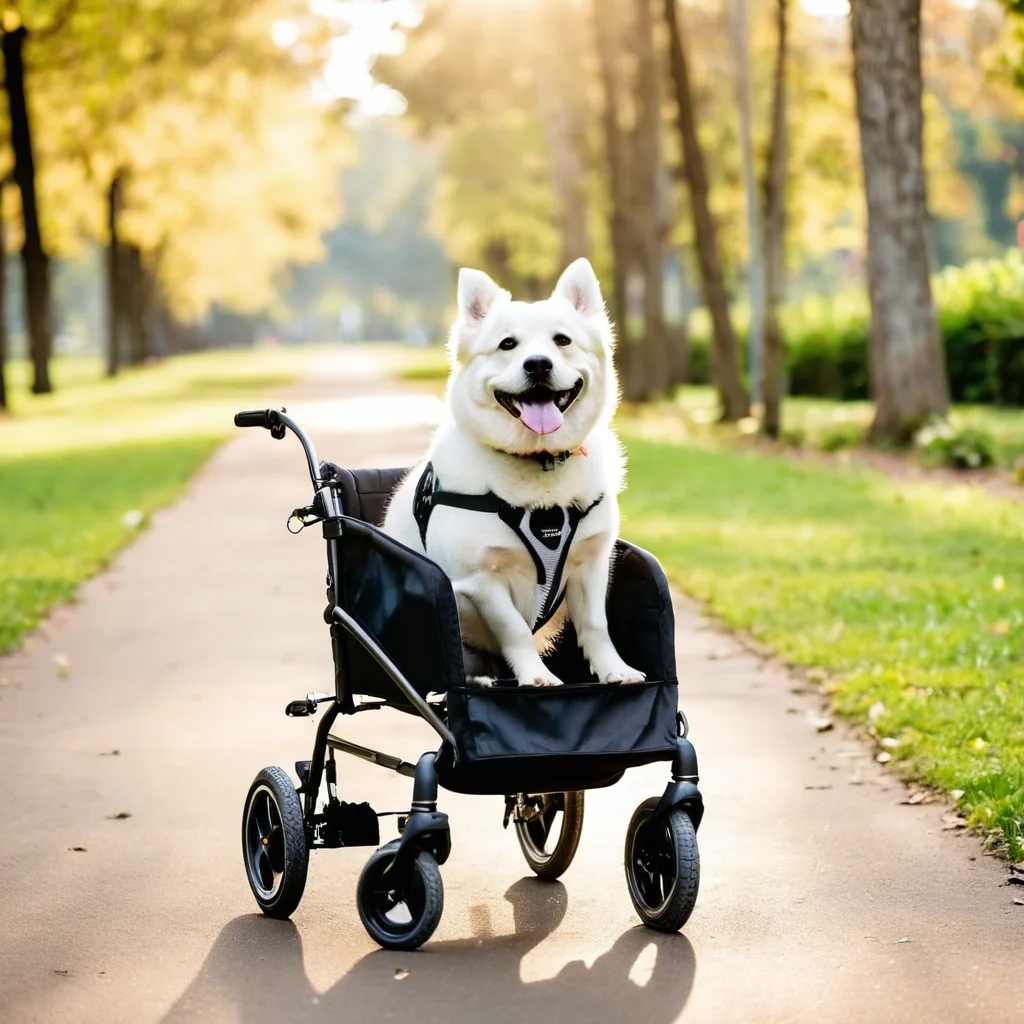

Hind leg paralysis in pets (from disc disease, trauma or nerve problems) means adapting to a pet wheelchair, managing urine and stool, preventing bedsores, physical therapy and looking after quality of life. A paralyzed pet can live a life full of love. In this post we look at caring for a paralyzed pet in detail.
1. Causes of Paralysis in Pets
- Disc disease (IVDD): Dachshunds, Corgis and Beagles are prone to it.
- Trauma: Being hit by a car, a fall from a height.
- Tumors: Of the spine and nerves.
- Nerve infections: Distemper, meningomyelitis.
- FCE (fibrocartilaginous embolism): In dogs.
- Degenerative myelopathy: Senior German Shepherds, Boxers.
- Toxic causes: Botulinum, tick paralysis.
2. Vet Diagnosis and First Treatment
- Emergency vet: hours matter.
- MRI imaging of the spine.
- X-ray (to rule out fractures).
- Nerve tests (reflexes, paw position).
- Surgery may be possible (early in disc disease).
- Medication (steroids, pain relievers).
- Some pets recover fully.
- In permanent cases, long-term care.
3. Pet Wheelchairs
- Specially designed for pets.
- Front legs walk, wheels in the back.
- Custom-fitted to height and weight.
- Brands: Walkin' Wheels, Eddie's Wheels.
- Pets get used to them in 1-2 weeks.
- Freedom to walk and go outside.
- Pets have fun and stay active.
- Price: 3,000 to 15,000 Turkish lira.
- In Türkiye, imported models plus some local ones.
4. Managing Urine
- Loss of bladder control is common.
- Pet diapers, changed daily.
- The owner can express the bladder by hand (your vet will teach you).
- A regular schedule (every 4-6 hours).
- Risk of urinary tract infection.
- Keep the skin clean and dry.
- Prevent bladder stones.
- Regular urine cultures at the vet.
5. Managing Stool
- Loss of bowel control in some cases.
- Manual stimulation and emptying.
- A regular schedule.
- Pet diapers.
- A high-fiber diet (for regular bowel movements).
- Watch for constipation (consult your vet).
- Regular cleaning of skin and fur.
6. Preventing Bedsores
- An immobile pet = risk of pressure sores.
- Change position every 2-4 hours.
- A soft bed (egg crate foam).
- Check the skin daily.
- A water bed in some cases.
- Extra padding over bony points (shoulders, hips).
- The early sign is redness.
- An open sore = vet emergency.
7. Physical Therapy
- Passive range of motion (PROM) every day.
- Hydrotherapy (underwater treadmill) to work the muscles.
- Electrical muscle stimulation.
- Massage for circulation.
- A plan from a vet rehab specialist.
- The family continues it at home.
- Nerve function returns in some cases (over months).
- Regular rehab is a must.
8. Nutrition and Medication
- High-quality food.
- Weight control (extra weight = harder care).
- Vitamin B complex (nerve support).
- Omega-3 as an anti-inflammatory.
- Glucosamine (for the working joints).
- Probiotics for digestion.
- Pain relievers (vet prescription).
- Antibiotics for urinary tract infections (if needed).
9. The Owner's Care Load and Support
- Daily care takes a lot of time.
- Managing urine and stool is tough.
- Love for your pet is the motivation.
- Help from family and friends.
- A pet sitter who knows special needs.
- Online support from pet communities.
- Taking care of yourself as an owner matters too.
- Long-term support from vets and nonprofits (NGOs).
10. Assessing Quality of Life
- Is your pet happy (play, appetite)?
- Pain is under control.
- Care is not stressful for the pet.
- Social interaction continues.
- If quality of life drops, talk to your vet.
- The owner's role is heroic.
- A pet can live a life full of love.
- A decision about euthanasia is based on quality of life.
For a paralyzed pet, the formula is a wheelchair + urine and stool management + bedsore prevention + physical therapy + owner support. Quality of life can be kept high. The owner's care is intensive, but it is a process full of love. Modern technology makes life easier for pets. In the DoldurKabı app, you can find vets who specialize in paralyzed pets and rehab centers on the map.









