


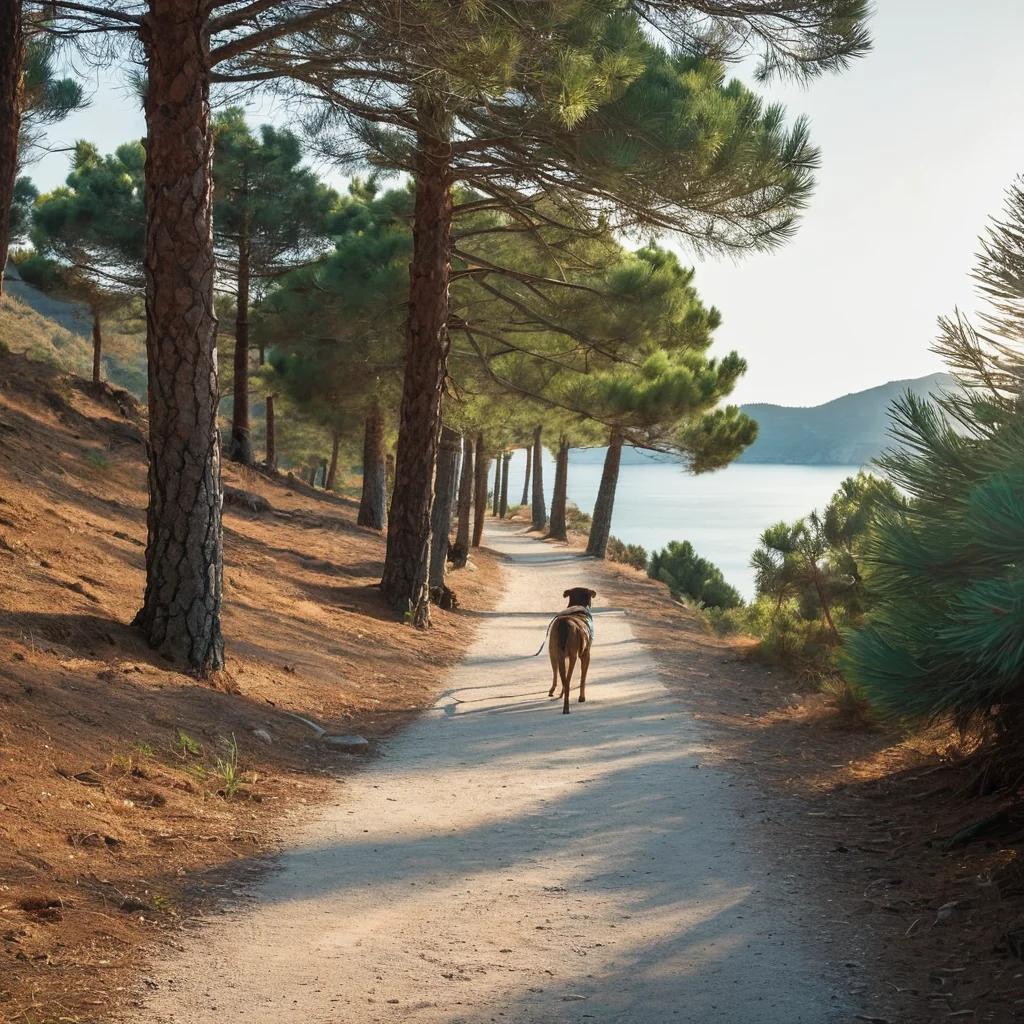

Fethiye has geography that works well for an owner planning a vacation with their dog: pine forest runs down to the sea, the coves are separate from one another and there is plenty of room for walks outside the town center. On the other hand, in summer the heat and humidity work together, and that is the most decisive part of the plan. This guide looks at a vacation in Fethiye with your pet from a planning angle; it does not use unverified business names, addresses, phone numbers or opening hours.
Before You Go: Choosing Dates and Times
In Fethiye, July and August are the most challenging months for a vacation with a dog. The problem isn't just the air temperature; it's the ground temperature. Around midday, dark asphalt and stone surfaces get much hotter than the air, and paw pads feel this directly. There's a simple test: put the back of your hand on the ground, and if you can't comfortably hold it there for five seconds, your pet can't walk there.
So split the day in two. Early morning and late afternoon are for getting out and about, and midday is for resting fully in the shade. May, late June, September and October offer the same geography at a far more manageable temperature. If your dates are flexible, these months are clearly easier for a vacation with a dog.
Getting There and the First Hours
Most people reach Fethiye by road or by transfer from a nearby airport, and the last stretch is a winding road. This part can be hard on pets that get carsick; don't give a big meal right before setting off, and plan a break every two hours. At each break, offer water, take a short bathroom walk and always keep the leash on when your pet gets out of the car. A door opened on the roadside is the moment the risk of running off is highest in an unfamiliar place.
Even if you have to park and run a quick errand, don't leave your pet inside. Even a car parked in the shade reaches dangerous temperatures quickly, and leaving the window cracked doesn't change that. When you arrive, make your first task walking around your lodging together. Getting to know the boundaries, where the water bowl is and the corner where it will sleep makes the first night noticeably calmer. Bringing a familiar blanket or bed from home does the same job.
What to Clarify When Asking About Lodging
The sentence "We accept pets" doesn't carry enough information on its own. Before you book, ask the following clearly and request a written answer:
- Is there a weight or size limit? Most restrictions start here.
- Can the pet be left alone in the room? In some places this is not allowed at all; it directly affects your breakfast or dinner plans.
- Which shared areas can you use? The rules for the garden, terrace, pool area and restaurant are usually separate.
- Is there an extra cleaning fee? Find out up front so there are no surprises later.
- What are the floors and stairs like? For a senior pet or one with joint problems, slippery floors and steep stairs shape daily comfort.
When choosing a room, pick one on the ground floor with direct access to a shaded area. A short bathroom trip in the cool of the night is much easier when you don't have to take the elevator down from an upper floor.
Beaches, Coves and Hiking
Beach use around Fethiye doesn't follow a single rule. Municipal beaches, areas run by private businesses and natural coves each have different practices, and these can change during the season. That's why you need to ask directly about that area's current policy before you go; relying on old information online often causes problems at the entrance.
Considering crowds and sand temperature, the right time for the beach is also early morning and late afternoon. Two details are often missed by the sea: a pet's tendency to drink salt water and moisture in the ears after swimming. Keep fresh water somewhere visible, dry the ears when your pet comes out of the sea and rinse the coat.
For hiking, the area around Fethiye has a lot to offer. Shaded trails in the pine forest are noticeably cooler than the open beach at the same hour. Before taking on long trails, use your pet's daily walking habit as a guide; a three-hour hilly trail out of nowhere on vacation isn't right for a dog that walks half an hour a day at home. Carry water and factor in the distance back.
If You're Considering a Boat Tour
Boat tours are a common activity in the area, and joining with a dog is possible in some cases. But there are points to clarify before you decide: Is there shade on the boat the whole time? How hot does the deck get in the sun? Is there a section set aside for pets? How are bathroom needs handled? How many hours does the tour last, and can you go ashore at the coves where it stops?
A full-day tour may not suit a pet that is afraid of water or gets tense in tight spaces. A short tour with fewer people is a much safer start for a first try. If there's a chance of going in the sea, consider a life jacket; even dogs that can swim can't judge currents or the distance back to the boat in open water.
At Restaurants and Cafés
The rules vary from place to place and can change during the season. Asking briefly at the door is easier than going in and having to come back out. When you sit down, don't leave your pet in the walkway; having the server and other guests constantly step over it stresses both them and your pet. Sit where you can step in if another animal or a child comes close. Bringing your own water bowl saves you from having to ask every time.
Managing Heat and Being Ready for Emergencies
Signs of heatstroke are the thing most often missed on vacation. Heavy, nonstop panting, excessive drooling, reluctance, unsteady walking and a tongue that turns darker are early warnings. If this happens, get your pet into the shade right away, cool the neck, armpits and groin with a wet cloth, avoid sudden cooling with ice water and stop asking anything of your pet. If the signs continue, see a veterinarian without delay.
Finish your preparations before you set off: have the vaccination record with you, keep microchip details and your contact number up to date and make sure the ID tag is on. In an unfamiliar place the risk of running off is higher than at home, and crowds, fireworks and loud music raise it further. Check the collar and its clasp before you leave.
When you arrive at your lodging, find out ahead of time how you would get to the nearest veterinarian. When looking for a place open at night or on a public holiday, the on-duty schedule announced by the provincial Chamber of Veterinarians (Veteriner Hekimleri Odası) and information shared by the municipality can point the way. Always confirm by phone before heading out.
Checks After You Get Home
After you return home, look your pet over in good light. There may be cracks under the paws, a thorn stuck between the toes, a tick in the coat, redness on the skin or dryness from salt. Moisture inside the ears after the sea can set the stage for infection; if signs like odor, itching or head shaking continue, ask your veterinarian.
Tiredness on the first day is expected. But ongoing loss of appetite, limping, vomiting, diarrhea or changes in breathing aren't vacation fatigue. When you see the vet, sharing where you stayed, what water your pet swam in and which areas you explored makes the assessment easier.









