


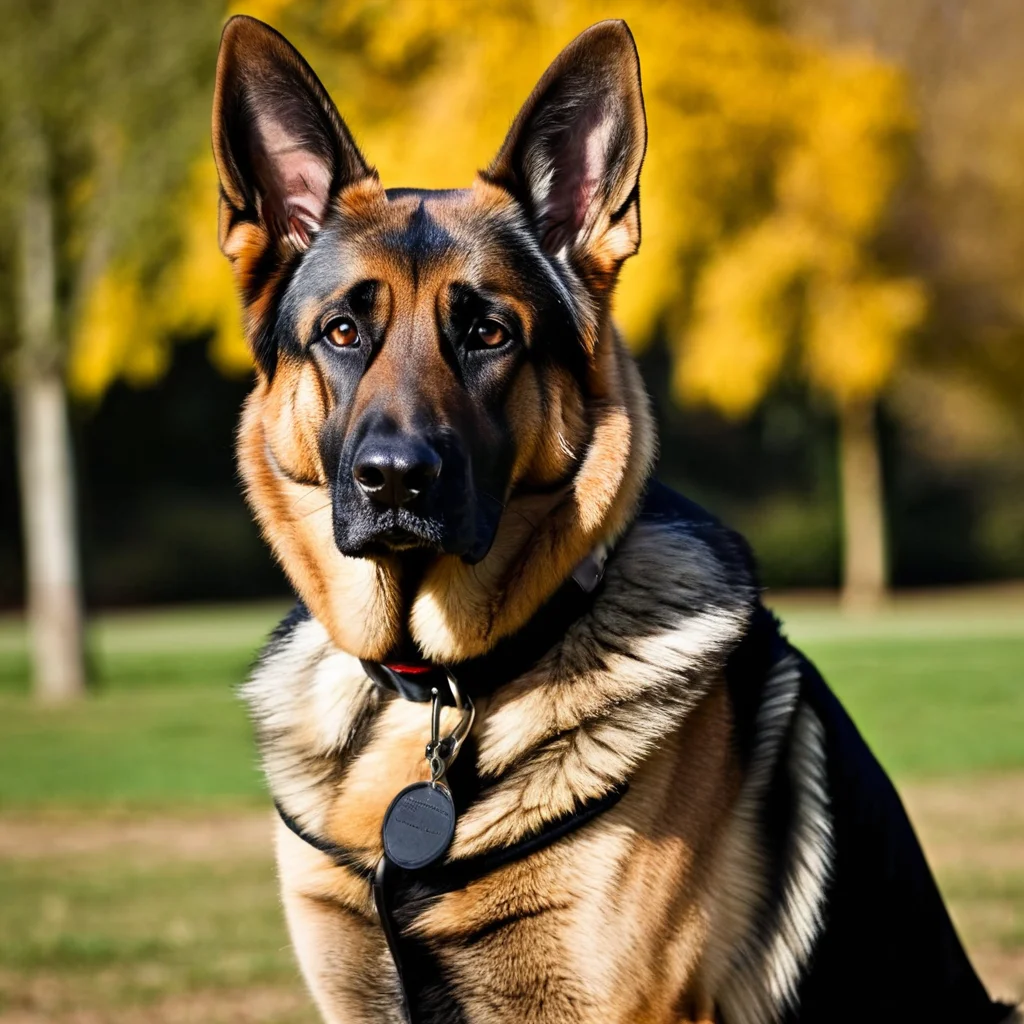

The German Shepherd is protective, hardworking and loyal. In Türkiye it is a versatile choice as a police, military, farm and family dog. High intelligence, trainability and a strong protective instinct make it a remarkable partner. However, hip dysplasia, degenerative myelopathy and bloat (GDV) are serious breed-specific risk factors. Early socialization, consistent training, quality food and orthopedic screening bring out this breed's true potential. In this post we look at the German Shepherd's temperament, care, health and training in detail.
1. German Shepherd Temperament
- Protective: Loyal to family, wary of strangers.
- Highly intelligent: Among the top 5 most intelligent dog breeds.
- Hardworking: Loves jobs and tasks.
- Family-oriented: Very attached within the family.
- Reserved with strangers: Socialization is critical.
- High energy: 1.5-2 hours of exercise a day is a must.
- Trainable: Learns quickly with positive methods.
2. Physical Traits
- Weight: Males 30-40 kg, females 22-32 kg.
- Height (at the shoulder): Males 60-65 cm, females 55-60 cm.
- Coat: Double coat, short or long variety.
- Color: Black and tan, sable, all-black, panda.
- Lifespan: 9-13 years.
3. Nutrition
- 400-600 g of high-protein dry food a day for an adult German Shepherd.
- Large-breed puppy food (with balanced calcium/phosphorus) is a must during puppyhood.
- A slow feeder bowl to help prevent bloat (GDV).
- 2 meals a day (1 large meal raises the risk of GDV).
- Rest for 1 hour after eating, with NO strenuous exercise.
- Sensitive stomach: low-fat, easily digestible food is recommended.
4. Coat Care
- Brush 2-3 times a week (undercoat rake).
- Daily brushing during seasonal changes (March and September) because of heavy shedding.
- A bath every 6-8 weeks.
- NO shaving: the double coat provides thermal protection.
- Trim nails every 2-3 weeks.
- Dental care 2-3 times a week, as the breed is prone to tartar.
5. Breed-Specific Health
- Hip dysplasia: The most common breed-specific problem. PennHIP/OFA testing of the parents is a must.
- Elbow dysplasia: Front leg joint.
- Degenerative Myelopathy (DM): A progressive spinal cord disease that eventually leads to paralysis. Genetic test available.
- Bloat (GDV): The stomach twists, a fatal emergency. Slow feeder and rest after meals.
- Pancreatitis: A risk with fatty food.
- Exocrine Pancreatic Insufficiency (EPI): A lack of digestive enzymes.
- Hemophilia A: A blood clotting disorder.
- Otitis externa and atopic dermatitis: Skin and ears.
- Diabetes (type 1 DM): In some individuals.
6. Exercise Needs
- 1.5-2 hours of active exercise a day for adults.
- Walking, running and fetch.
- Herding instinct: herding behavior, "rounding up" children and other animals.
- Working and working-dog training (canine sports such as agility and obedience).
- Mental exercise is very important; boredom leads to destructive behavior.
- Protecting puppies from hip dysplasia: avoid too much running or jumping between 12 and 18 months.
7. Training Tips (Critical)
- Basic training from puppyhood: a well-trained German Shepherd is wonderful, an untrained one is a challenge.
- Positive reinforcement: punishment backfires.
- Consistent, with firm rules: this breed looks for a "leader."
- Socialize diligently during the 3-14 week window.
- Have "come", "down", "lie down" and "stay" well established by 6 months.
- Advanced training (8 months+): goal-based tasks, protection and service dog training.
- A professional trainer or club is recommended.
8. Socialization
- The 3-14 week period shapes social behavior for life.
- Introduce different people, places, sounds and animals.
- Too little socialization = an overly shy or aggressive adult.
- Regular visits from family members, neighbors and friends.
- Positive associations with the vet and the groomer.
9. Think Before You Adopt
- Monthly cost: 2,500-4,000 Turkish lira.
- Home size: At least a 3-bedroom apartment; a house with a yard is ideal.
- Exercise time: 1.5-2 hours a day.
- Household: A family and an owner who can lead.
- Genetic testing of the parents: Screening for hips, DM and EPI.
- Puppyhood investment: Training and socialization are vital.
- A 9-13 year commitment.
- Pet insurance is recommended.
10. Life and Costs
- Lifespan: 9-13 years.
- Total lifetime cost
- Unexpected annual vet costs
The fee depends on the city, whether it is a clinic or a hospital, after-hours timing, imaging or hospitalization, and your pet's weight and age. The provincial Chamber of Veterinarians (Veteriner Hekimleri Odası) publishes an annual minimum fee schedule; the schedule is a floor, not the final bill. Ask the clinic for a written or verbal estimate.
For the right owner, the German Shepherd is a wonderful partner for years; for the wrong owner, it is a challenging experience. The combination of early socialization, consistent training, orthopedic screening, GDV prevention and love brings out the potential of this remarkable breed. In the DoldurKabı app you can find German Shepherd adoption listings and vet clinics on a map.









