
In short: No, selling cats and dogs is not completely banned in Türkiye. Article 10 of Animal Protection Law No. 5199 bans keeping cats and dogs in pet shops; these shops may only sell animals from breeding facilities licensed by the Ministry. The seller certificate requirement (Article 5, Article 14/c), the age-16 limit (Article 14/d) and the ban on selling sick or old animals (Article 10) apply to every sale.
You have probably heard someone say "selling animals is illegal in Türkiye now." The belief comes from a good place: changes made to the Animal Protection Law in 2021 really did ban keeping cats and dogs in pet shop windows. But the law did not do away with sales altogether; it tied them to specific conditions. In this post we go article by article through what is banned and what is allowed, based on the current text of Law No. 5199. At the end we get to the question that really matters: why should you adopt a cat or dog instead of buying one?
The pet shop window: what does Article 10 say?
In 2021, Law No. 7332 added the following sentence to the first paragraph of Article 10, titled "Trade in animals":
Cats and dogs may not be kept at pet sale premises; however, cats and dogs from pet breeding facilities licensed by the Ministry may be sold at these premises. (Law No. 5199, Article 10)
The sentence has two halves, and they need to be read together. The first half is clear: a pet shop cannot keep a cat or dog in the store, in the window or in a cage. The second half leaves a door open: the same shop can act as the go-between for selling a cat or dog that lives at a breeding facility licensed by the Ministry of Agriculture and Forestry. In other words, the animal does not wait in the shop, but a sale can still take place.
According to the effective-date list annexed to the law, this sentence did not apply right away; it took effect one year after publication, on July 14, 2022. Other pets such as birds, fish and rodents are not covered by this sentence; the provision names only cats and dogs. For anyone who breaks the rule, Article 28 of the law sets an administrative fine per animal (Article 28/f).

The licensed breeding facility exception
Today, this exception is the legal basis for putting a cat or dog up for sale in Türkiye: the animal has to come from a pet breeding facility licensed by the Ministry. The law also places an extra responsibility on those who breed and trade. Under the fourth paragraph of Article 10, those who breed and trade pets must take "the measures related to anatomical, physiological and behavioral characteristics needed so as not to endanger the health of the animals."
The first sentence of the same article sets a basic condition for every sale: when the animal is sold, it must be in good health, and the place where it is kept must be clean and meet health standards. If you are talking to a seller, asking which breeding facility the animal came from and whether that facility is licensed is a reasonable way to see whether these rules are working in front of you.
What is expected of the seller: training and a certificate
The law also cares about who is selling the animal. The third paragraph of Article 5 says:
Persons who sell pets are obliged to attend training programs organized by local governments on the care and protection of these animals and to obtain a certificate. (Law No. 5199, Article 5)
Subparagraph (c) of Article 14, which lists the prohibitions, makes the same point from the other side: selling pets by people who have not received animal care training is prohibited. The text says "persons who sell"; it does not distinguish between a shop and an individual. On the penalty side, subparagraph (b) of Article 28 sets an administrative fine for business owners who fail to meet the certificate requirement.
The age-16 limit and the ban on selling sick animals
Selling to anyone under 16
Subparagraph (d) of Article 14 clearly bans selling pets to anyone under the age of sixteen. Caring for an animal is a responsibility that lasts for years, and the law does not want that decision placed on a child through a sale. Subparagraph (j) of Article 28 also sets an administrative fine for breaking this rule.
Sick, disabled or old animals
The last paragraph of Article 10 keeps trade from running on an animal's suffering:
It is prohibited to transfer to someone, sell or buy an animal that is sick, disabled or old, or that has incurable pain or suffering, for any purpose other than slaughtering it in accordance with procedure or putting it down painlessly. (Law No. 5199, Article 10)
Subparagraph (f) of Article 28 sets an administrative fine per animal for breaking this paragraph as well. Because the fine amounts are reassessed every year, we do not give figures here.
| Rule | Legal basis | What does it mean? |
|---|---|---|
| Ban on keeping cats and dogs in pet shops | Article 10 | Cats and dogs cannot be kept in the shop or the window. |
| Licensed breeding facility exception | Article 10 | An animal at a Ministry-licensed breeding facility can be sold. |
| Healthy animal, clean premises | Article 10 | When sold, the animal must be healthy and its premises clean. |
| Seller certificate | Article 5, Article 14/c | The seller must have received animal care training. |
| Age-16 limit | Article 14/d | Pets cannot be sold to anyone under sixteen. |
| Sick, disabled, old animals | Article 10 | An animal in this condition cannot be the subject of a sale. |
Responsibility starts when the sale ends
The law also gives clear duties to the person who takes in the animal. Under Article 5, a person who owns an animal must house it, meet the needs of its species and look after its health. Subparagraph (k) of Article 4 requires cat and dog owners to have their animals registered with digital identification methods; Provisional Article 4 had set December 31, 2025 as the deadline for this registration. Under the definition in subparagraph (j) of Article 3, an "owned animal" is a pet whose care, vaccines and regular health checks are done and that is registered in the Ministry database. There is one more rule not to forget: subparagraph (n) of Article 14 bans abandoning a pet.
Why adopt instead of buy?
Knowing the legal framework matters, but for most people this is where the real decision is made. Buying can be done legally; still, before you bring a cat or dog into your life, these facts are worth thinking about.
- There are already animals waiting for you. The law tells local governments to take ownerless animals to care centers and to keep them there "until they are adopted" (Article 3/k, Article 6, Additional Article 1). That wording shows the system is waiting for a home to be found. Every animal in a shelter or on the street leaves that wait behind when one home opens its door.
- The law itself encourages adoption. Subparagraph (d) of Article 4 lists encouraging people who want to adopt ownerless animals without seeking any financial gain as a core principle.
- Demand feeds breeding. Every puppy or kitten that is bought becomes a reason to breed new ones. Adoption gives an animal a home without joining that cycle.
- Spaying and neutering prevents uncontrolled breeding. To prevent uncontrolled breeding, the law sets as a principle that owners spay or neuter cats and dogs living in shared residential places, and it regulates spaying and neutering for this purpose (Article 4/k, Article 7). Some adopted animals go to their new homes with this step already done; if not, you can plan it with your veterinarian.
- You decide by match, not by impulse. During adoption, you learn about the animal's personality, age and needs from someone who knows it. That helps prevent the kind of regret that leads to abandonment, which the law bans (Article 14/n).
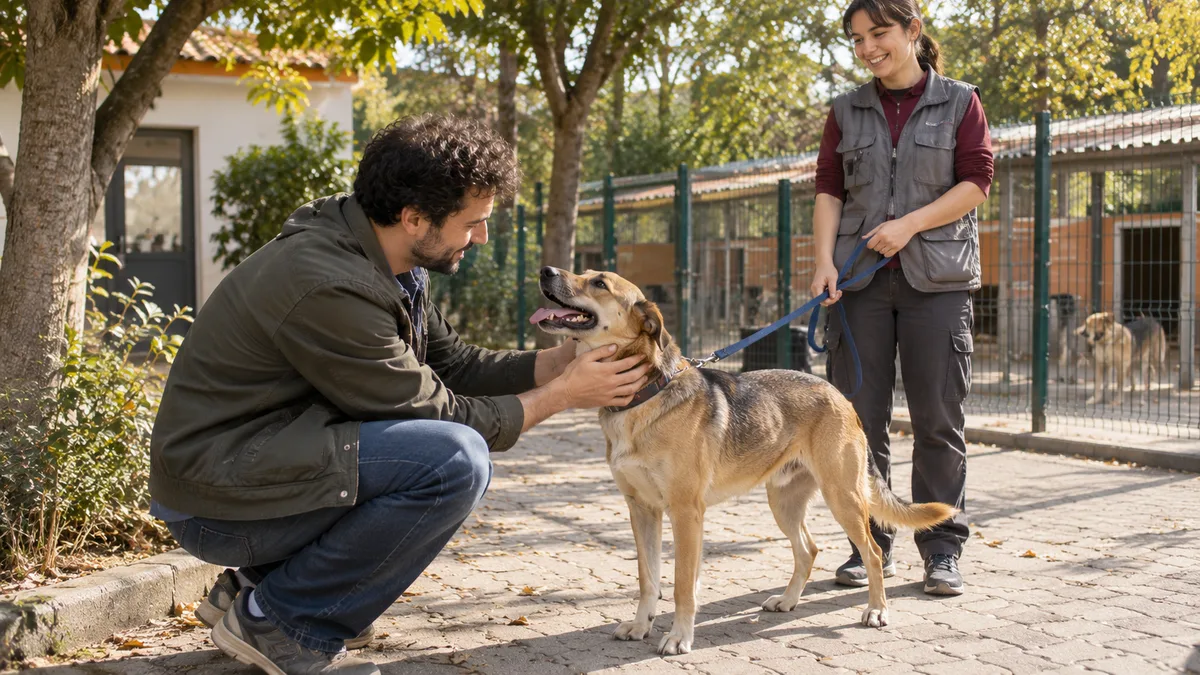
A young animal and an adult animal answer love in exactly the same way. A calm dog that has spent years in a shelter, or a curious cat born on the street, comes into your home with its habits and shows you who it is from day one. If you are looking for a cat, take a look at our cat adoption guide; if you are looking for a dog, see our dog adoption guide; and you can find care centers near you on the shelters page.
Frequently Asked Questions
Is it legal to buy a cat or dog from a pet shop?
Cats and dogs may not be kept in pet shops (Article 10). However, under the same article, these shops may sell cats and dogs from breeding facilities licensed by the Ministry. So a cat or dog waiting in a cage in the shop goes against this rule.
Can I sell puppies or kittens born at home?
The law requires anyone who sells pets to attend training organized by local governments and obtain a certificate (Article 5), and it bans sales by people without this training (Article 14/c). If you do not meet these conditions, the right path for the babies is to rehome them through adoption. To prevent new litters, you can also talk to your veterinarian about spaying the mother (Article 4/k).
Do I need to register a cat or dog I bought?
Yes. Cat and dog owners are required to have their animals registered with digital identification methods (Article 4/k, Provisional Article 4). This duty applies whether you bought the animal or adopted it.
Is there a penalty for selling against the rules?
Yes. Article 28 sets administrative fines for keeping cats and dogs in a pet shop, selling a sick animal and selling to anyone under 16. Because the amounts are reassessed every year, you need to check official sources for the current figure.
This post is for general information; for your specific situation, consult a lawyer or the city or district directorate of the Ministry of Agriculture and Forestry.
If you are ready to give a cat or dog a home, you can browse adoption listings on DoldurKabı. If you have an animal that needs a home, you can post a free adoption listing and connect it with a family that will truly care for it instead of selling it.