


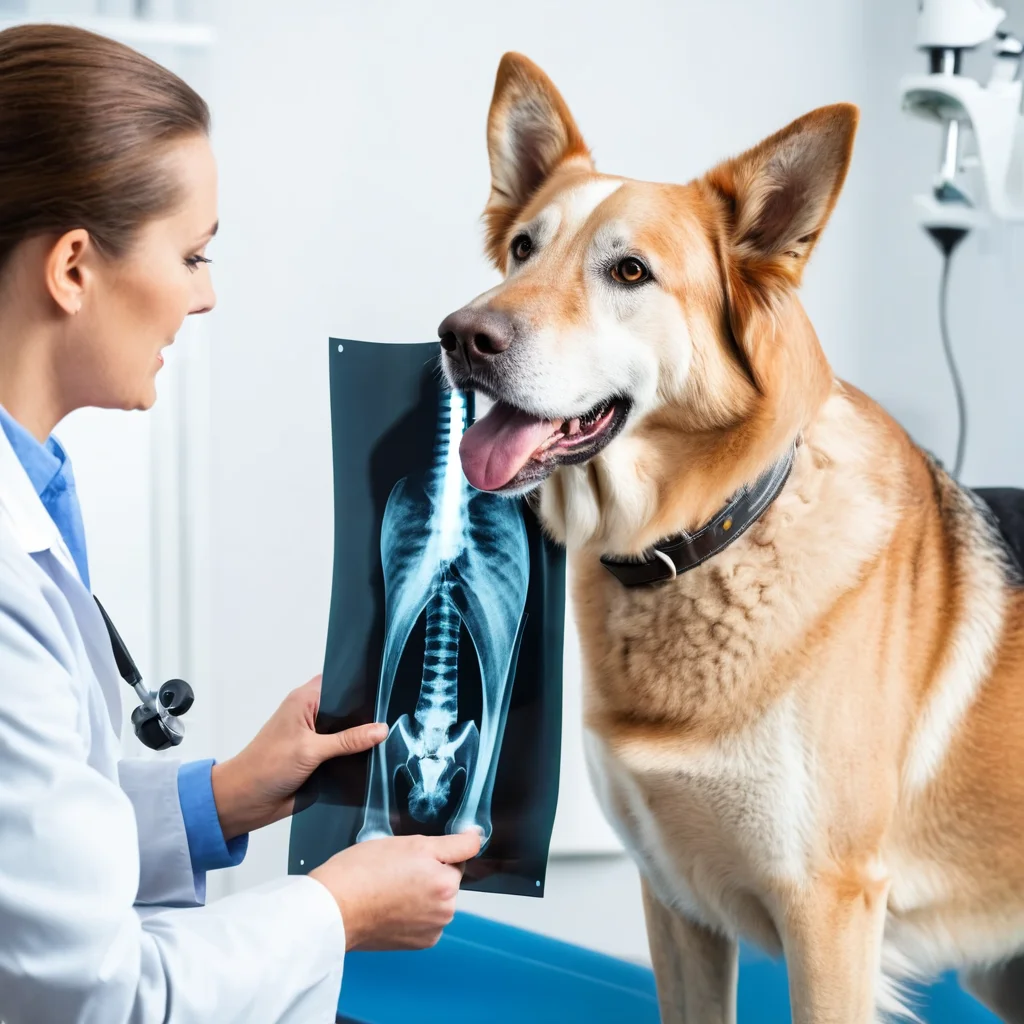

Canine hip dysplasia is a joint deformity disease common in large and giant breeds. The hip joint (the femoral head and the acetabulum) doesn't fit together properly. It affects dogs from puppyhood into old age, causing pain, limping and limited movement. It can be largely controlled through genetics, growth management and early intervention. PennHIP and OFA testing are critical for prevention in breeding and for early diagnosis. In this article, we look at a detailed care guide for hip dysplasia.
1. What Is Hip Dysplasia?
- The femoral head doesn't sit properly in the acetabulum.
- It starts in puppyhood, and bone development is affected for life.
- Genetic (multiple genes) + environmental factors.
- One or both hips.
- Severity of signs varies: mild cases are asymptomatic, severe ones lead to paralysis.
2. Causes
- Genetics (most important): Inherited through multiple genes. PennHIP/OFA testing in the parents.
- Rapid growth: Too many calories, too much protein, calcium deficiency or excess.
- Excessive exercise (puppyhood): Too much running and jumping between 12 and 18 months.
- Trauma: A puppy falling.
- Sex: Slightly more common in males.
3. Predisposed Breeds
- German Shepherd (the most predisposed).
- Labrador + Golden Retriever.
- Rottweiler.
- Saint Bernard, Newfoundland, Great Dane.
- Bernese Mountain Dog.
- Akbash, Kangal Shepherd Dog (Turkish shepherd breeds).
- Bulldog (English).
- Mastiff.
- Large and giant breeds are generally at risk.
4. The Progression of Signs
- Puppyhood (4-12 months):
- A typical gait ("bunny hopping", the hind legs jumping together).
- Difficulty sitting down and getting up.
- Reluctance to go down stairs.
- Tiring quickly after exercise.
- Adult:
- Stiffness when getting up in the morning.
- Limping (comes and goes).
- Clicking sounds from the joint.
- Muscle atrophy (hind legs).
- Senior:
- Constant pain.
- Paresis.
- Behavior changes.
5. Diagnosis
- Clinical exam: Joint palpation, Ortolani sign, movement tests.
- Radiography (X-ray): Under anesthesia, for a definitive diagnosis and scoring.
- OFA (Orthopedic Foundation for Animals): Traditional scoring (Excellent-Fair-Normal-Mild-Moderate-Severe).
- PennHIP: More sensitive, the "Distraction Index", a prediction from 4 months of age.
- CT/MRI: Detailed imaging.
6. Treatment (Conservative)
- NSAIDs: Carprofen, Meloxicam for pain and inflammation.
- Joint support: Glucosamine + chondroitin + omega-3.
- Librela: A modern monthly anti-NGF injection.
- Adequan: Polysulfated glycosaminoglycan injection.
- Weight control: Reduces the load on the joints.
- Low-impact exercise: Swimming, soft ground.
- Physical therapy + hydrotherapy.
- 70% of dogs live comfortably with conservative treatment.
7. Surgical Options
For severe cases:
- JPS (Juvenile Pubic Symphysiodesis): For puppies under 4 months, early intervention. The pubic bones are fused, and hip formation improves.
- TPO (Triple Pelvic Osteotomy): For young dogs, repositioning the acetabulum.
- FHO (Femoral Head Ostectomy): Removal of the femoral head, for lower budgets, small to medium dogs.
- THR (Total Hip Replacement): An artificial hip, the gold standard, for advanced cases. Cost
The fee depends on the city, whether it's a clinic or a hospital, after-hours care, imaging/hospitalization and the animal's weight and age. The provincial Chamber of Veterinarians (Veteriner Hekimleri Odası) publishes a yearly minimum fee schedule; the schedule is a floor, not the final bill. Ask the clinic for a written or verbal estimate.
8. Puppy Nutrition + Growth Management
- Large-breed puppy food with a calcium/phosphorus ratio of 1.2:1, not more.
- Excess protein is OFF LIMITS (over 30%).
- Portion control: an overweight puppy has a higher risk than an overweight adult.
- Puppy food until 12 months.
- A "large breed puppy" formula for big breeds.
9. Exercise Rules (Puppy)
- The 5 minutes × age in months rule: 4 months old = 20 min, 6 months old = 30 min.
- Soft ground (grass).
- NO jumping (until 12-18 months).
- Limited stairs.
- NO excessive running.
- Swimming is recommended.
10. Prevention (Most Important)
- Ethical breeder: Parents tested with PennHIP or OFA are a must.
- Prefer OFA "Excellent" or "Good" + PennHIP DI <0.4.
- Track generations (3 clean generations).
- Ask the breeder for test documents.
- Stay away from breeders who "make documents disappear."
- When adopting a puppy, have PennHIP done after 4 months.
Canine hip dysplasia is the most common orthopedic problem in large breeds, but with genetic testing + growth management + early intervention it can be largely prevented and controlled. A PennHIP/OFA test of the parents before adoption is essential. After diagnosis, a multimodal approach provides years of comfortable life. In the DoldurKabı app, you can find vet clinics with orthopedic experience on the map.









