


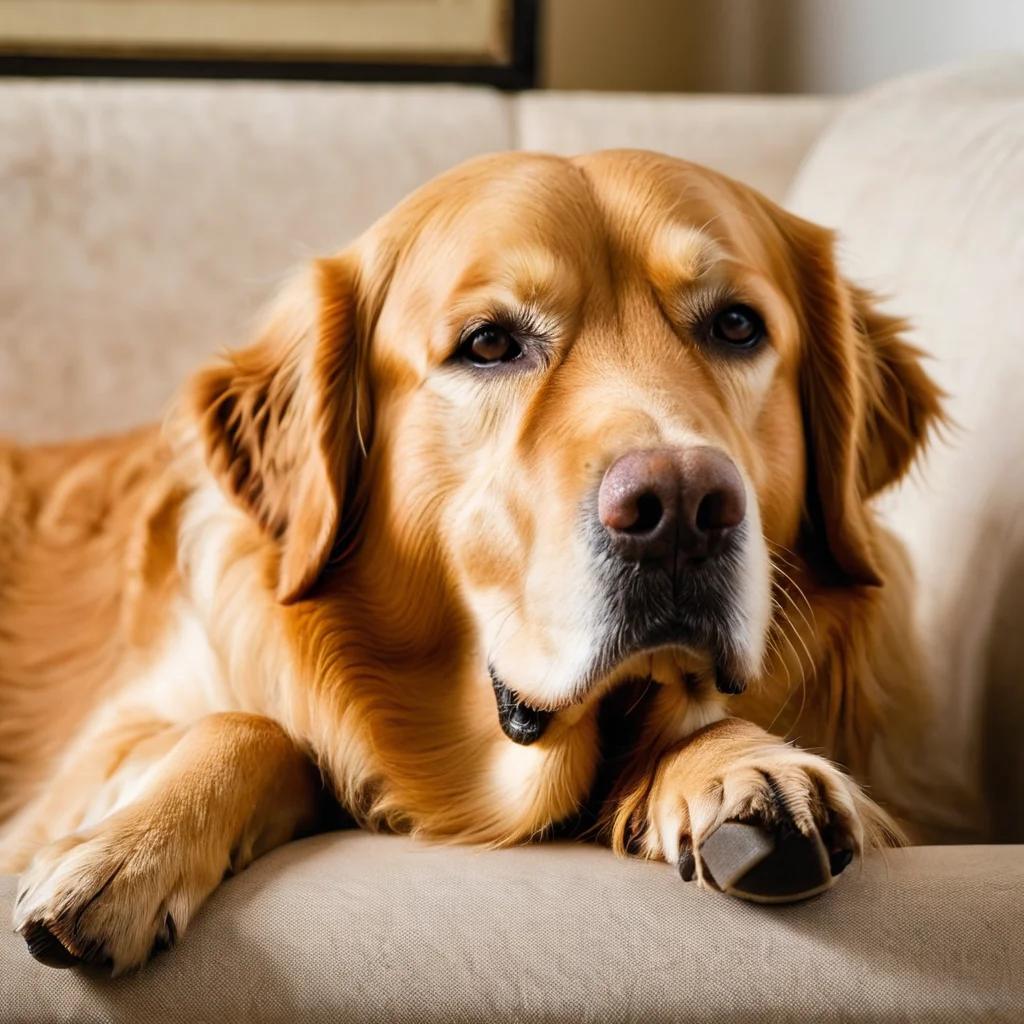

Hypothyroidism (an underactive thyroid) is one of the most common endocrine diseases in dogs. The thyroid gland produces too little hormone (T4, T3), and metabolism slows down. The chain of symptoms: lethargy, weight gain, hair loss and sensitivity to cold. Diagnosis is easy (a blood T4 test), and treatment with daily levothyroxine works very well. With the right treatment, a dog lives a normal life. In this post we look at hypothyroidism in detail.
1. What Is Hypothyroidism?
- The thyroid gland produces the hormones T4 (thyroxine) and T3 (triiodothyronine).
- These hormones regulate metabolism, energy, the skin, muscles, the heart and the nervous system.
- A deficiency leads to a slowly progressing slowdown of these systems.
2. Causes
- Lymphocytic thyroiditis (autoimmune), 50% of cases: The immune system destroys the thyroid.
- Idiopathic atrophy, 43%: The thyroid shrinks on its own.
- Congenital (present from birth): Rare.
- Iatrogenic: After thyroid surgery.
- Tumor: Rare.
3. The Chain of Symptoms
- Slowed metabolism:
- Lethargy plus weakness.
- Weight gain on the same diet.
- Sensitivity to cold: the dog stays under a thick blanket.
- Lower exercise tolerance.
- Skin and coat:
- Symmetrical hair loss: the tail ("rat tail"), back and sides.
- A dull, dry coat.
- Thickened skin plus pigmentation (darkening).
- Recurring skin infections (secondary).
- A sad "tragic face": the face develops folds.
- Neurological:
- Head tilt.
- Loss of balance.
- Paresis (partial paralysis).
- Behavior changes.
- Cardiovascular:
- Bradycardia (slow heart rate).
- Reduced contractility.
- Reproductive:
- Anestrus in females (no heat cycles).
- Reduced libido in males.
4. Diagnosis
- Total T4 (TT4): The first step: low.
- Free T4 (fT4): If TT4 is low and there is clinical suspicion: confirms it.
- TSH (thyroid-stimulating hormone): High (the pituitary is trying to produce more hormone).
- Antithyroid antibodies: A marker of autoimmune disease.
- Complete blood count plus biochemistry (high cholesterol is typical).
- Rule out "sick euthyroid syndrome": another illness can lower T4.
5. Treatment (Excellent Results)
- Levothyroxine sodium (Soloxine, Thyrox): 1-2 oral doses a day.
- Starting dose 0.01-0.02 mg per kg of body weight.
- Dose adjusted after 4-8 weeks based on T4 plus TSH.
- Follow-up tests 1-2 times a year.
- Cost: 100-300 Turkish lira a month.
- Lifelong treatment.
6. What to Expect After Treatment
- First 1-2 weeks: Lethargy improves; the dog is more energetic.
- 1-3 months: Weight stabilizes and the coat grows back.
- 3-6 months: Full return to normal.
- Too high a dose: vomiting, weight loss, a fast heart rate (the dose needs to be lowered).
- Too low a dose: symptoms continue (increase it).
7. Predisposed Breeds
- Golden Retriever.
- Labrador Retriever.
- Doberman Pinscher.
- Cocker Spaniel.
- Boxer.
- Irish Setter.
- Dachshund.
- Airedale Terrier.
- Generally medium to large breeds, between 4 and 10 years of age.
8. Related Diseases
- Hypothyroidism raises diabetes risk.
- Megaesophagus.
- Other autoimmune diseases (Addison's, IMHA).
- Skin infections plus allergies.
- Cardiac (pericardial effusion).
9. Prognosis
- With the right treatment, a normal life expectancy.
- Excellent quality of life.
- Symptoms disappear completely.
- With regular follow-up and dose adjustment, normal for years.
- If treatment is forgotten, the symptoms come back.
10. Tips for Owners
- Give the medication at a fixed time (usually in the morning on an empty stomach).
- Food 1 hour later (calcium blocks the absorption of levothyroxine).
- Never skip a dose.
- Yearly T4/TSH follow-up.
- Report any changes in symptoms to your vet.
- Keep away from cats with a high autoimmune risk (immune modulation).
Hypothyroidism is common but a well-managed endocrine disease. With daily levothyroxine and regular follow-up, a dog lives a normal life. In predisposed breeds, thyroid screening from age 4 is recommended. In the DoldurKabı app you can find vet clinics experienced in endocrinology on a map.









