


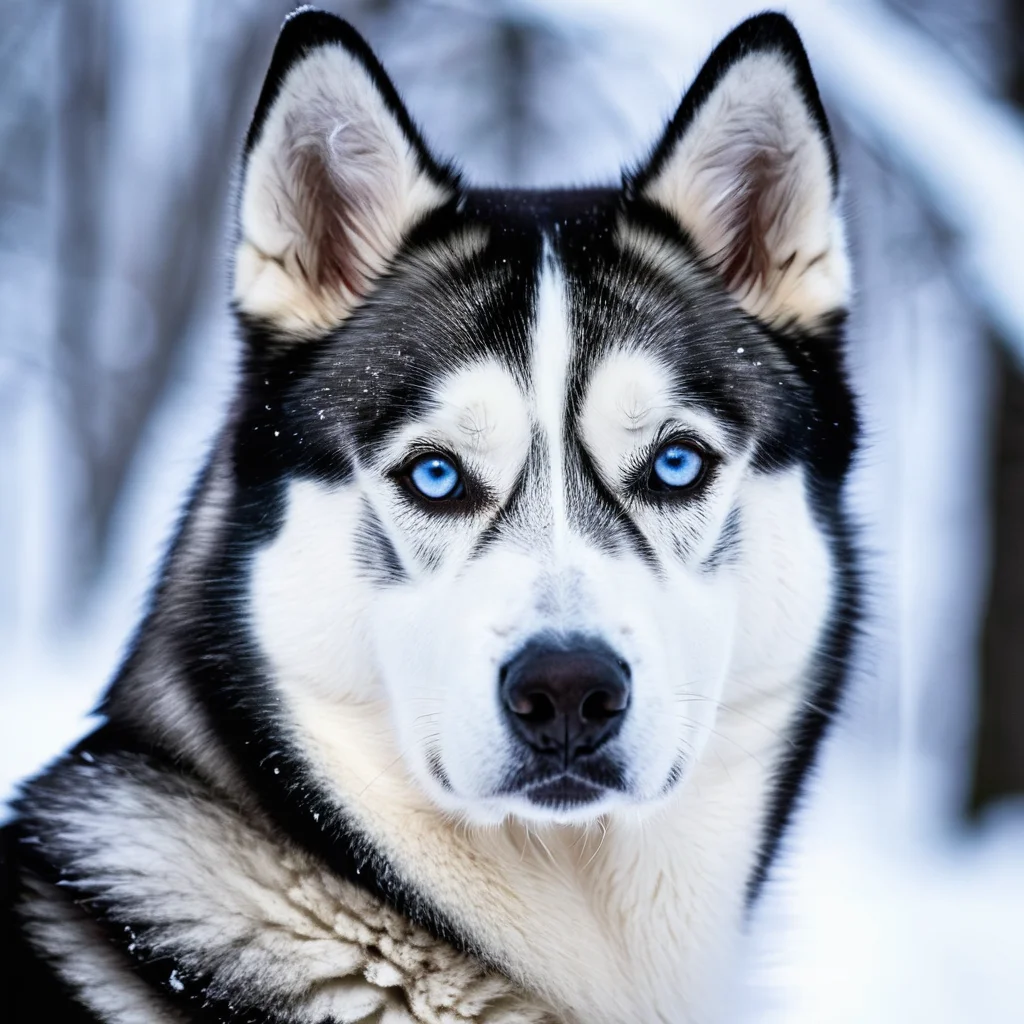

The Siberian Husky is a sled dog from northern Siberia that evolved for snow and cold. In Türkiye, it's a breed people choose for its "looks" but don't understand well enough for its "needs." The thick double coat is a serious problem in summer heat, the high energy calls for 2-3 hours of exercise a day, and the urge to escape is a risk even in a house with a yard. It's an extraordinary dog for the right owner and a years-long struggle for the wrong one. In this post, we take a detailed look at the Husky's real care needs, adapting to Türkiye's climate, health problems, and training tips.
1. Husky Temperament
- High energy: 2-3 hours of active exercise a day is a must.
- Social: A pack animal that doesn't like being left alone.
- Independent and stubborn: Trainable, but not a dog that "does every command."
- Escape instinct: Climbs over yard walls and bolts when the door opens; a "Houdini dog."
- Clean: Grooms itself like a cat and has very little odor.
- Talkative: Doesn't bark much but howls and makes sounds as if it's "talking."
- Good with kids: Social, but its high energy can be dangerous for small children.
2. Physical Traits
- Weight: Males 20-27 kg, females 16-23 kg.
- Height (at the shoulder): Males 53-60 cm, females 50-56 cm.
- Coat: Thick double coat; the outer layer is water-resistant, and the undercoat is soft like wool.
- Color: Black and white, gray and white, red and white, agouti, pure white.
- Eyes: Blue, brown, and heterochromia (each eye a different color) are common.
- Lifespan: 12-15 years.
3. Adapting to Türkiye's Climate
The Husky is built for the cold, so summer months in Türkiye are a serious challenge:
- Summer (June-September): 30°C+ is dangerous, and 35°C+ carries a deadly risk.
- Walk from 6 to 8 a.m. and from 10 p.m. to midnight; keep them indoors during the day.
- Air conditioning is a MUST; in a Turkish summer, a Husky can't do without it.
- A cooling mat, frozen toys, and a pool (a kiddie pool in the yard).
- Shaving is FORBIDDEN: If a double coat is shaved, its thermal protection breaks down, causing skin burns and coat damage.
- Brush the undercoat with a Furminator for 30-60 minutes a month, and more often when the coat blows.
- Winter (December-February): The Husky's happy season. Snow play, long walks, and it can stay outdoors.
4. Nutrition
- An adult Husky needs 400-600 g of high-protein dry food a day.
- An active Husky (sledding, running sports) needs 50% more calories.
- Fatty meat suits them well, a legacy of their wild ancestors.
- A slow feeder bowl reduces fast eating and the risk of GDV.
- Plenty of water (especially in summer).
5. Breed-Specific Health
- Hip dysplasia: Less common (compared with Labs and Goldens), but it does occur.
- Eye diseases: Cataracts, PRA, and corneal dystrophy; get a yearly eye exam.
- Hypothyroidism: Hair loss and lethargy.
- Autoimmune diseases: Pemphigus, lupus.
- Heatstroke: A serious risk in a Turkish summer.
- Epilepsy: Some cases are genetic.
- Follicular dysplasia: A disorder of hair regrowth that leaves the coat sparse.
6. Exercise Needs (The Most Important Point)
- 2-3 hours of active exercise a day: Brisk walks, running, and free play.
- Without enough exercise: destruction, howling, escape attempts.
- Running alongside a bike (cani-cross) is a favorite sport among Husky lovers.
- A canicross harness is gentle on the back.
- An adult Husky handles long distances (10-20 km per session) with ease.
- Pulling on the leash: it's a natural sledding instinct, so loose-leash training needs to be firm and consistent.
7. Training Tips
- The Husky isn't a "classically obedient" breed; training takes patience.
- Positive reinforcement and high-value rewards (chicken, cheese).
- Punishment is FORBIDDEN; a Husky resists and the bond suffers.
- Consistency and 15-20 minute sessions a day.
- The "come" command is critical, since Huskies have an escape instinct.
- A high wall in the yard (1.8 m+), a secure gate, and a leash routine.
- Make full use of the socialization window (3-14 weeks).
8. Socialization
- A pack animal that gets along with other dogs.
- Prey drive toward cats and small animals can be high; introduce them from puppyhood.
- Good with children, but supervision is needed (big and excitable).
9. Think Before You Adopt (The Most Important Part)
- Can you adapt to Türkiye's climate with them? Air conditioning and cooling are a must.
- 2-3 hours of exercise a day: if you can't manage it, this isn't the breed for you.
- If you have a yard, high walls and security.
- Alone for 4-6 hours max, since it's a pack animal.
- Monthly costs of 2,500-4,500 Turkish lira.
- Coat-blowing season: A rain of fur in the house, with heavy cleaning.
- A 12-15 year responsibility.
10. Lifespan and Cost
- Lifespan: 12-15 years.
- Total lifetime cost: 400,000-750,000 Turkish lira.
- Summer electricity (air conditioning): an extra 300-500 Turkish lira a month (July-September).
In Türkiye, a Siberian Husky bought for its "looks" is hell for its owner, and heaven for the right owner. The four essentials are managing summer heat, exercise discipline, socialization, and yard security. Before you decide, honestly assess its needs. In the DoldurKabı app, you can find Husky adoption listings and vet clinics on a map.









