


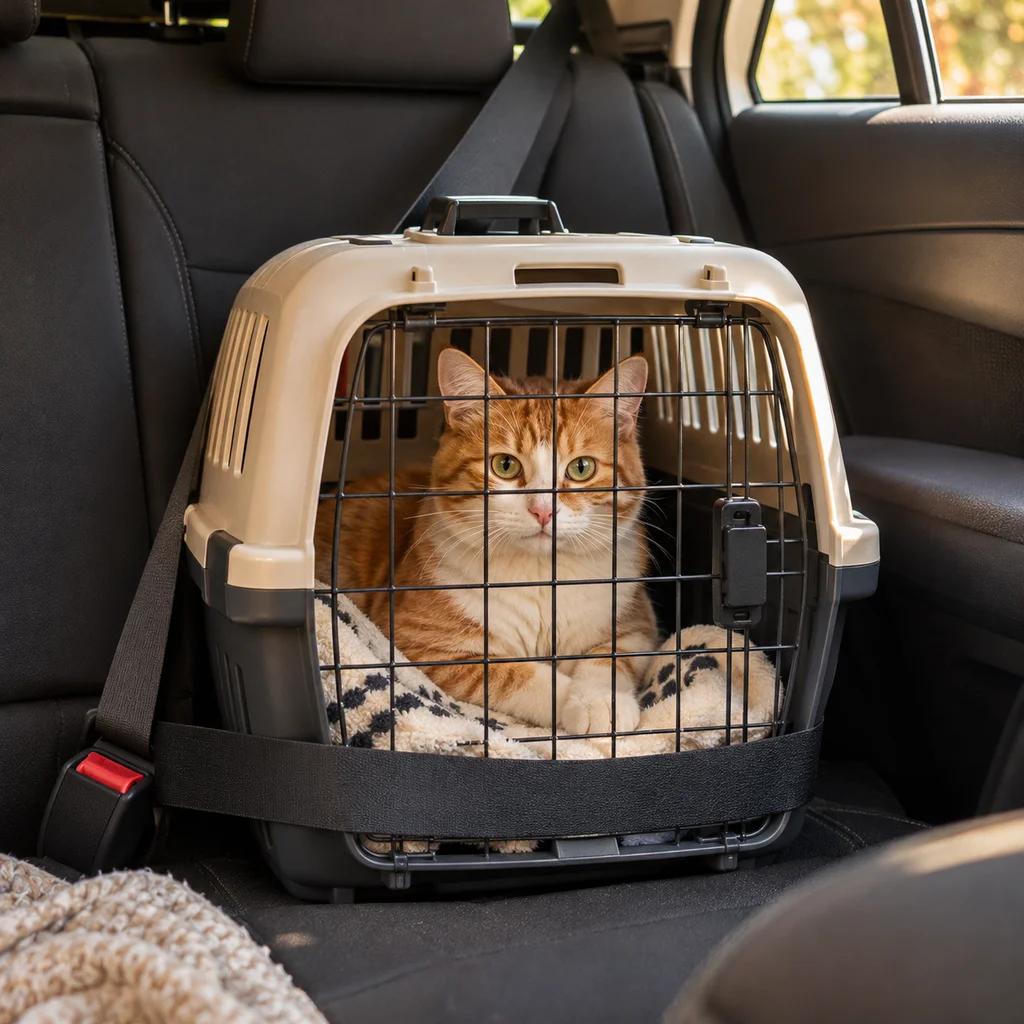

If you don't have a car, or you don't want to carry your pet onto public transit in your arms, a pet taxi makes life a lot easier. A vet appointment, the groomer, moving day, the airport, or a trip to a pet sitter's home for a few days... The same question comes up every time: how do I get my pet ready for this ride, and what should I talk through ahead of time?
The first ride is usually the most stressful one. You don't know the driver, and your pet doesn't know the car. The list below is meant to make that first trip calmer. On later rides, you'll find your own routine anyway.
When is a pet taxi useful?
A pet taxi comes in when you need to get somewhere safely with your pet but don't have your own car. Common situations include:
- Scheduled vet appointments, vaccinations and checkups
- Trips to and from the groomer or a pet hotel
- Moving day, to get your pet away from the commotion
- Airport or bus station transfers
- Transporting large dogs, since regular taxis often won't take them
One thing to be clear about from the start: a pet taxi is a service that works by appointment. If your pet has been poisoned, is struggling to breathe or is seriously injured, don't wait for a car to arrive. Call a clinic right away and find the fastest way to get there. For clinics open at night, check the emergency vet page.
What to discuss before booking
If you talk with the driver or service provider ahead of time, you won't get any surprises on the day of the ride. Ask these questions and give clear information about your side too:
Information to give about your pet
- Species, weight and approximate size. For a large dog, the car's trunk or back seat setup matters.
- Whether they'll travel in a carrier or on a leash
- Whether they have a history of car sickness, vomiting on trips or excessive barking
- How they behave around other people or animals
- How many animals will be transported
Questions to ask the service provider
- Is there a way to secure pets in the car? Can the carrier be strapped in with a seat belt?
- Can you ride along too? How many people can ride?
- Will they wait at the clinic or groomer, and will the same car handle the return trip?
- How is the temperature inside the car managed in hot or cold weather?
- How are hair and smells from previous rides cleaned up?
- How will you be notified of a delay or cancellation?
In the Pet Services section on DoldurKabı, you can look at the profiles of pet taxi providers in your area and choose who to go with yourself. After sending your request, you can sort out the questions above by messaging. How the service works in general is explained on the pet taxi page.
The day before the ride
Most of the prep should be done before the day of the ride. Searching for the carrier at the last minute stresses out both you and your pet.
The carrier
For cats and small dogs, a sturdy, ventilated carrier with a door that locks securely is a must. Bring the carrier out into the living room the day before, leave the door open and put a blanket that carries your pet's scent inside. A pet who only sees the carrier on vet day starts hiding the moment it appears; even having it out a few hours ahead helps.
What to bring
- An absorbent pad on the bottom of the carrier with a thin blanket on top
- A spare pad and a few sealable bags, in case of an accident
- For dogs, a collar and harness, with an ID tag attached
- On longer rides, a small water bowl and a bottle of water
- A few treats
- If you're going to the vet, the vaccination card and any previous test results
- Wet wipes and a small towel
Food and potty
In pets prone to car sickness, a full stomach right before the ride can cause trouble. Giving the main meal a few hours before the ride, or keeping it light, is more comfortable for most pets. If your pet has a special diet or a condition like diabetes, don't change anything on your own; ask your vet. Don't forget to take your dog on a short potty walk before you head out.
What to watch for in the car
Don't rush when the car arrives. Before opening the door, make sure your cat is in the carrier and your dog is on a leash. Opening the carrier at the front door is a common mistake; a frightened cat can bolt into the stairwell in a second.
- Secure the carrier to the seat with a seat belt or place it on the floor behind the front seat. A carrier held on your lap gets thrown around when the driver brakes suddenly.
- Draping a thin cover over the carrier calms some cats. Be careful not to block the ventilation completely.
- Don't let your dog stick their head out the window. Wind and small flying debris can harm their eyes.
- Don't hesitate to ask the driver to turn the music down. Loud sounds make pets even more tense.
- Talk to your pet in a calm voice, but don't keep opening the carrier to check on them.
If it's a long ride, agree on breaks ahead of time. A short potty break makes the trip easier for dogs. For cats, it's much safer not to take them out of the carrier during the ride.
Small differences for cats and dogs
Cats
For cats, the real stress is less the car itself and more the unfamiliar smells and vibration. They feel calmer when the blanket in the carrier smells like home. Meowing during the ride is normal; opening the carrier and holding them, though, raises the risk of escape. When you arrive, just put the carrier in a room, open the door and wait for your cat to come out on their own.
Dogs
Most dogs get used to the car more easily, but whining and restlessness can happen on the first ride. A harness that clips into the seat belt in the back seat, or a secured crate, is much safer than letting your dog roam freely in the car. If your dog trembles constantly, drools or vomits throughout the ride, talk to your vet about it before the next trip. They'll decide what can be done about car sickness.
On arrival and the way back
When you pull up in front of the clinic or groomer, the same rule applies: the leash should be on and the carrier closed before the door opens. On the return trip, your pet may be a bit sluggish after a vaccine or exam; telling the driver about this ahead of time makes it easier to ask for a slower, calmer drive.
When you get home, give your pet water and let them rest in a quiet corner. If there's another cat at home, there may be some hissing in the first hours because of the clinic smell on the returning cat; keeping the two in separate rooms for a short while usually does the trick.
A few special situations
On moving day
Moving day is a stress of its own for pets. Doors open and close constantly, strangers carry furniture, and familiar smells fade as the house empties. On a day like this, taking your pet by pet taxi early in the morning to the new home, or to the home of someone you trust, makes things easier. At the new place, prepare a single room first: the water bowl, litter box or bed, and blanket should be there. Keeping your pet in that room until everything is settled reduces the risk of escape.
Keep information ready on your phone
If something goes wrong during the ride, for example if traffic makes you late for your appointment, have the clinic's or groomer's phone number handy. Sharing the destination address with the driver ahead of time and describing the door number and building entrance also saves time on arrival. Keep your pet's microchip number and a recent photo on your phone; in an unexpected situation like an escape, these are the first things people will ask for.
Frequently Asked Questions
Can I ride in the pet taxi with my pet?
Most service providers allow the owner to ride along, but this varies from provider to provider. Be sure to ask how many people can ride when you book.
Can my cat ride without a carrier?
It's not recommended. A cat held in your lap or riding loose can escape the moment the car door opens. A carrier with a securely locking door is much safer for both your cat and you.
What should I do if my pet gets car sick?
Keep the meal before the ride light, secure the carrier and ask for a slow drive. If the problem happens on every ride, talk to your vet; they'll decide on medication or another solution.
Is it right to call a pet taxi in an emergency?
In a serious emergency, waiting for a car can cost you time. Call the clinic first, ask what you should do and use whatever way gets you there without delay.









