
In short: The Animal Protection Law No. 5199 has no article specifically about selling animals online or on social media; whatever channel the sale goes through, the general rules apply. The seller's training certificate (Article 5, Article 14/c), the ban on selling sick animals (Article 10) and the ban on selling and advertising breeds considered dangerous (Article 14/l) apply to listings exactly the same way. Sending a deposit without seeing the animal also carries a serious risk of fraud.
A few minutes of scrolling on your phone is enough to see dozens of photos of cats and dogs looking for a home or offered "for sale." Social media accounts, listing sites and messaging groups have made getting an animal easier than ever. That ease brings three questions with it: Is it legal, is it safe, and is it the right path for the animal? In this post we explain the legal framework based on the current text of Law No. 5199, then move on to signs of fraud, health risks and the free adoption option.
Does the law have an article specifically about online sales?
No. The Animal Protection Law does not set separate rules depending on whether a sale happens in a shop, at home or online. That does not mean the internet has no rules; on the contrary, all of the law's general provisions on sales apply to sales made through listings too. The first of these provisions is the opening sentence of Article 10:
When animals are sold, they must be in good health, and the place where they are kept must be clean and meet health requirements. (Law No. 5199, Article 10)
The same requirement applies to an animal presented through a photo, a video or a message. The problem is that it is almost impossible to tell from a screen whether this requirement is being met.
Rules that apply to the person posting the listing
- Training and certificate: People who sell pets are required to attend training programs organized by local governments and obtain a certificate (Article 5). Selling pets is prohibited for people who have not received animal care training (Article 14/c).
- Licensed breeding facility: The law prohibits keeping cats and dogs in pet shops and only allows these places to sell cats and dogs from breeding facilities licensed by the Ministry (Article 10). These licensed breeding facilities are the source the law explicitly recognizes for selling cats and dogs. That is why asking the person posting the listing where the animal came from is a fair question.
- Sick, disabled or old animals: Selling or buying an animal in this condition, or one suffering beyond recovery, is prohibited (Article 10).
- Age limit of 16: Selling pets to anyone under sixteen is prohibited (Article 14/d). Even though it is hard to see a buyer's age online, the rule does not change.
For violations of most of these rules, Article 28 of the Law sets administrative fines (Article 28, subparagraphs b, f and j). Since the amounts are revised every year, we are not giving figures here.
Listings for banned breeds: advertising is banned too
An important ban you may run into in online listings is in subparagraph (l) of Article 14:
Breeding, owning, rehoming, keeping, feeding, trading, exhibiting or gifting animals determined by the Ministry to pose a danger, and bringing them into our country, selling them or advertising them. (Law No. 5199, Article 14/l)
The last word of the subparagraph stands out: the ban covers not only sales but also advertising. A listing is a form of advertising too. Provisional Article 3 names the Pitbull Terrier, Japanese Tosa, Dogo Argentino and Fila Brasileiro breeds and their mixes as falling under this scope until the Ministry puts into effect the regulation that defines dangerous animals. The Ministry's circular dated December 7, 2021 (2021/48) added the American Staffordshire Terrier and American Bully breeds to this list. The authority to set the list belongs to the Ministry. Under Provisional Article 3, anyone who violates the ban for these animals is given an administrative fine, the animals are seized, and municipalities take them to a care facility. A listing that offers one of these breeds or their mixes "for sale" points to something the law clearly prohibits.

Signs of a deposit scam
One of the common problems when buying an animal online is being asked for money when there is no animal at all. None of the signs below is proof on its own, but if several of them come together, you should stop:
- You are asked for a deposit or the full payment before seeing the animal in person.
- There is pressure to hurry, such as "someone else wants it too, you have to decide now."
- The seller keeps putting off a video call, an in-person meeting or giving an address.
- You are told the animal will be shipped or sent from another city by "courier," and then new payments are requested for things like a transport crate, insurance or vaccines.
- Payment is requested to an account in the name of someone other than the person who posted the listing.
- The same photos show up in listings under different names in different cities.
- Questions about the animal's age, vaccines or mother do not get clear answers.
One simple rule protects you from most of the risk: do not send money before seeing the animal and where it lives with your own eyes. If you think you have been scammed, keep the messages and payment receipts and get support from a lawyer.
The animal's health: do not decide before a vet sees it
Even if you are not scammed, an animal chosen from a screen comes with health unknowns. A photo does not show whether a puppy or kitten carries a contagious disease, how heavy its parasite load is, or whether it has a congenital problem. The law requires those who breed and trade pets to take anatomical, physiological and behavioral measures so as not to endanger the animals' health (Article 10). Whether these measures have been taken, however, can only be judged on site and through a veterinarian's eyes.
- See the animal where it is kept; if possible, also see its mother and the environment it lives in.
- Ask for the vaccination record and health records if there are any, and check whether the information is consistent.
- Before deciding, have a veterinarian examine the animal. You can find veterinarians near you on the vets page.
- Ask whether the animal is transported in conditions suitable for a long journey. Under the law, those who transport animals or have them transported must carry them in an environment and conditions suited to their species and characteristics (Article 4/ı).
After you get the animal, having your cat or dog registered with digital identification methods is also the owner's legal duty (Article 4/k, Provisional Article 4).
The alternative: free adoption listings
Besides buying an animal, the internet also opens the way to giving one a home for free. And this path reduces most of the risks listed above on its own: when there is no money involved, there is no deposit trap either.
The value of adoption goes beyond that. The law counts encouraging people who want to adopt ownerless animals without seeking any financial gain as a basic principle (Article 4/d). The law defines an animal care facility as a place where animals are kept "until they are adopted" (Article 3/k) and gives certain municipalities the duty of setting up these facilities (Additional Article 1); in other words, the system expects a family for these animals. While every puppy or kitten that is bought gives a reason to breed more, adoption stays outside that cycle and opens a home to an animal that already exists. Spaying and neutering, which the law provides for to prevent uncontrolled breeding (Article 4/k, Article 7), is also a step you can plan with your veterinarian for an adopted animal.
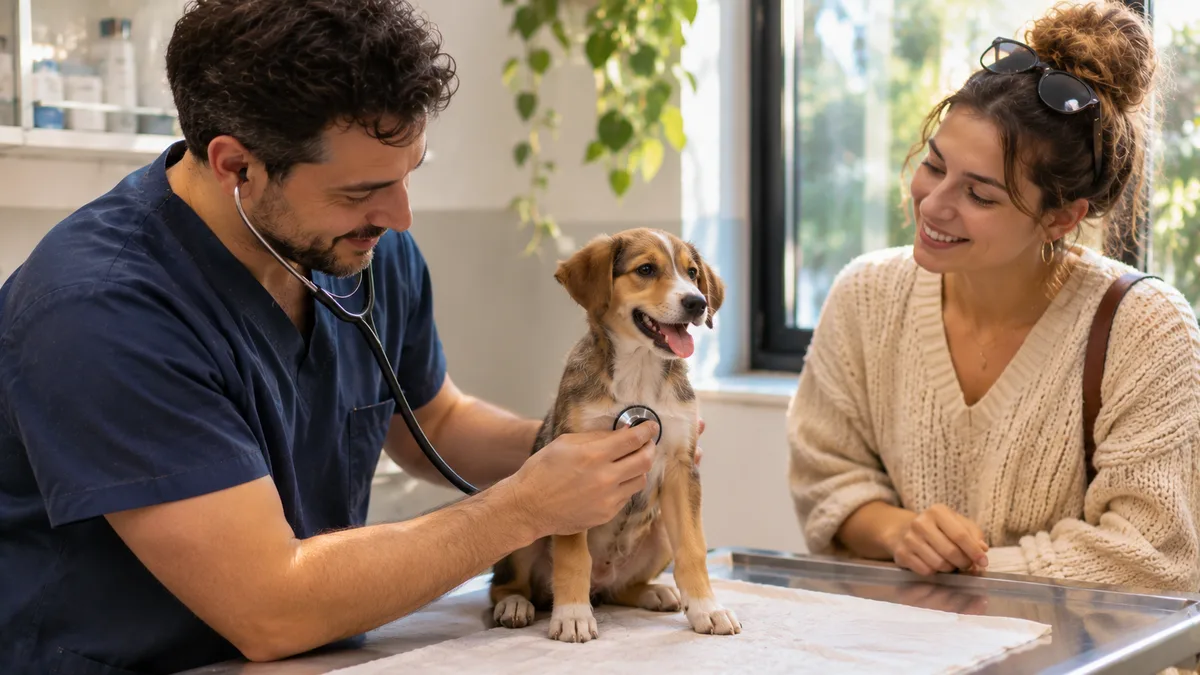
Be careful when adopting too: meet the animal, talk with the person rehoming it, and get a vet checkup in the first days. You can look at care facilities near you on the shelters page.
Frequently Asked Questions
Is it legal to buy a cat or dog through social media?
The law has no specific ban or permission for social media. Whatever channel the sale goes through, general rules apply, such as the seller's certificate (Article 5, Article 14/c), the animal being healthy (Article 10) and the age limit of 16 (Article 14/d).
Can someone ask for money in an adoption listing?
The law does not regulate this separately. However, a handover where money is asked in return is a sale, whatever it is called, and the general rules on sales come into play. In "adoption" listings that ask for a fee, pay special attention to the deposit warning signs above.
They are offering to ship the animal. Should I accept?
Any offer that requires you to pay without seeing the animal carries a risk of fraud. In addition, the law requires animals to be transported in conditions suited to their species and characteristics, and to be fed and cared for during transport (Article 4/ı). Seeing the animal on site and picking it up yourself is the safer choice for both you and the animal.
What if I see a listing for a banned breed?
Selling and advertising dangerous animals is prohibited by subparagraph (l) of Article 14; Provisional Article 3 names four breeds and their mixes under this scope. Adopting or keeping such an animal also falls under the same ban.
This post is for informational purposes; for your specific situation, consult a lawyer or your city or district directorate of agriculture and forestry.
If you want to give a home to an animal you saw on a screen, you can browse free adoption listings on DoldurKabı. If you know a cat or dog looking for a home, you can post a free listing and connect it with a family ready to take on the responsibility.