
Adopting a cat or dog from a municipal shelter in Isparta means offering an animal a safe and lasting life, beyond short-term kindness. Housing and transportation conditions differ between the city center, Eğirdir and Yalvaç, but the adopter's time, ability to provide care and home safety matter in every match. The shores of Lake Eğirdir and the lavender fields put outdoor life in the spotlight here, but you should not choose an animal just because there are lovely walking routes nearby. Age, energy, temperament and how long the animal will be home alone should all be weighed together. This guide explains the adoption path in Isparta; it makes no unverified claims about any specific facility, address, phone number or opening hours.
Where should you get current information?
Adoption listings, visiting conditions and application documents can change over time. Check the latest announcements on the official website of Isparta Municipality and the relevant district municipality. If you cannot find the information you need, ask the municipality's general contact channel to transfer you to the unit responsible for animal care. The Provincial Directorate of Agriculture and Forestry is another official source for questions about registration, identification and legislation. While researching options across Türkiye, you can use our shelter finder page. Do not act on location, phone or hours information from an old forum, map or social media post without confirming it.
Law No. 5199 and the adopter's responsibilities
Animal Protection Law No. 5199 gives municipalities responsibilities for protecting and caring for ownerless animals. During the adoption interview, the institution may share the animal's available records and observed traits. Your work schedule, the people in your household, your current pets and your care experience may be discussed. These questions are not meant to make adopters compete; they aim to assess a life that fits the animal's needs. After the handover, food, safe shelter, regular exercise, vet checkups and keeping records up to date are among the owner's long-term duties.
How does the process usually work?
- Find out how to apply: Ask the municipality's official unit about the current visit or form process in Isparta.
- Review your lifestyle: Draw up a realistic picture of your work hours, home safety, family support, travel and daily care.
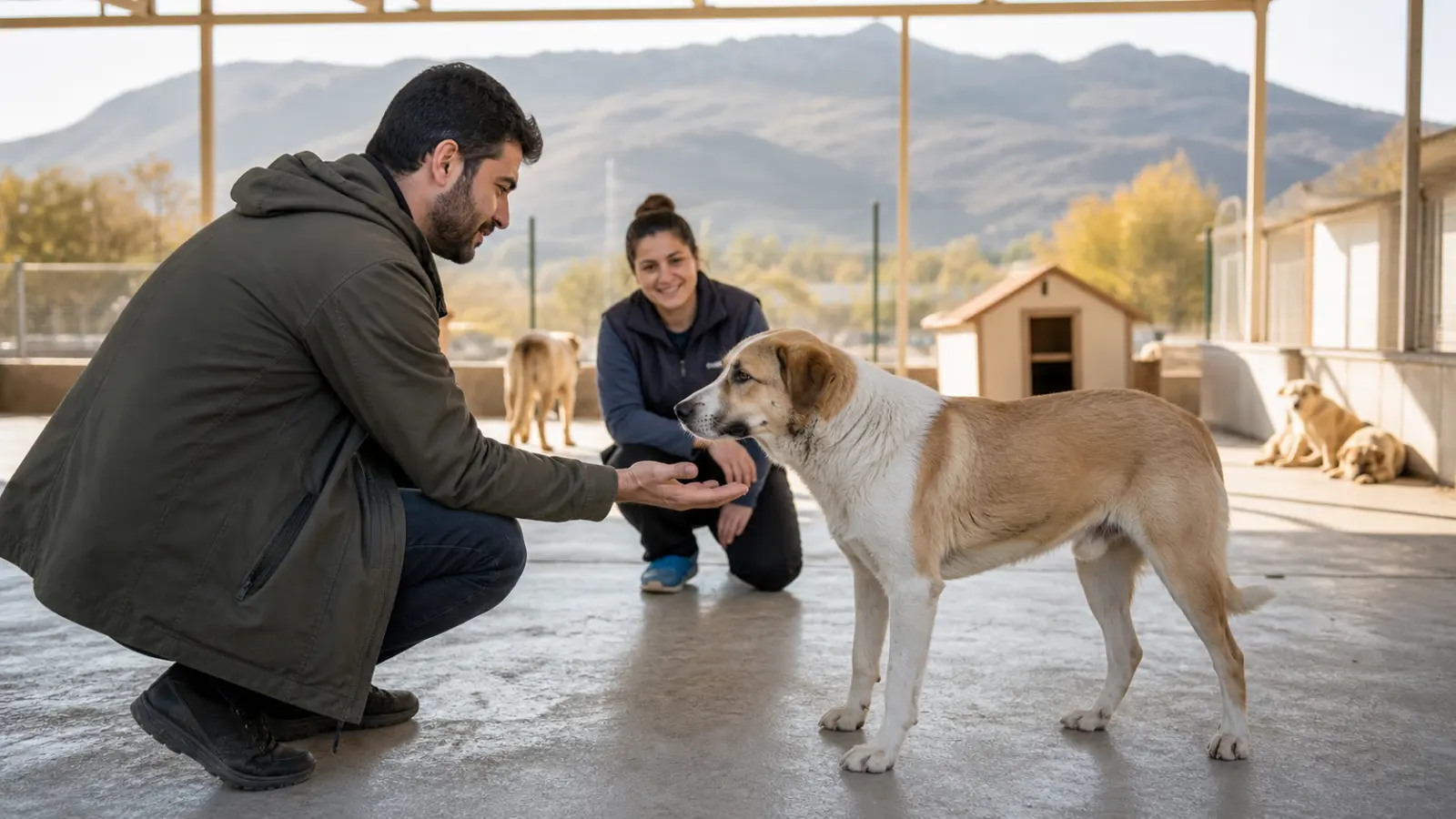
- Meet the animal calmly: Listen to the history the staff member shares and observe the animal's activity level and how it interacts with people.
- Review the available documents: Ask what stage the vaccination, spaying/neutering and microchip records are at.
- Read the agreement terms: Do not complete the process until the care, notification and follow-up conditions are clear.
- Plan the trip home: Head home calmly, with carrying equipment suited to the species and no unnecessary stops.
Every institution's current method and every animal's record file may be different. So do not treat a general online article as final for how things work in Isparta; confirm with the official staff member handling the process.
Conditions that affect the match in Isparta
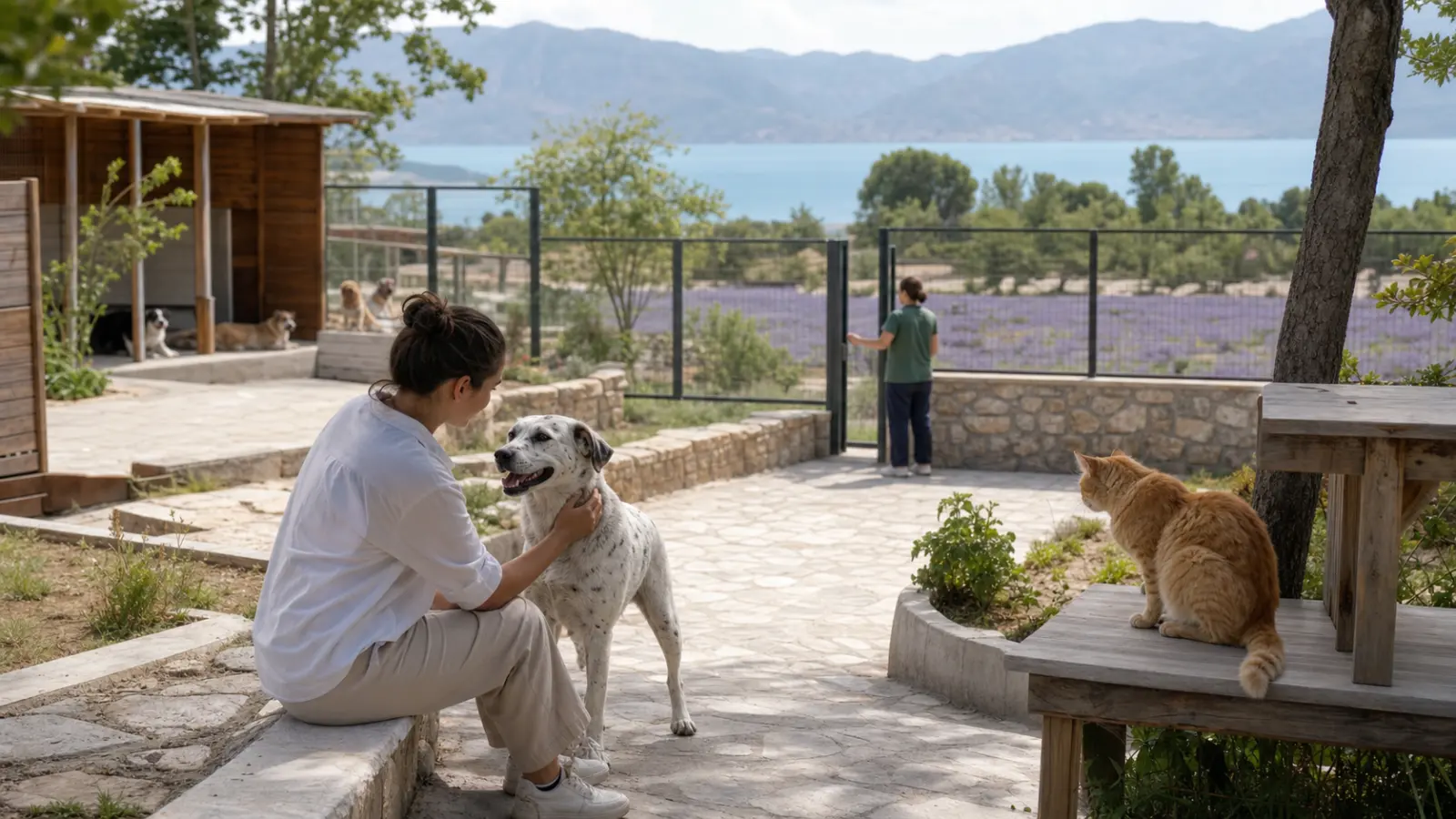
Lake Eğirdir is Isparta's iconic spot. Walks along the lakeshore may become part of your shared routine later, but taking a newly adopted dog to a crowded picnic area or on a long route in the first days may not be safe. Apartment doors and balconies in the city center, closeness to water in Eğirdir and different open-area crossings in Yalvaç each need their own checks. The pet-friendly lifestyle image tied to the lavender fields does not mean off-leash roaming is allowed on farmland. Plan walks, water and indoor rest for hot summer hours and cool winter days according to the animal's individual condition.
Prepare your home before the animal arrives
A calm, controlled space
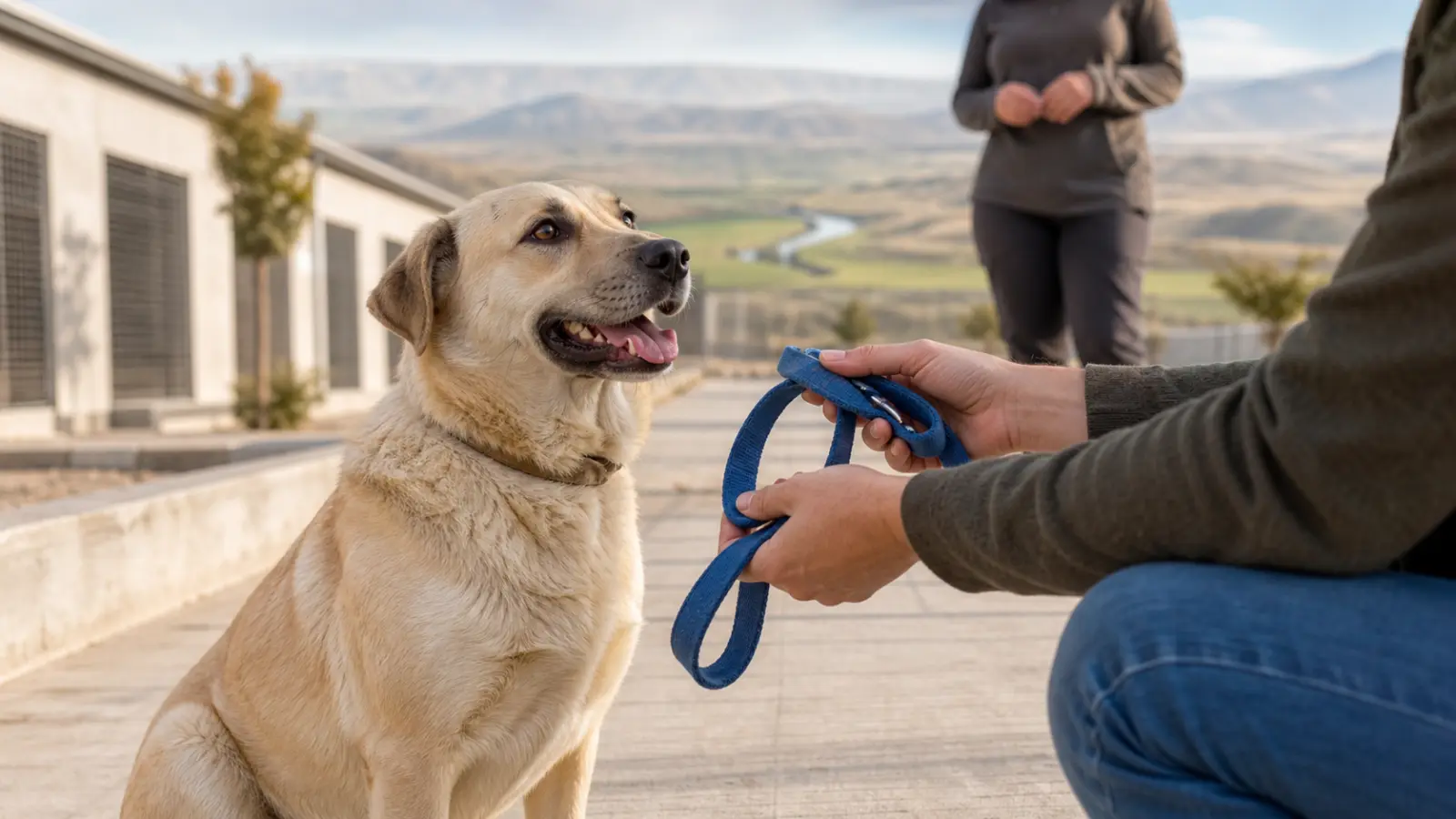
Set up a bed, water, food and a toilet area for the newcomer in a less-used part of the home. Check windows, balconies, the yard, the building entrance and the front door for escape risks. Medications, cleaning products and sharp or swallowable objects should be out of reach. Before the handover, check the lock on the cat carrier, and check that the dog's collar and leash fit together properly. Tell everyone in the household not to disturb the animal when it retreats to its safe corner.
Sharing daily care
Decide who is responsible for feeding, walks, cleaning up, play and keeping track of appointments. A child's wish may be the reason for adopting, but the main care duties should stay with the adults. Choose ahead of time who will help during vacations, busy work periods or health problems. Plan sustainable resources for food, routine vet care, registration, transportation and unexpected needs.
The first 72 hours: little stimulation, steady observation
In the first three days, do not expect the animal to quickly get used to the whole home and family. Postpone guests, keep noise down and let the animal decide when to make contact. Ask about the feeding information from the shelter; if you will switch to a different food, work out a gradual method with a veterinarian. Keep the water bowl in the same, easy-to-reach place at all times. Do not let a cat outside; for a dog's first walks, use safe equipment and a short, quiet route. Keeping notes on appetite, water, toileting, sleep and behavior makes it easier to get the right professional help when needed.
Safe introductions with your current pet
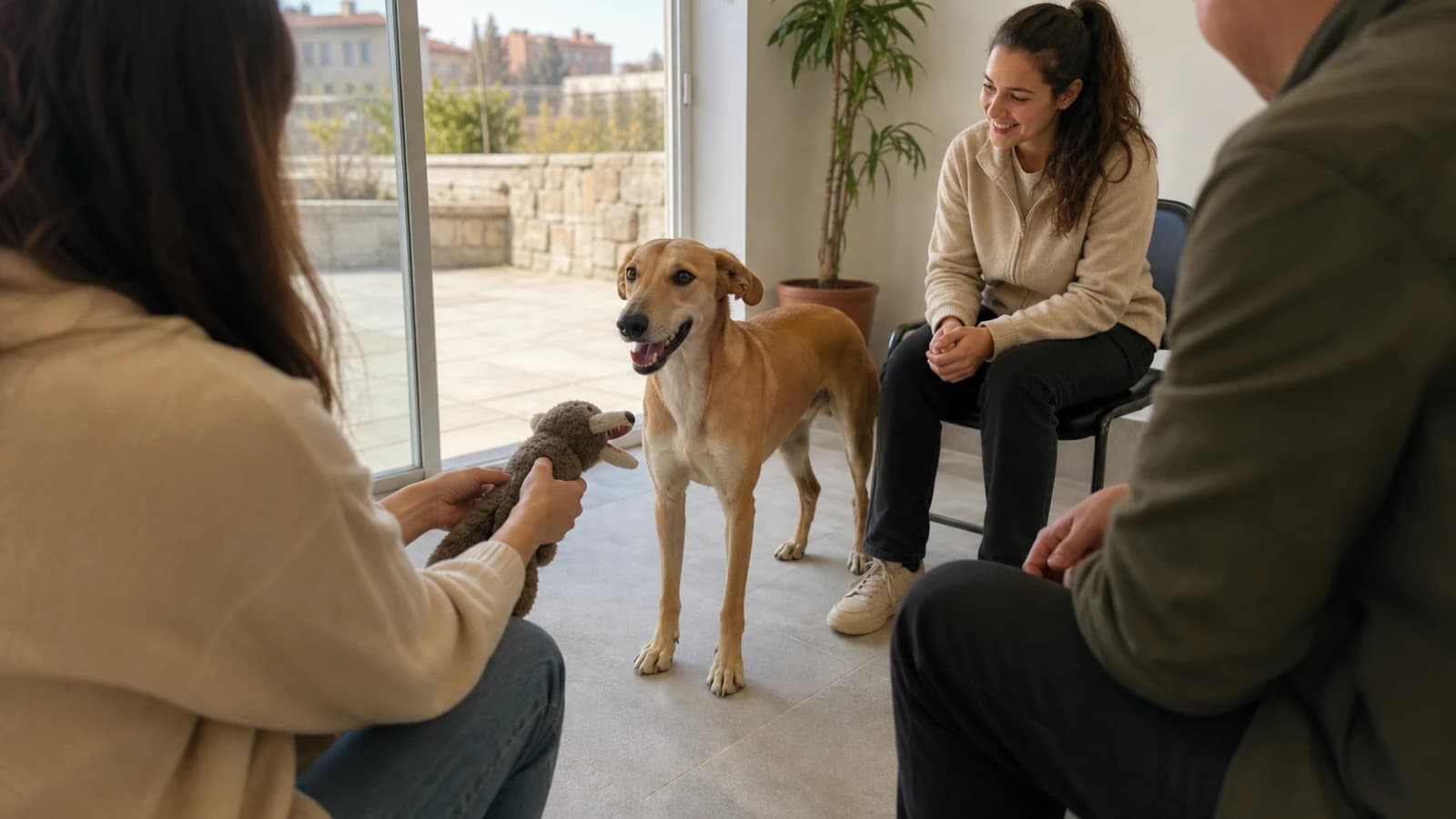
On the first day, do not leave the new animal in the area where shared resources are. Set up separate food, water, bed and toilet spots, and start with a scent swap. A controlled introduction between dogs can happen in a calm, neutral place as a short parallel walk with two adults. Cats can have short visits with a barrier once they have gotten used to each other's scent from behind a door. If tension rises, do not use punishment; shorten the time and increase the distance. If the problem continues, get support from a behavior specialist.
Notes to take at the handover meeting in Isparta
At the Isparta meeting, ask the staff member about the animal's daily feeding and rest routine, how it approaches people, its known fears and its experience with carrying equipment. Thinking about the trip home toward the city center, Eğirdir or Yalvaç, prepare a safe car setup and a calm route into the home ahead of time. Find out which records the institution in Isparta will hand over and what it expects from you as part of follow-up; do not make firm assumptions about timing or contact methods. Instead of filling in health or behavior details the Isparta staff member does not know with guesses, turn them into questions for a veterinarian or behavior specialist. Do not combine handover day in Isparta with long visits or crowded shopping trips; go straight back to the space you prepared. Sharing the notes you took at the Isparta meeting with your household helps everyone follow the same care routine and gives the animal a predictable start.
Think about adoption with the future in mind
Think now about how care will continue if the animal gets older, you move or your work schedule changes. Access to a yard, the lakeshore or open spaces does not replace regular human attention. You can browse listings in Isparta on the Isparta adoption page and other city resources in the Isparta city guide. Asking for time to think at the end of the meeting can be safer and more responsible than a rushed handover.
Frequently Asked Questions
Where should I start to adopt from a municipal shelter in Isparta?
Check the official announcements of Isparta Municipality or your district municipality, and confirm the current method with the relevant unit.
Can they ask for proof of residence in the application?
Identity, contact and residence information may be requested. Get the exact list of documents from the official institution before your visit.
How can I find out the animal's vaccination and microchip records?
Ask the staff member for the animal's current file, keep the documents you are given and plan any ongoing procedures with a veterinarian.
Can I take my new dog to the lakeshore right away?
First build trust with short walks in the calm area around your home. Add new, busy routes gradually as the animal becomes more comfortable.