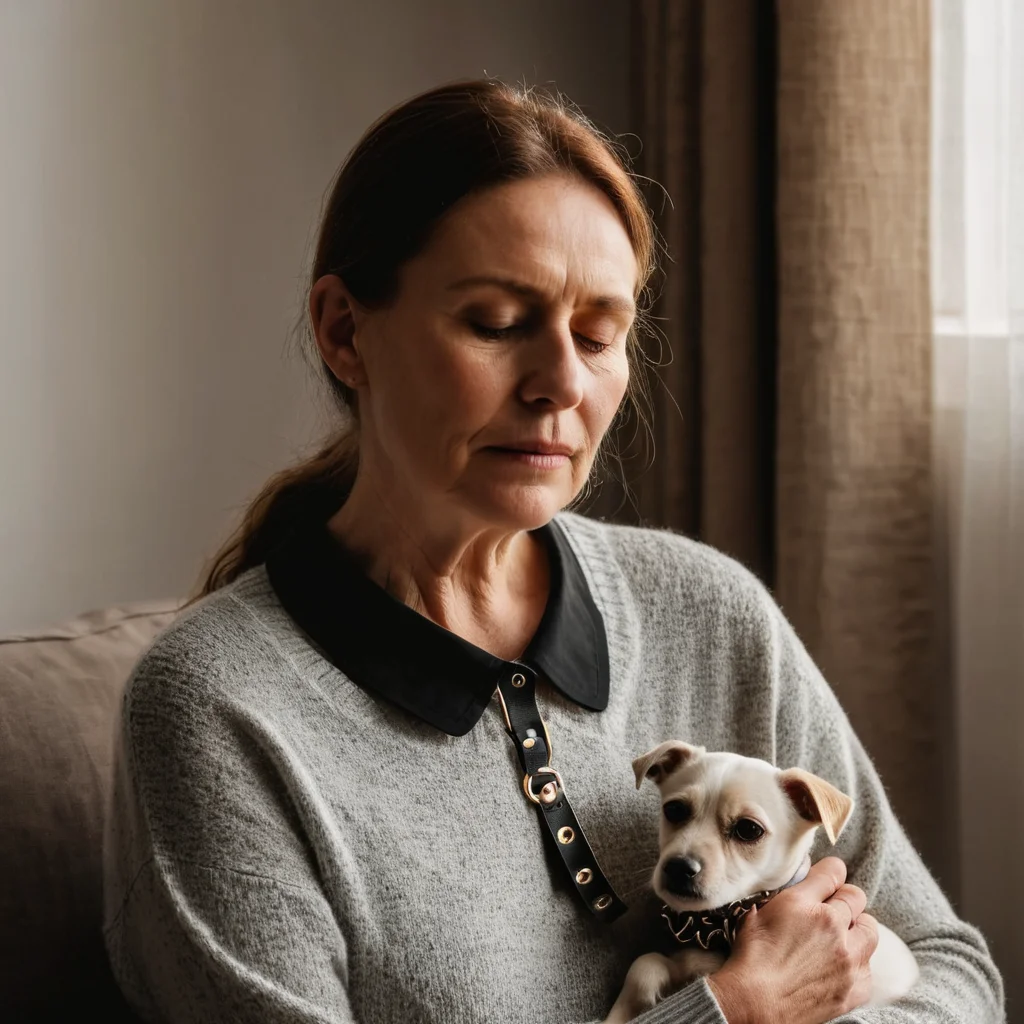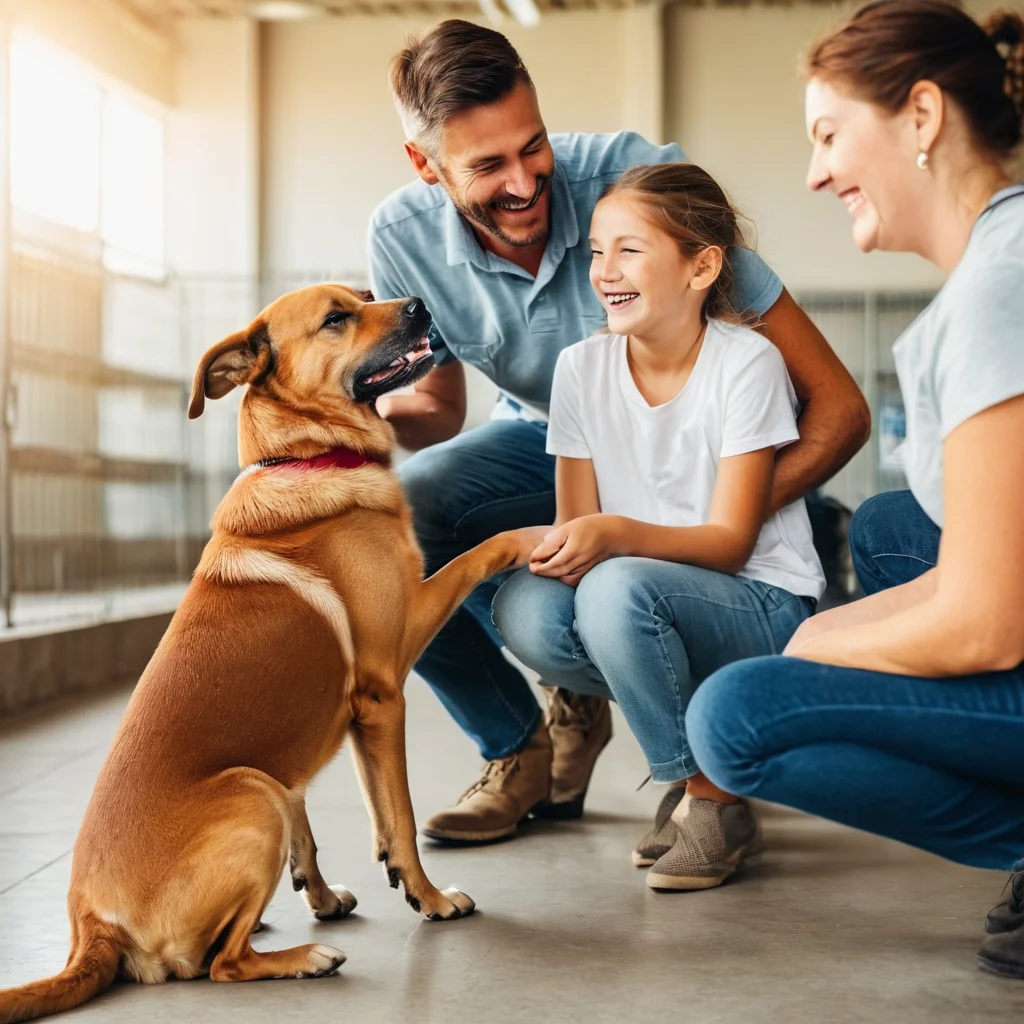

Every year in Istanbul, thousands of stray animals wait for a home in municipal shelters. Adopting from a shelter instead of buying from a pet shop is both an ethical choice and an act that saves a life. The shelter systems of the Istanbul Metropolitan Municipality and the district municipalities have improved over the last 10 years, with spaying/neutering, vaccination and socialization processes now standardized. In this post, we take a detailed look at adopting from municipal shelters in Istanbul: the application steps, the animal profiles and how to help your new pet settle in after adoption.
1. Istanbul's Municipal Shelter System
Istanbul has a two-tier system:
- Istanbul Metropolitan Municipality (İBB): Large temporary animal care centers in Yedikule, Büyükçekmece and Hasdal.
- District municipalities: District shelters in Sarıyer, Beylikdüzü, Pendik, Kartal, Tuzla, Beykoz and others.
There are 15+ shelters in total. The animal profile is generally:
- 70% dogs, 30% cats (the ratio varies by district)
- Mostly adults + semi-socialized animals
- In some cases, puppies, kittens + young animals
- Animals with special needs (disabilities, chronic illness) are few, but they are there
2. Municipal Shelters vs. Associations
There are two kinds of organizations:
- Municipal shelter: Official, both temporary (spay/neuter + treatment, then release back) and for adoption. Large numbers of animals, fast turnover.
- Association / nonprofit (NGO) shelter: Groups like Patiders, HAYTAP (the Animal Rights Federation of Türkiye) and ANYA. Smaller, with more individual attention for each animal. The adoption process is more detailed.
Both are equally good options: the animals' care and the goal of adoption are the focus in each.
3. Adoption Steps
- Research online: See the available animals on municipal websites + DoldurKabı.
- Initial phone call: Is the animal you're interested in available, what is its personality like, what is its health status?
- Shelter visit: Meet the animal face to face. More than one visit is normal.
- Interview + form: Your lifestyle, your home situation, your experience with pets.
- Home check (sometimes): Some associations do a home visit.
- Adoption agreement: Responsibilities and a commitment to the animal's welfare.
- Bringing the animal home: Usually the same day or the next.
- Post-adoption follow-up: The municipality or association calls after 1-3 months.
4. Questions to Ask Yourself Before Adopting
- Is my lifestyle right for an animal? (hours, travel, apartment size)
- Can I cover the monthly costs? (1,500-3,000 Turkish lira)
- Will my family (partner + kids) be supportive?
- Am I planning to live with an animal for 10-15 years?
- Do I have access to a vet?
- Will my lease be a problem?
- Do I have a care plan for business trips?
Answering these questions honestly shapes both the animal's future and yours.
5. Choosing Between a Dog and a Cat
Depending on your lifestyle:
- Dog: Two walks a day + socialization + training. An apartment poses some limited challenges.
- Cat: More independent, happy in a home with a balcony. Enrich the space with multiple levels (shelves, cat trees).
- Both: Possible with a careful introduction plan, but you need to be very careful.
6. Adoption Age: Young or Adult?
Advantages of a puppy or kitten:
- You can shape training + socialization.
- The bond with you forms early.
Disadvantages of a puppy or kitten:
- Potty training + chewing + training take 6-12 months.
- Their personality isn't fully clear yet, so there may be surprises as they grow.
Advantages of an adult:
- Their personality is clear, which makes it easier to choose.
- They usually already have basic training.
- No puppy or kitten chaos.
Disadvantages of an adult:
- They may have past trauma (abandonment, mistreatment).
- Settling in takes a bit longer (4-6 weeks).
7. The First 7 Days After Adoption
- Prepare a quiet room: A safe zone for the animal.
- Have food, water and a bed ready: Start with the same food it ate at the shelter and switch gradually.
- Slow introductions to the whole household: Family + other pets + kids.
- Vet visit (within the first 48 hours): General checkup, confirming vaccine status, microchip registration.
- Don't rush: The first 7 days are an observation period. Social outings + the park should wait (so the animal can shake off old stress).
8. Costs After Adoption
- First vet checkup + full blood panel
- Completing vaccines
- Spaying/neutering (if not already done)
- Food + supplies for the first month
- Microchip + registration
Fees depend on the city, whether it's a polyclinic or a hospital, after-hours visits, imaging or a hospital stay, and the animal's weight and age. Each city's Chamber of Veterinarians (Veteriner Hekimleri Odası) publishes an annual minimum fee schedule; the schedule is a floor, not a final invoice. Ask the clinic for a written or verbal estimate.
9. Legal Rules
- Animal Protection Law (Laws No. 5199 and 7332): Adoption is legal, and taking good care of the animal is a legal responsibility.
- Mandatory microchipping: Official as of 2025.
- Municipal registration system: Official registration in some districts.
- Penalties for neglect/cruelty: Administrative fines of 5,000-30,000 Turkish lira.
10. DoldurKabı + Community Support
- DoldurKabı app: Adoption listings from municipalities + associations in Istanbul, all in one place.
- Patiders, HAYTAP, ANYA, KEDİSEV: Association support and post-adoption advice.
- Social media groups: Information sharing across Istanbul's animal lover network.
- Association adoption events: "Adoption day" meetups.
Adopting from a municipal shelter saves one life + opens up a spot for another animal. The process is quicker + easier than you might think. In the DoldurKabı app, you can see the animals available at municipal shelters in Istanbul and start your adoption journey with their phone + address details.