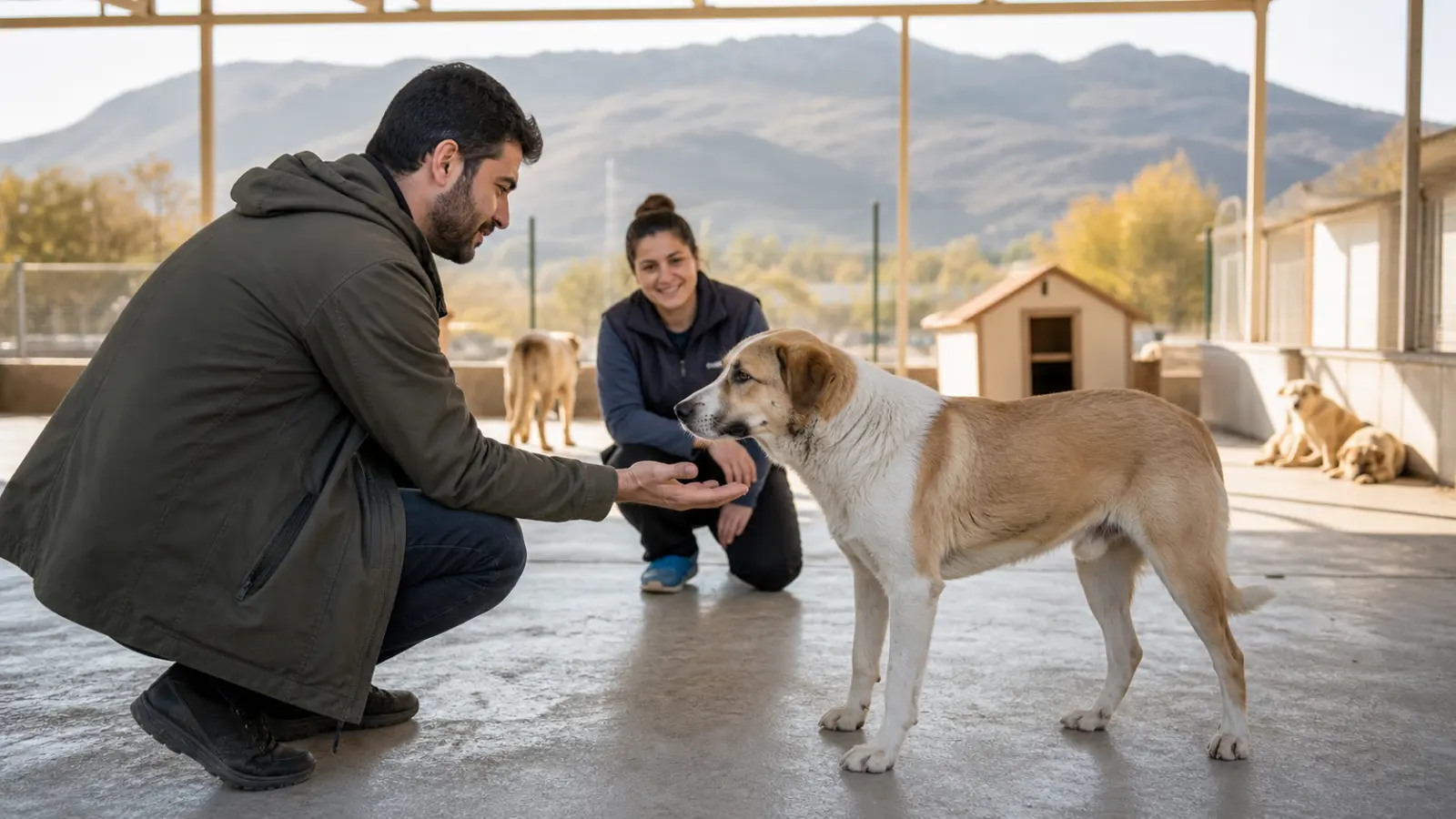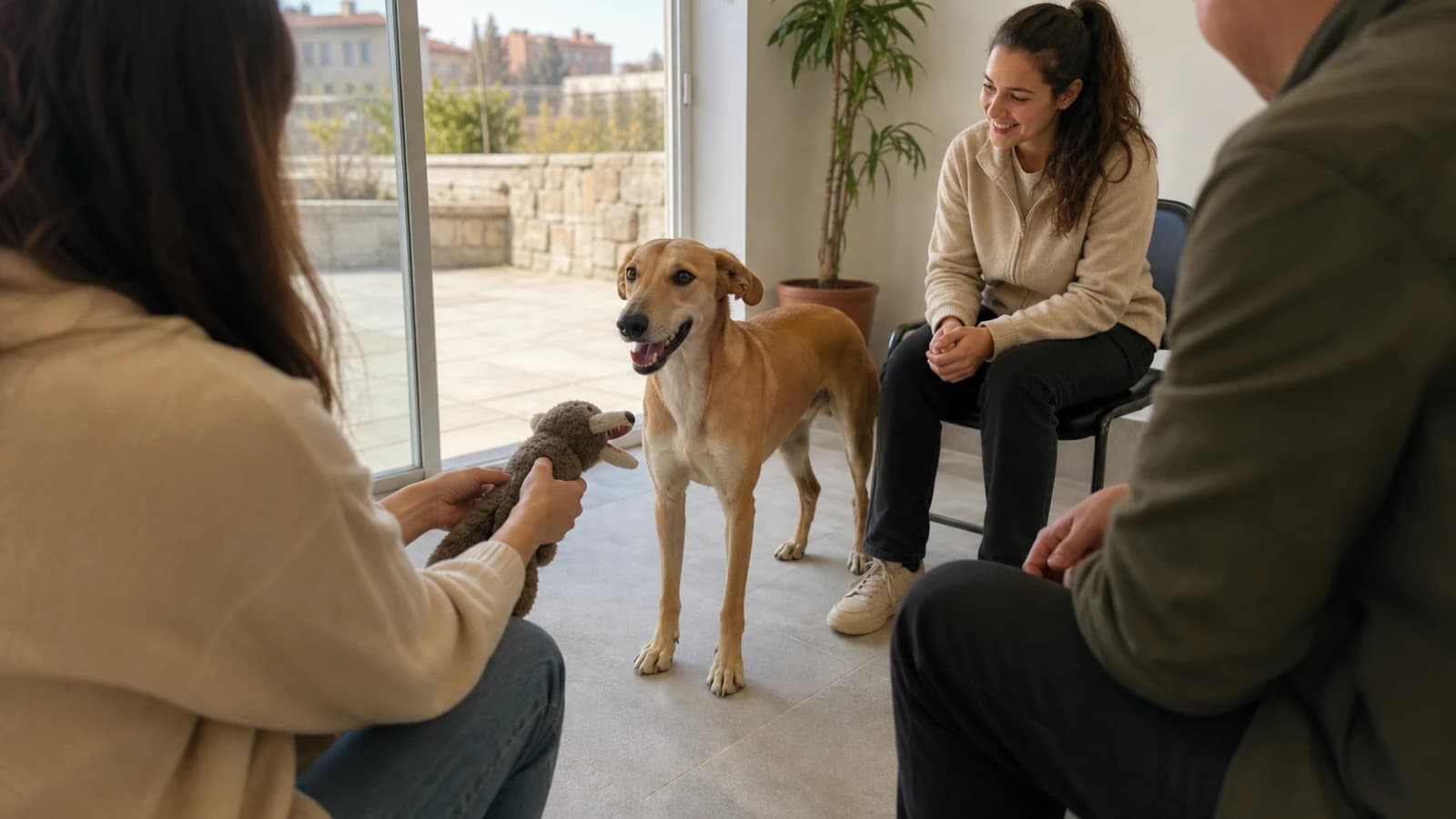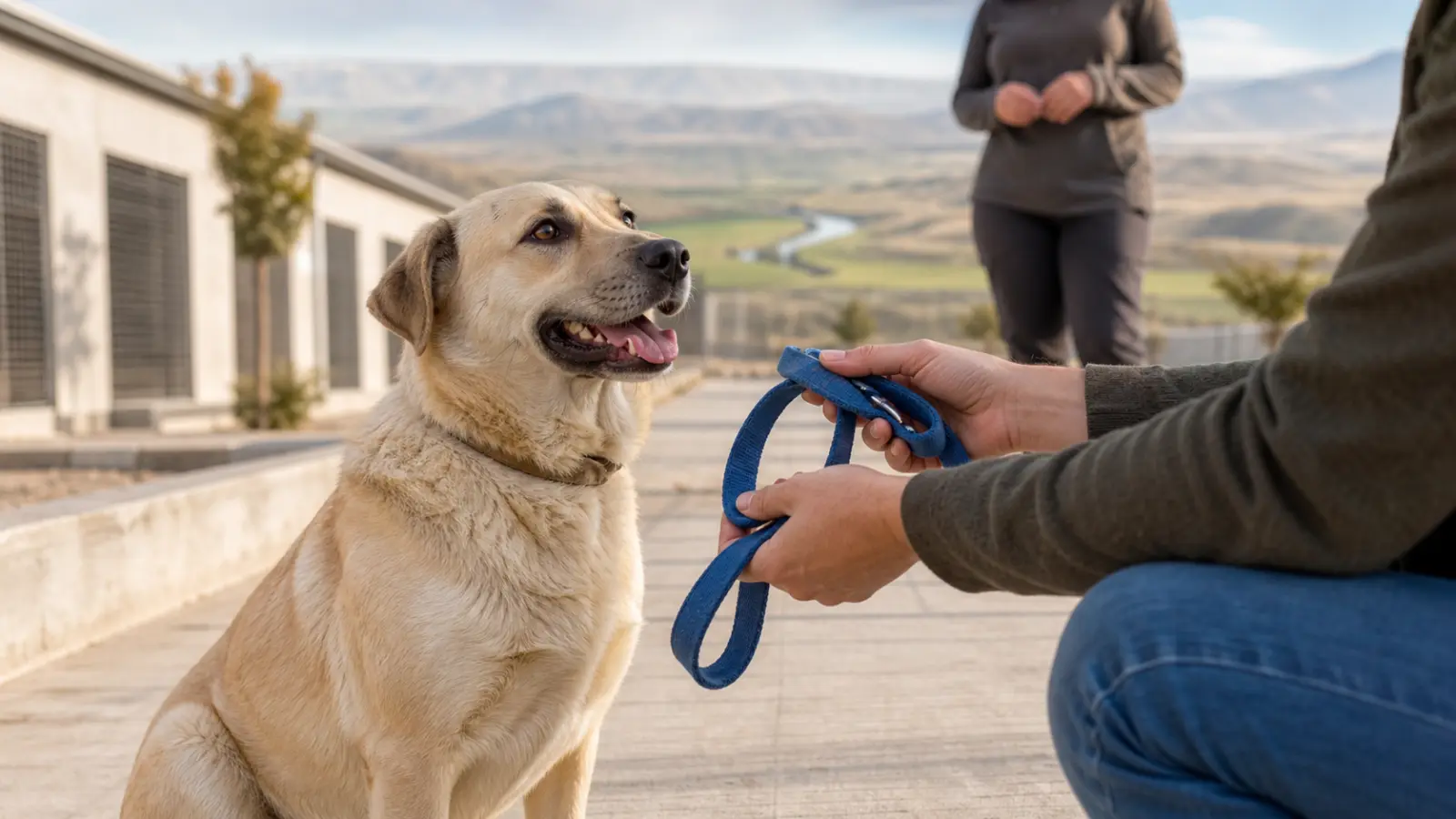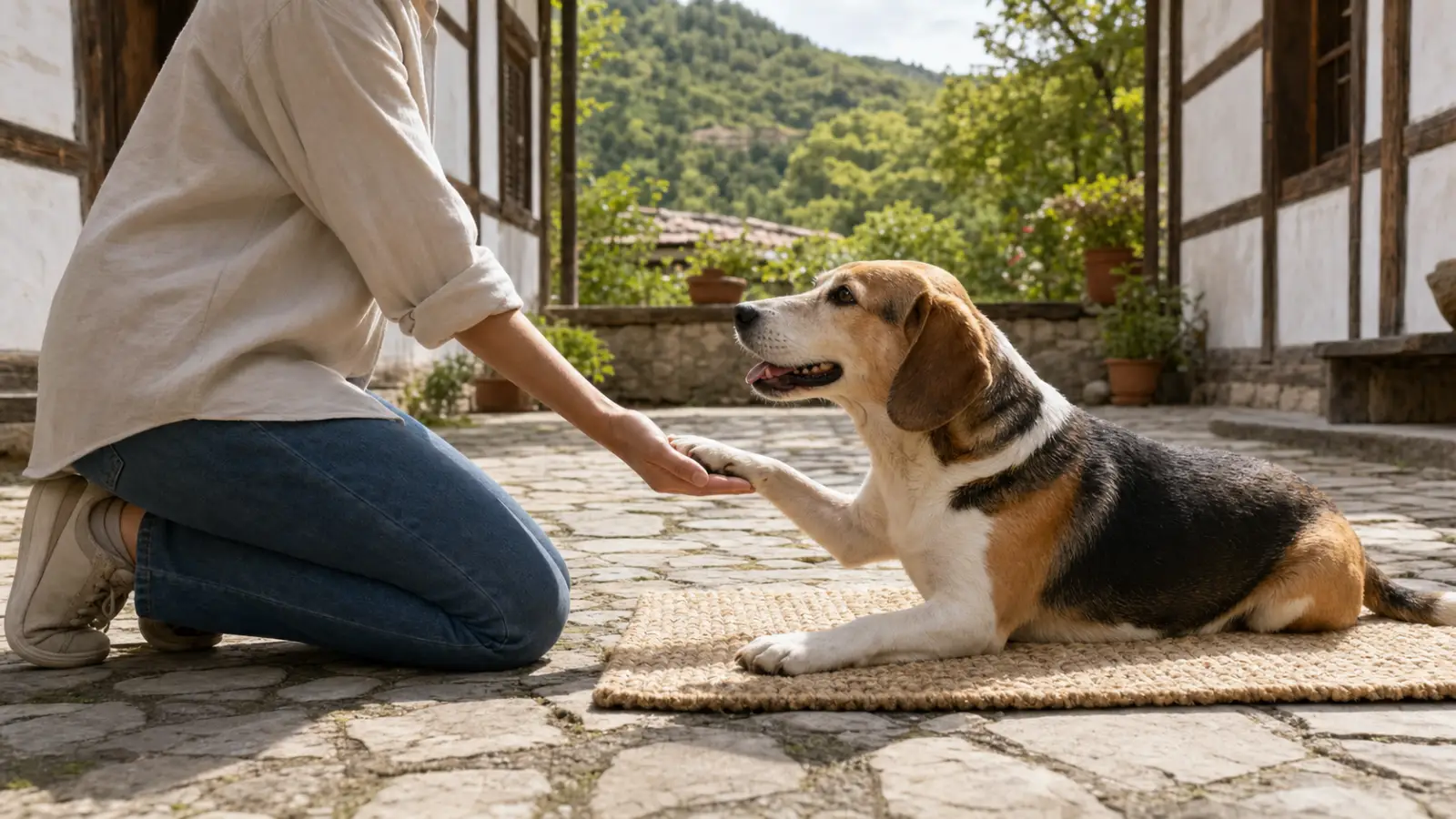

Adopting through the municipality in Karabük makes sense for people who accept years of care responsibility rather than acting on a passing whim. Whether you live in Merkez, Safranbolu, or Eskipazar, the core principles stay the same; your type of housing, transportation, work hours, and the other people in your home all affect what the right match looks like. This guide explains how to reach current official information in Karabük and plan for life after adoption, without claiming any facility name, address, phone number, or opening hours.
Where can you get current, reliable information in Karabük?
Visiting arrangements, the application method, and which animals are ready for adoption in Karabük can change over time. Before you head out, check the current announcements on the official websites of Karabük Municipality and the district municipality where you live. To look at your options in general, you can visit the shelter finder page. Don't rely on old addresses, phone numbers, or visiting hours that show up in search results about Karabük without confirming them with an official source.
The legal framework and lifelong care responsibility
The Animal Protection Law No. 5199 gives municipalities the duty of protecting and caring for ownerless animals; after the handover, feeding, safe shelter, exercise, registration, and veterinary follow-up are the adopter's ongoing responsibility.
Steps for adopting from a Karabük municipal shelter
- Ask the relevant municipality about the application process, how visits work, and which documents may be required.
- Get clear on who lives in your home, how long the animal will be alone, how care will be shared, and what budget you can sustain.
- Have the care, notification, and follow-up terms in the agreement explained to you before you sign.
- Take a cat straight home in a closed carrier, and a dog with a suitable collar and secured in the car.
How do you judge a match that fits your life?
An apartment routine in Merkez and the different housing and transportation conditions in Safranbolu or Eskipazar may not call for the same plan. Future outings around Safranbolu's historic houses may sound appealing, but long routes shouldn't be planned before you have observed the animal's age, energy, leash habits, and reaction to crowds.
When choosing in Karabük, focus on the animal's known temperament and real care needs rather than looks or a guessed breed.
In Karabük, a one-size-fits-all dog walking plan won't work for Merkez, Safranbolu, and Eskipazar. In Merkez, apartment life and city traffic stand out; in Safranbolu, the narrow, sloping streets of the historic district; and toward Eskipazar, longer car trips. Don't act as if Safranbolu has wide sidewalks; choose turning points in advance where your dog can get some distance when meeting other pedestrians or animals. Take the first walks on short routes with few visitors around. If you notice pulling, startling at sounds, or struggling on stairs, postpone the trip to the historic center and work on getting your dog used to the equipment in a calmer area.
Safranbolu's houses with their bay windows and its street cats make the town's character visible. This local culture of care doesn't mean it's safe for an adopted cat to roam the historic streets freely. Windows, roof gaps, and doorways in old buildings can create escape routes different from those in a modern apartment; check your home room by room. If you live in a home next to a rental or tourist property, also consider whether the shared entrance is opened often during the day. Meet your cat's need for stimulation not by letting it outside, but with vertical space, hiding spots, and regular play at home.
Humidity and rain influenced by the Black Sea climate make the routine after walks part of care. Keep an absorbent towel by the door and dry between the paw pads and any long fur; constant moisture shouldn't cause you to overlook skin problems that need a vet's assessment. If you're planning a weekend trip between Merkez and Safranbolu, test your animal's car experience with short drives first. If the shelter knows of a fear or a reaction to being transported, don't try narrow streets, the car, and crowds on the same day. The right match in Karabük covers not only whether your home is suitable but also having the time to keep up these transitions in every season.
Before making a final decision for Karabük, spend a week observing the routes you'll actually use between Merkez, Safranbolu, and Eskipazar. Write down separately the morning departure time for Merkez, any care visits that need a car for Safranbolu, and a bad-weather option for Eskipazar. Safranbolu's historic houses may express the town's identity, but success in daily care depends not on a touristy or symbolic outing but on a routine you can repeat around your home. The narrow streets and cat culture within Karabük's UNESCO heritage should be considered together with the animal's temperament; a romantic expectation about the local surroundings is no substitute for safe transport and regular human contact. If any task on your Karabük schedule isn't working, change the person responsible or the route before the handover. Your plan between Merkez and Eskipazar should cover not only sunny, calm days but also days when rain, heat, cold, or crowds cut down the time spent outside. When conditions in Karabük change, the animal's basic routine shouldn't fall apart. Time set aside for the area around Safranbolu's historic houses shouldn't cut into the essential daily care hours in Merkez.
Preparing your home before the handover
A calm, escape-proof space
- Put water and food away from the litter or potty area; place the bed, a hiding spot, and safe toys in a quiet part of the home.
- Check balcony netting, windows, the front door, and any yard access.
- Don't open up the whole house on the first day; let the animal move out from its safe area at its own pace.
A daily time and support plan
- Write down the morning and evening care routine, how long the animal will be alone, and who can help in an emergency.
- Set aside a sustainable budget for variable care costs; if you rent, review your lease and the rules for shared areas.
The first 72 hours in the new home
- Don't invite guests; don't force the animal into contact, out of its hiding spot, or into intense play.
- Keep fresh water within reach; note appetite, potty habits, sleep, and behavior.
- Don't change food abruptly; if needed, talk with a veterinarian about a transition plan.
- Don't let a cat outside; walk a dog briefly and calmly using safe equipment.
Controlled introductions if you have other pets
- Start with separate spaces and scent swapping; don't arrange a face-to-face meeting at the door.
- Don't force them to share food, water, beds, or litter or potty areas.
- When there's tension, shorten the time and increase the distance; if you can't keep everyone safe, get qualified behavior support.
What questions should you ask at the handover meeting?
- Ask about daily feeding and rest routines, how the animal approaches people, its fears, and its experience with being transported.
- Find out what's expected of you for follow-up; note any unknown details to discuss with an expert.
Long-term care and city resources
Don't base your adoption decision in Karabük only on your current schedule; make a backup plan for job changes, vacations, moving, and changes in your family situation. You can browse current listings in Karabük on the Karabük adoption page and other city-focused resources in the Karabük city guide.
Frequently Asked Questions
Where do I apply to adopt from a municipal shelter in Karabük?
Check the official announcements of Karabük Municipality or the district municipality where you live.
What documents might be required for an application in Karabük?
The exact list of documents required in Karabük can vary with the institution's current practice, so ask the relevant official office before you visit.
How do I find out the animal's vaccination, spay/neuter, and microchip status?
Ask the staff member in Karabük about existing records and review the documents you're given at handover.
What should I do if the animal doesn't settle in right away at my home in Karabük?
Keep your home in Karabük safe and give the animal time; if a health or safety concern comes up, don't make a sudden decision before talking with the municipal office, a veterinarian, or a behavior specialist.