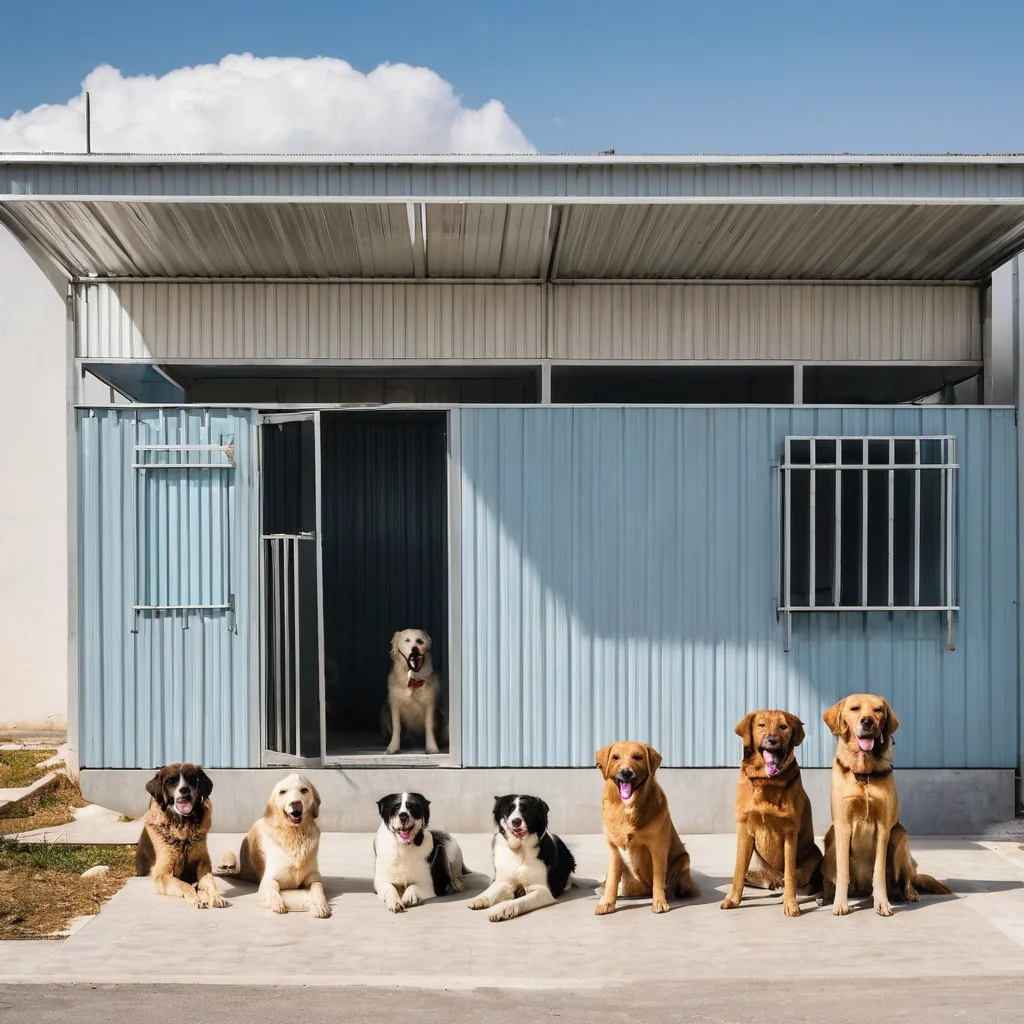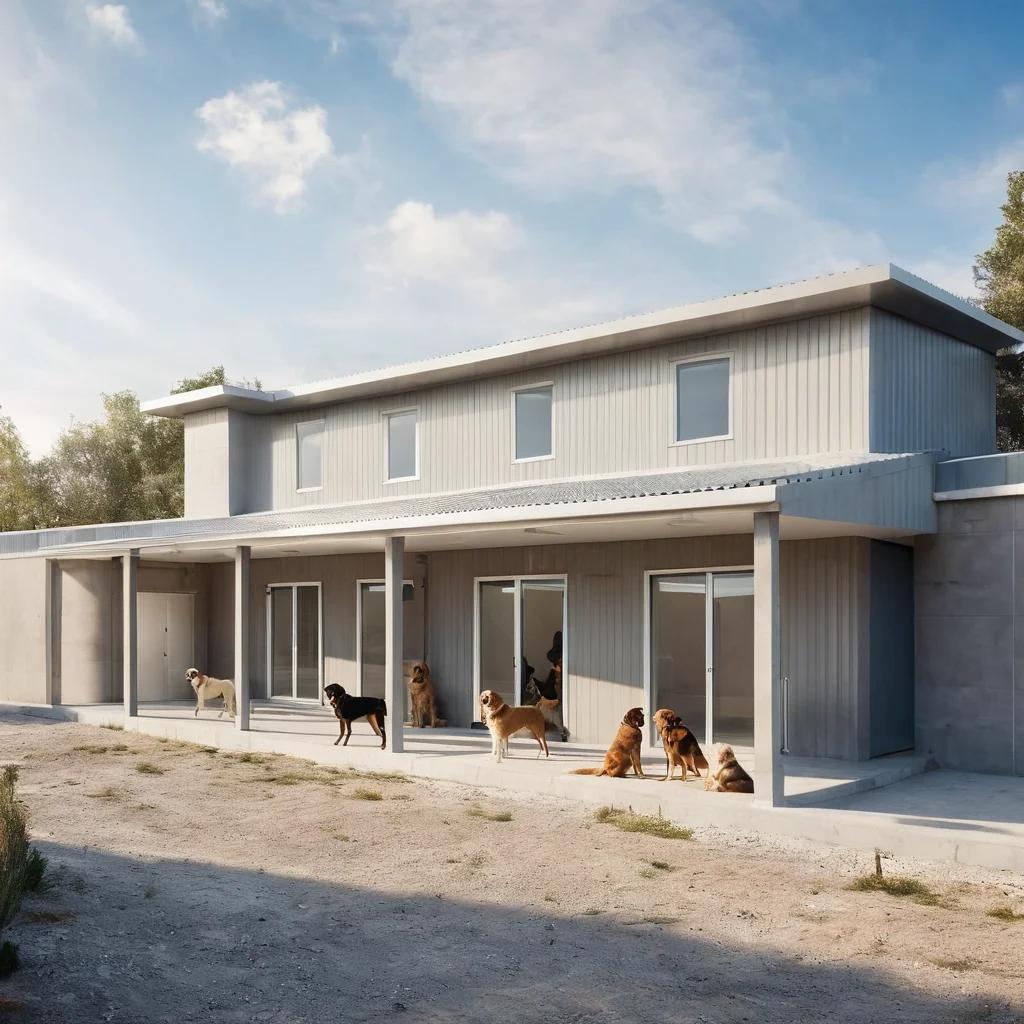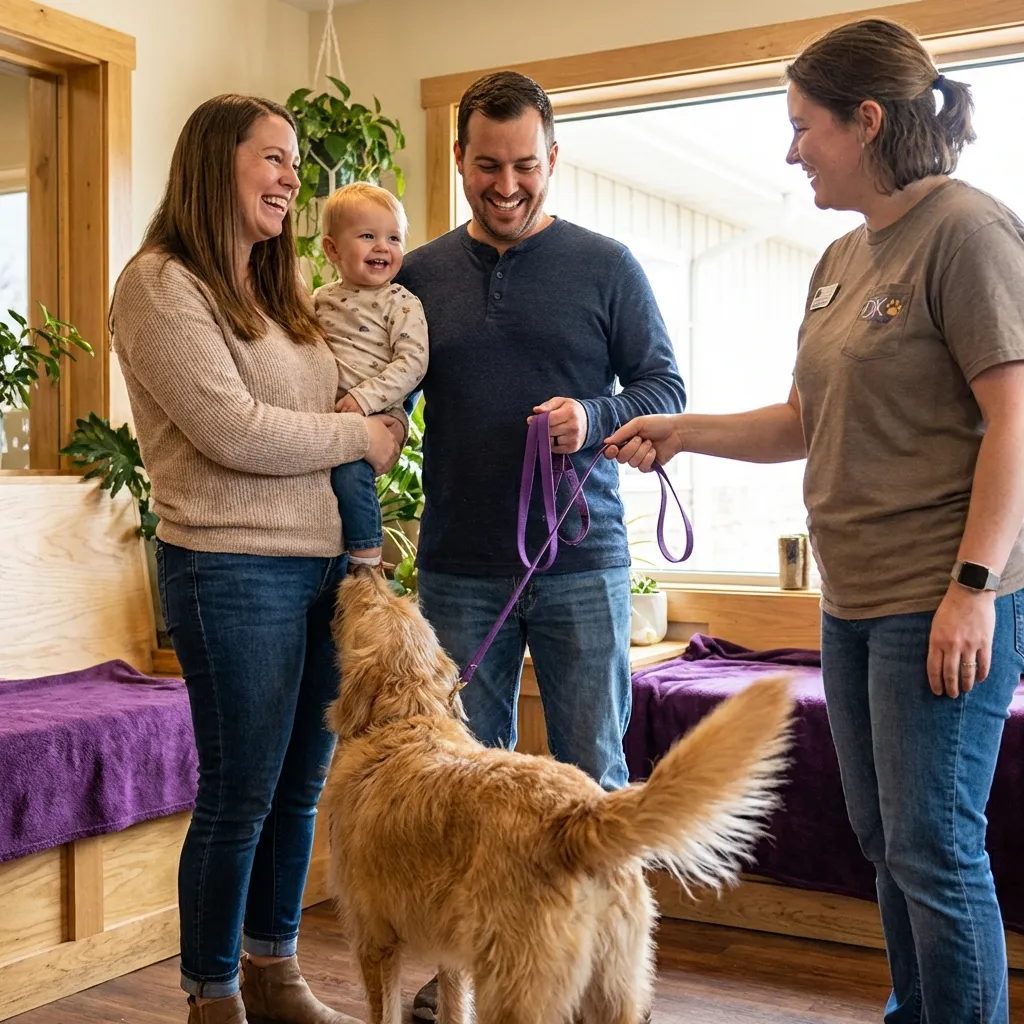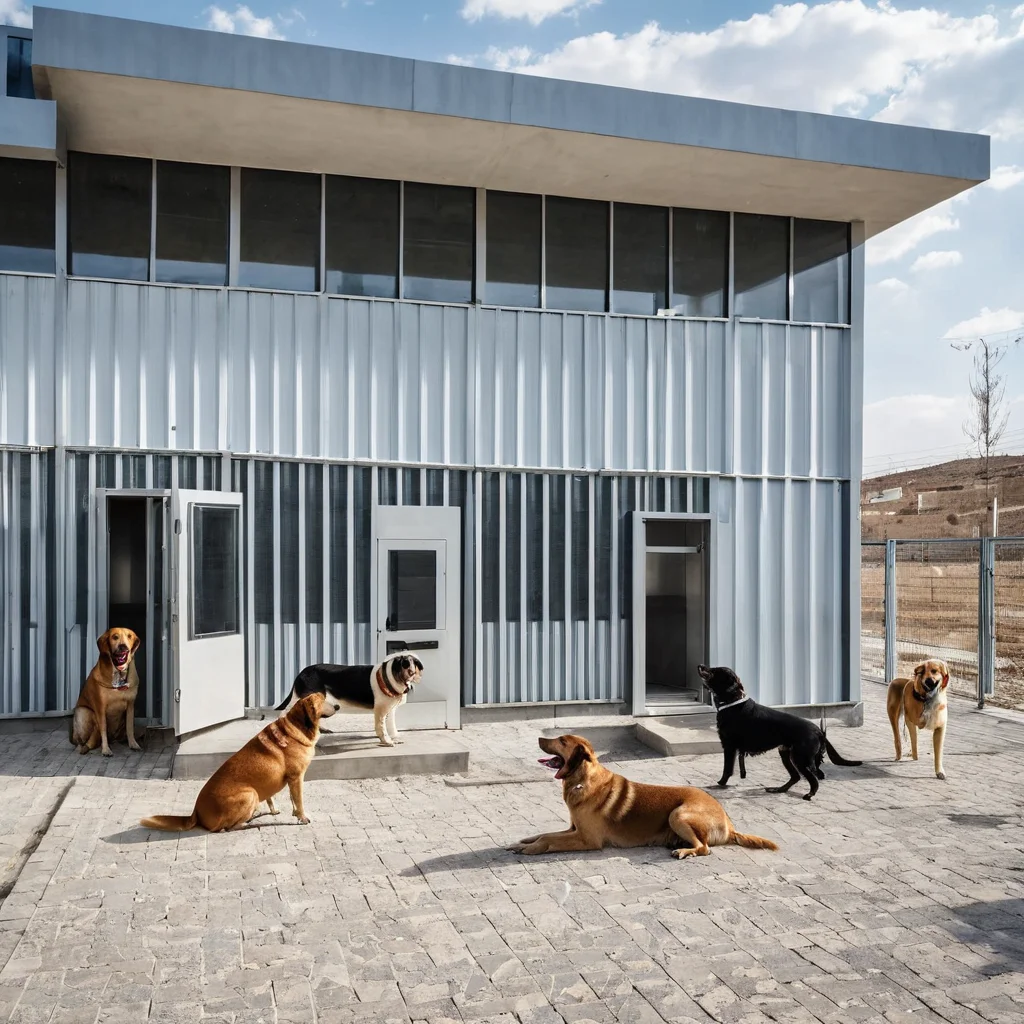

Kayseri, an industrial city in Central Anatolia at the foot of Mount Erciyes, has seen its municipal shelter system grow quickly in recent years. The Kayseri Metropolitan Municipality (Kayseri Büyükşehir Belediyesi, KBB) and the district municipalities (Melikgazi, Kocasinan, Talas, İncesu) run care centers for stray animals. The adoption process is free, simple and supportive. Adopting from a shelter instead of buying from a pet shop saves an animal and helps keep more animals from ending up on the street. In this post we look at the process of adopting from municipal shelters in Kayseri, the application details and how to help your new pet settle in after adoption.
1. How Kayseri's Municipal Shelters Are Organized
- Kayseri Metropolitan Municipality Temporary Animal Care Center: The main facility near the city center, with capacity for hundreds of animals. The building is heated in winter.
- Melikgazi Municipality: A modern district with a stray animal care center and an adoption program.
- Kocasinan Municipality: The most populous district, with a large shelter capacity.
- Talas Municipality: Close to Erciyes University, with strong cooperation with the university community.
- İncesu Municipality: A small district shelter.
- Rural districts (Develi, Bünyan, Yahyalı, Pınarbaşı): Local care units with limited capacity.
2. Adopting from a Municipality vs. an Association
- Municipal shelter: The official system, free, with a wide range of animals. Heating infrastructure suited to the continental climate.
- Association shelters: Kayseri Hayvan Severler Derneği, Pati Kayseri and Erciyes Hayvansevenler are smaller facilities with more individual attention per animal.
- University community: Students at Erciyes University's Faculty of Veterinary Medicine are active in stray animal care and adoption. Medical support is strong too.
- Adoption through local shopkeepers: In Kayseri, informal adoption of "neighborhood animals" that shopkeepers have cared for over a long time is common.
3. Adoption Steps
- Research online: Available animals on municipal websites or DoldurKabı.
- Phone call first: Information about the animal, availability and a visit appointment.
- Shelter visit: Meet face to face. In winter, the warmer late-morning hours are preferred.
- Interview and application form: Lifestyle, home situation (do you have heating?), experience with pets.
- Approval: The municipality or association assesses whether the animal is a good match for you.
- Adoption agreement: Responsibilities and the conditions for returning the animal.
- Bringing the animal home: A mild time of day is preferred, especially in winter, to avoid cold shock.
- Follow-up: A phone call or home visit after 1-3 months.
4. What to Think About Before Adopting
- Does my lifestyle fit? (work hours, apartment size, travel)
- Is my heating good enough? A combi boiler or natural gas heating is a must for a Kayseri winter.
- Monthly costs? (950-3,300 Turkish lira, higher for a dog)
- Family support?
- A 10-15 year commitment?
- Access to a vet? (Erciyes University's Faculty of Veterinary Medicine is an advantage)
- Lease agreement? (Building management approval)
- A care plan for when winter roads are closed?
- Can you cover the winter electricity and gas bills?
5. Dog vs. Cat in Kayseri
Kayseri's climate is tough on both, but in different ways:
- Cat: Indoor apartment life, where winter warmth is critical. Heating and insulation are enough to adopt a street cat.
- Dog: A winter coat is a must for walks. Small and medium breeds suit apartments; large breeds (Kangal, Akbaş) suit a house with a yard or rural life.
- Mixed breed (street dog): Adapted to the local climate, which makes it the most practical choice for adoption.
6. Kayseri-Specific: The First Week After Adoption
- First night: The move from shelter to home calls for a warm corner, an insulated bed and plenty of water.
- Vet visit (within 3-7 days): General health check, any additional vaccines, deworming check.
- Parasite program: Deworming in the dry climate, flea and tick treatment from late May, plus an annual heartworm check.
- Microchip and DoldurKabı registration: For quick identification if your pet gets lost.
- Food transition: Gradually switch from shelter food to home food over 7-10 days.
- Winter adjustment: Animals that lived on the street need 1-2 weeks to adjust to a heated home.
7. Adopting a Stray Animal in Kayseri
Adopting a stray animal is relatively common in Kayseri. The dry climate makes street life more sustainable, but in winter, urgent help is needed. The right protocol:
- Capture: Safe capture with the help of a vet or an animal aid association. In winter, transport in a warm vehicle.
- First vet visit: A full health check, rabies vaccine, deworming and flea and tick treatment.
- Spaying/neutering: Free or affordable with support from the municipality or the Erciyes University student clinic.
- Quarantine: 2 weeks of observation at home, kept apart from other pets.
- Microchip: A legal requirement.
8. Financial and In-Kind Donations
- Financial: The official bank account of the municipality or association.
- Food donations: Dry food and wet food, choosing types that won't spoil in summer.
- Blankets and beds: Insulating materials are critical for a Kayseri winter.
- Heating supplies: Fuel or electricity support for heating the shelter.
- Veterinary volunteering: If you are a vet student, you can volunteer at Erciyes University.
- Sharing on social media: Sharing municipal and association adoption listings is free help.
9. Long-Term Care After Adopting in Kayseri
- Annual vaccine boosters: Combination and rabies vaccines, following your vet's plan.
- Annual parasite program: Deworming all year round, flea and tick treatment from May to October.
- Annual checkup: Blood work, urine test and teeth. Affordable at Erciyes University.
- Spaying/neutering: Between 6 and 12 months, for population control and health.
- Winter clothing care: Cleaning your dog's coat or sweater and checking their paw boots.
- Dental care: Dry air can make gums sensitive, so get an annual checkup.
10. Frequently Asked Questions
Did Kayseri's shelter animals grow up on the street? Most did, and some are pets that ended up without an owner. Ask the shelter about the animal's temperament. In Kayseri, the dry climate means animals that lived on the street for a long time are in relatively good health.
Is there a fee for adoption? No, adoption from municipal shelters is completely free. Most animals already have their vaccines and microchip.
What ages are available? Puppies and kittens, adults and seniors: every age group.
What if it doesn't work out after adoption? Municipal shelters accept returns; first, getting help from a vet and a behaviorist is recommended.
How does adoption through Erciyes University's Faculty of Veterinary Medicine work? Student groups organize adoptions for the stray animals cared for on the university campus. You can contact them directly.
Adopting from a municipal shelter in Kayseri is an animal-friendly choice. With the extra care the continental climate calls for, support from Erciyes University's Faculty of Veterinary Medicine and digital tracking through DoldurKabı, ongoing care is manageable. In the DoldurKabı app, you can find adoption listings, vet clinics and neighborhood care resources in Kayseri.