


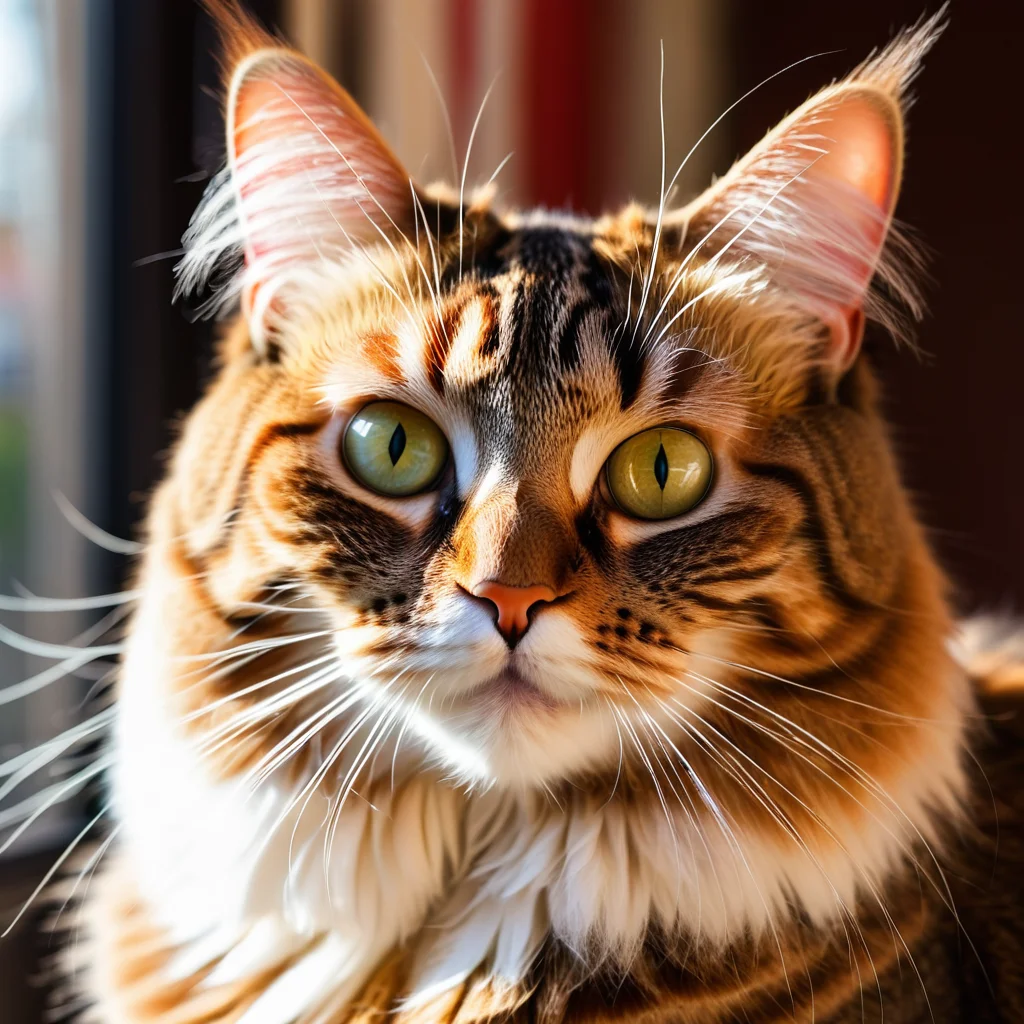

Kayseri is Central Anatolia's hub of industry and universities: a city of 1.4+ million people built on the foothills of Mount Erciyes. Cat ownership in Kayseri grew out of a culture rooted in traditional neighborhood life and has evolved into modern apartment cat living in the districts of Melikgazi, Kocasinan, Talas and İncesu. The harsh winters and dry air of the continental climate call for special care. In this post, we look at the climate challenges of owning a cat in Kayseri, the differences between neighborhoods, the vet network, the costs and the ways to adopt.
1. Cat Culture in Kayseri
Kayseri's cat culture has two layers: in rural areas (Develi, Bünyan, Yahyalı), farm and barn cats are common, while in the city center, modern indoor apartment living for cats is growing. The population, made up largely of civil servants, industry workers and university communities, is generally animal-friendly. The presence of the Erciyes University Faculty of Veterinary Medicine gives Kayseri an advantage in cat health, since a referral hospital for complicated cases is right in the city. Municipal spay and neuter campaigns are active.
2. Apartment Living: Across Kayseri
- Usually not a problem: Kayseri's apartment culture is flexible, and neighbors tend to be supportive about cats.
- Apartments are usually large: Two- and three-bedroom units are common, and industry earnings plus civil service salaries make larger homes more within reach.
- Balcony use: The balcony can be used in summer (summers are relatively cool). Keep it closed all winter and check the insulation.
- Heating is critical: An apartment without a combi boiler or natural gas heating is a winter risk for a cat. Insulation matters in older buildings.
- Lease agreement: New and gated housing complexes may have bylaws; older apartment buildings tend to be flexible.
3. Neighborhood Life: Melikgazi & Kocasinan
Kayseri's two large central districts:
- Melikgazi (Yenidoğan, Hisarcık, Esentepe, Kümbet): The modern center, with many vet clinics, shopping and business life (Kayseri Forum). Ideal for an apartment cat.
- Kocasinan (Sahabiye, Şeker, Anbar): The most populous district, with a mix of older apartment buildings and new complexes. Traditional neighborhood life, with local shopkeepers who feed street animals.
- Foothills of Mount Erciyes: Toward Hisarcık and Hacılar, at higher altitude, with harsher winters.
4. Neighborhood Life: Talas, İncesu & Other Districts
Talas (Talas center, Mevlana, Susam): Close to Erciyes University, with many students and fast-growing modern housing complexes. A mix of apartments and houses with yards.
İncesu (İncesu center, Subaşı): A smaller district with a traditional feel. Vet access is moderate.
Develi, Bünyan, Yahyalı (larger districts): Rural and local life. Farm and barn cats are common. Vet access is limited.
Hacılar, Pınarbaşı, Sarız (mountain districts): High altitude and harsh winters. Indoor living is a must for cats.
5. The Vet Network
Kayseri has a large number of vet clinics:
Clinics cluster around the busiest areas, 24-hour emergency care, the Erciyes University Faculty of Veterinary Medicine (Talas) and exotic animal clinics; which one is open on a given night varies.
On the DoldurKabı platform, you can see the clinics in your neighborhood on a map.
6. Monthly Cost Items (Kayseri)
- Food
- Litter
- Vet visits + vaccines
- Medication + parasite protection
- Toys + supplies
- Extra winter costs: Warm bed, insulation materials, heating mat (yearly)
Fees depend on the city, whether it's a polyclinic or a hospital, after-hours visits, imaging or a hospital stay, and the animal's weight and age. Each city's Chamber of Veterinarians (Veteriner Hekimleri Odası) publishes an annual minimum fee schedule; the schedule is a floor, not a final invoice. Ask the clinic for a written or verbal estimate.
7. Climate: The Most Critical Factor for Cats in Kayseri
Kayseri has a harsh continental climate, made even colder by Mount Erciyes:
- Winter (November to March): Between 10°C and -20°C, with heavy snowfall. Indoor heating is a must, along with an insulated bed and sealing the gap under doors.
- Summer (June to August): 25-32°C and dry. Air conditioning is optional; living with the windows open works.
- Spring/Fall: Short, with swings in temperature. Watching your cat on the balcony is comfortable.
- Low humidity (~50%): A cat's skin and coat dry out. Encourage drinking.
- Dry continental climate → less parasite pressure: Compared with Mersin or Adana, there are fewer external parasites (fleas, ticks); a deworming schedule is enough.
- Spring seasonal allergies: Pollen levels around Erciyes can be high.
8. Ways to Adopt
- DoldurKabı app: Adoption listings in Kayseri.
- Kayseri Metropolitan Municipality: Temporary animal care center + adoption campaigns.
- District municipalities: The Melikgazi, Kocasinan, Talas and İncesu municipal shelters are active.
- Associations: Kayseri Hayvan Severler Derneği, Pati Kayseri, Erciyes Hayvansevenler.
- University community: The Erciyes University campus has a care unit for street cats; vet students organize adoptions.
- Adopting from the street: Street life is less dangerous in a dry climate, but a vet checkup, vaccines and spaying/neutering are still a must.
- Rural adoption: In Develi and Bünyan, farm cats can settle into a compatible life, but bonding takes time.
9. Kayseri-Specific Tips
- Winter prep (late October): Warm bed, heating mat, sealing the gap under doors. Because of Mount Erciyes, temperatures can drop to -20°C.
- Summer dryness: A water fountain + extra wet food.
- Around the university (Talas): Students come and go, so have a plan ready for transporting your cat and for temporary care.
- Accidents near industrial areas: Around the Organized Industrial Zone, watch out for traffic and chemical leaks.
- Erciyes University vet student clinic: Affordable prices + good supervision, a popular choice especially for spaying/neutering.
- Indoor activity in winter: 4-5 months indoors → toys, a scratching post and a window spot for bird watching are a must.
10. 5 Practical Tips
- Get to know the vet in your neighborhood: Kayseri is an industrial city, winter roads may close, and a nearby vet is critical.
- Microchip + DoldurKabı digital record: Quick identification if your cat goes missing, especially in the winter months.
- Insulation check before winter: In late October, check door and window insulation and set up a warm corner.
- Yearly deworming schedule: External parasite pressure is low in a dry climate, but internal parasites (worms) shouldn't be skipped.
- Visit a municipal shelter: Get information on adapting to the continental climate before you adopt.
Owning a cat in Kayseri, a city with harsh continental conditions, views of Mount Erciyes and a strong vet network (the Erciyes University vet faculty), is a sustainable experience. Winter may be tough, but with the right preparation (heating + insulation + water), your cat can live a long and healthy life. In the DoldurKabı app, you can find adoption listings, vet clinics and animal-friendly places in your Kayseri neighborhood.









