


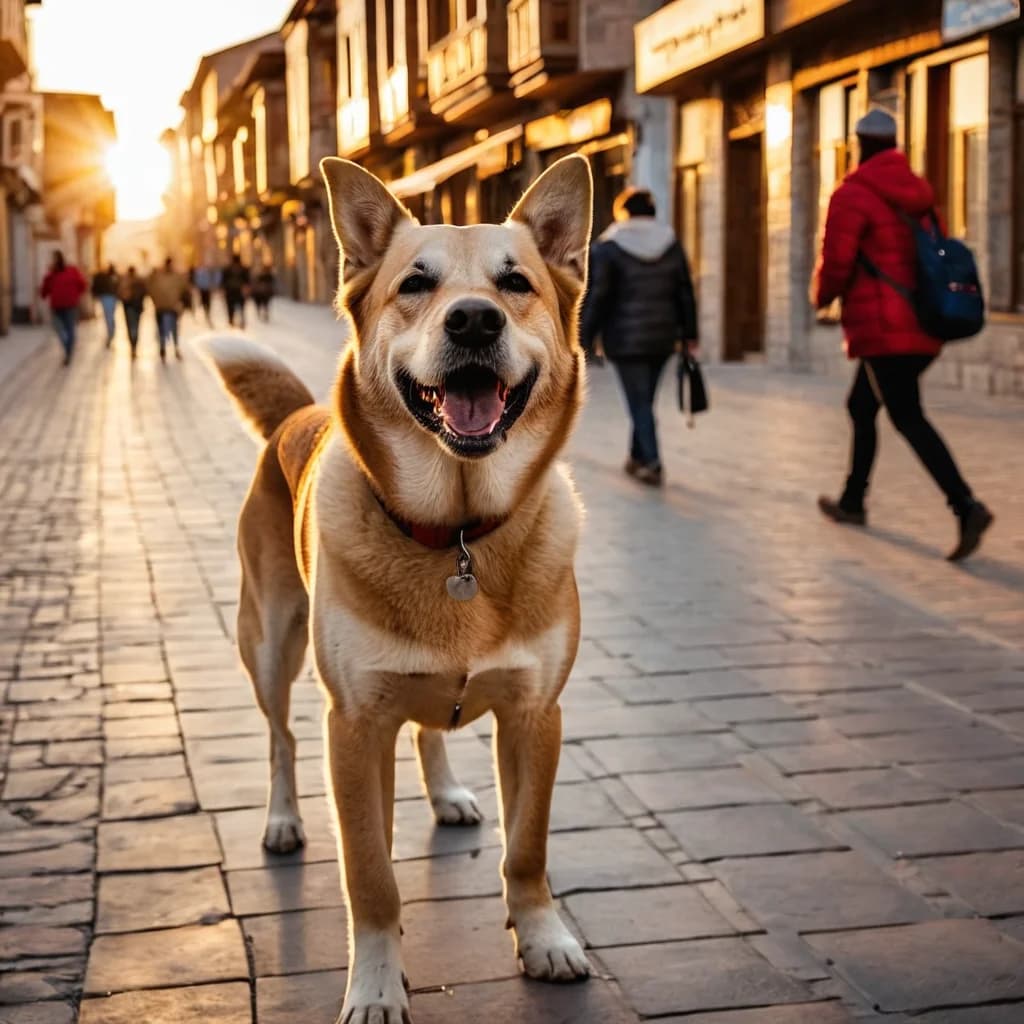

Kayseri is Central Anatolia's industrial hub, set at the foot of Mount Erciyes, with a population of 1.4+ million. Dog ownership in Kayseri comes from two traditions: in the countryside (Develi, Pınarbaşı, Sarız), the shepherd dog tradition (Kangal, Akbaş, Anatolian Shepherd) of working dogs is strong; in the city center (Melikgazi, Kocasinan, Talas), small and medium-size apartment dogs are common. Harsh winters and dry summers shape the discipline of walks and care. Parks with views of Erciyes are dog-friendly. In this article, we look at the climate factors of owning a dog in Kayseri, the differences between neighborhoods, the vet network, costs and ways to adopt.
1. Dog Culture in Kayseri
Kayseri's dog culture has two sides: large shepherd dogs in the countryside (Kangal breeding is strong) and apartment dogs in the city center (Pomeranian, Maltese, Cocker Spaniel, mixed-breed street dogs). Being an industrial city fits well with a disciplined dog-owner lifestyle: regular walks and planned care. Having the Erciyes University Faculty of Veterinary Medicine nearby is an advantage for dog health. Municipal spay/neuter and vaccination campaigns are active.
2. Apartment Living: Across Kayseri
- Small/medium dogs work well: For apartments, Pomeranians, Maltese, Cocker Spaniels and mixed-breed (street) dogs are common.
- A house with a yard for big dogs: The outer neighborhoods of Melikgazi/Kocasinan and the new housing complexes in Talas.
- Walking areas: The area around Kadir Has Stadium, Mimar Sinan Park, Sümer Park and the Erciyes road are popular walking spots.
- Heating is critical: In winter, an apartment with worn-out heating or no natural gas boiler is a risk for a big dog.
- Rental agreement: For a large breed, getting the building management's approval is recommended; older apartment buildings are flexible, while modern complexes may have bylaws.
3. Neighborhood Life: Melikgazi & Kocasinan
Kayseri's two big central districts:
- Melikgazi (Yenidoğan, Hisarcık, Esentepe): A modern center with plenty of vet clinics. For walks, the Hisarcık Erciyes Nature Park (Erciyes Doğa Parkı) is close by.
- Kocasinan (Sahabiye, Şeker, Anbar): The most populous district, with older apartment buildings and new complexes. Mimar Sinan Park is a central spot for walks.
- Erciyes Nature Park: Outside the city, ideal for weekend nature walks with a big dog.
4. Neighborhood Life: Talas, İncesu & Rural Districts
Talas (Talas center, Mevlana, Susam): Near Erciyes University, with lots of students. Modern complexes and roomy apartments. Views of Erciyes.
İncesu, Develi (large districts): Local life and houses with yards. Well suited to big dogs.
Bünyan, Yahyalı, Pınarbaşı, Sarız (rural districts): Breeding shepherd dogs (Kangal, Akbaş) is common. A tradition of working dogs on farms and with sheep flocks.
Hacılar: At the foot of Erciyes, with winter sports and mountain hikes. Ideal for an active dog.
5. The Vet Network
Kayseri has a large number of vet clinics:
Clinic density: clinics cluster around the busiest areas, 24-hour emergency care, the Erciyes University Faculty of Veterinary Medicine (Talas) and rural vets; which one is open on a given night varies.
6. Monthly Cost Items (Kayseri)
- Food: small dog
- Vet + vaccines
- Medication + parasite protection
- Grooming: long-haired breeds, extra care in winter
- Toys + equipment
- Winter gear (dog sweater/coat): a must for small/short-haired breeds, yearly
The price depends on the city, the scope, the timing and the pet's weight and age. There is no binding base rate for these services; discuss the scope with the provider and get an estimate.
7. Climate: The Biggest Factor for Dogs in Kayseri
Kayseri has a harsh continental climate, and winter is the hard part of dog care:
- Winter (November-March): 10°C to -20°C, with heavy snow. A coat or sweater is a must for short-haired breeds Snowballs build up on the paws, so clean them after walks.
- Summer (June-August): 25-32°C, dry. The most comfortable season for dogs. Walks are possible all day, and air conditioning is optional.
- Spring/Fall: The most active season, ideal for nature walks on Erciyes.
- Low humidity (~50%): Dryness and cracking between the paw pads; use paw balm in winter.
- Dry climate means less heartworm: The risk of dirofilaria is lower than in Mersin/Adana; a yearly test is still recommended.
- Spring pollen: The Erciyes area can be hard on dogs with allergies.
8. Ways to Adopt
- The DoldurKabı app: Dog adoption listings in Kayseri.
- Kayseri Metropolitan Municipality (Kayseri Büyükşehir Belediyesi): A temporary care center and active adoption campaigns.
- District municipalities: Municipal shelters in Melikgazi, Kocasinan, Talas and İncesu.
- Associations: Kayseri Hayvan Severler Derneği, Pati Kayseri, Erciyes Hayvansevenler (local animal welfare groups).
- University shelter: The Erciyes University campus has a care unit for street dogs.
- Adopting a street dog: Common. Plan for a vet check, vaccines, spaying/neutering and a yearly heartworm check.
- Rural adoption: Kangal/Akbaş puppies around Develi, Pınarbaşı and Sarız; you need plenty of space and a commitment to care. The tradition of flock and farm working dogs is strong.
9. Tips Specific to Kayseri
- Winter walking gear: A coat or sweater for short-haired breeds, plus paw boots (they keep snowballs from building up).
- De-icing chemicals: Salt and chemicals spread on sidewalks can irritate the paws, so rinse them with fresh water after walks.
- Paw balm: Use it regularly in winter; products like Cuckoo and Musher's Secret help against dryness.
- Nature walks on Erciyes: Ideal for a big dog on weekends, with long walks and socialization.
- Safety near industrial areas: Around the Organized Industrial Zone, watch out for traffic and machinery leaks.
- Adopting a Kangal/Akbaş: Not suitable for a city-center apartment; a house with a yard and 1-2 hours of physical activity a day are a must.
10. 5 Practical Tips
- Get to know the vet in your neighborhood: winter roads in Kayseri can close, so a nearby vet is critical.
- Microchip + DoldurKabı digital record: for quick identification if your dog gets lost.
- A coat check before winter (October): undercoat prep for long-haired breeds.
- A yearly parasite program: deworming, flea and tick treatment starting in May, and a yearly heartworm test.
- Visit the municipal shelter: before adopting, you can see the dog's character and how it handles the continental climate.
Owning a dog in Kayseri, with the discipline of a harsh continental climate, nature walks on Erciyes and a strong vet network (the Erciyes University vet faculty), is a meaningful experience. Winter may be tough, but with the right routine (clothing, paw care and heating), your dog can live for many years with a view of Erciyes. In the DoldurKabı app, you can find dog adoption listings, vet clinics and dog-friendly walking routes in Kayseri.









