
Signs of Illness in Cats: Early Diagnosis Saves Lives
By nature, cats are extremely skilled at hiding signs of illness. In the wild, showing weakness means becoming an easy target for predators, so this instinctive behavior carries on in cats living at home. That is why noticing signs of illness in cats takes careful observation and knowledge. Early diagnosis significantly improves the chances of successful treatment.
Changes in Eating and Drinking Habits
Loss of Appetite
If your cat has not eaten for more than 24 hours, this is a serious warning sign. Especially in obese cats, going without food for a long time can lead to a fatal condition called hepatic lipidosis (fatty liver disease). Loss of appetite can be an early sign of kidney disease, dental problems, infections or digestive system problems.
Drinking Too Much Water
If your cat is drinking noticeably more water than usual (polydipsia), this can be a sign of diabetes, kidney failure or hyperthyroidism. You can assess intake by keeping track of how often you refill the water bowl.
Changes in Litter Box Habits
The litter box gives you very valuable information about your cat's health:
- Frequent urination or straining to urinate: This can be a sign of a urinary tract infection or urinary stones. In male cats, a urinary blockage is an emergency and can be fatal within a few hours.
- Blood in the urine: A sign of a bladder infection, stones or more serious conditions. Go to the vet right away.
- Diarrhea or constipation: Diarrhea or constipation lasting more than a few days can point to digestive system problems.
- Going outside the litter box: This is not always a behavioral problem; it can have medical causes such as pain, urinary tract problems or arthritis (which makes getting in and out of the litter box harder).
Behavior Changes
Hiding
When a normally social cat hides all the time, it shows that the cat is feeling pain or discomfort. Cats retreat to quiet, dark places to hide their pain.
Overgrooming or Undergrooming
Cats spend an average of 2-4 hours a day grooming. A noticeable increase in this time (especially licking one particular area) can be a sign of stress, an allergic reaction or pain. Less grooming, on the other hand, can show that the cat is having trouble moving because of general weakness or joint pain.
Changes in Aggression
When a normally gentle cat suddenly becomes aggressive, it is often a sign of pain. If it reacts especially when a certain area is touched, there may be a problem in that area.
Physical Signs
- Sudden weight loss: Weight loss, especially while appetite is close to normal, can be a sign of diabetes, hyperthyroidism or cancer.
- Bad breath: Can point to dental disease, kidney failure or digestive system problems.
- A decline in coat quality: A dull, greasy or flaky coat can be a sign of nutritional deficiency or chronic disease.
- A visible third eyelid (nictitating membrane): When the inner eyelid is constantly visible, it is a sign of infection or general weakness.
- Shortness of breath or open-mouth breathing: Cats do not normally breathe through their mouths. This is a serious situation that requires emergency vet care.
Situations That Need an Emergency Vet
When you see the signs below, go to the vet right away; do not wait:
- Open-mouth breathing or difficulty breathing
- Inability to urinate (especially in male cats)
- Loss of consciousness or seizures
- Inability to move after a fall from a height
- Severe vomiting (more than 3 times in 24 hours) or vomiting blood
- Serious bleeding or an open wound
- Suspicion of swallowing a toxic substance
Preventive Care: Regular Vet Checkups
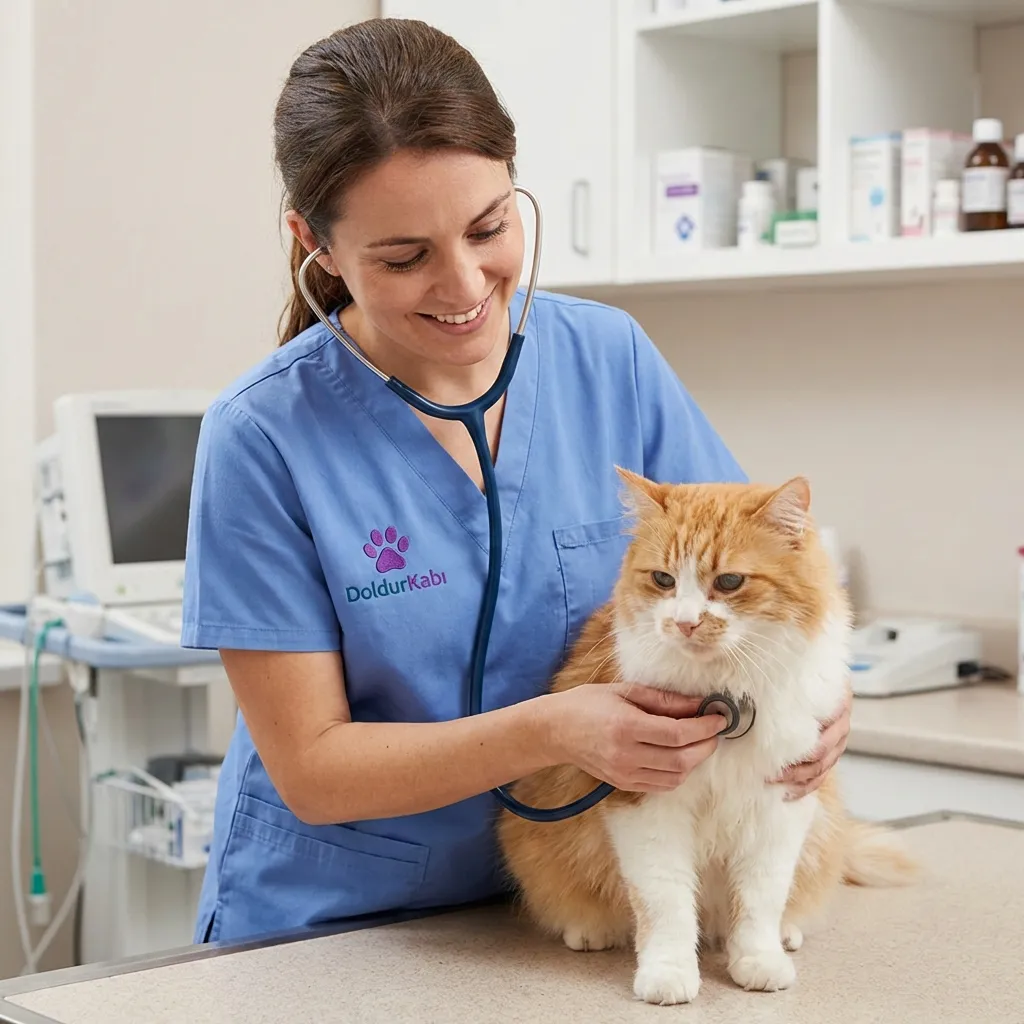
Because cats hide their illnesses, regular vet checkups are a reliable way to catch problems early. Adult cats should have a thorough vet exam at least once a year, and cats over 7 should have one twice a year. Blood tests, urinalysis and any needed imaging can detect problems before signs appear.
Observe your cat every day, keep track of its habits, and do not hesitate to consult your vet when you notice any change. Early intervention both improves your cat's quality of life and lowers treatment costs.