


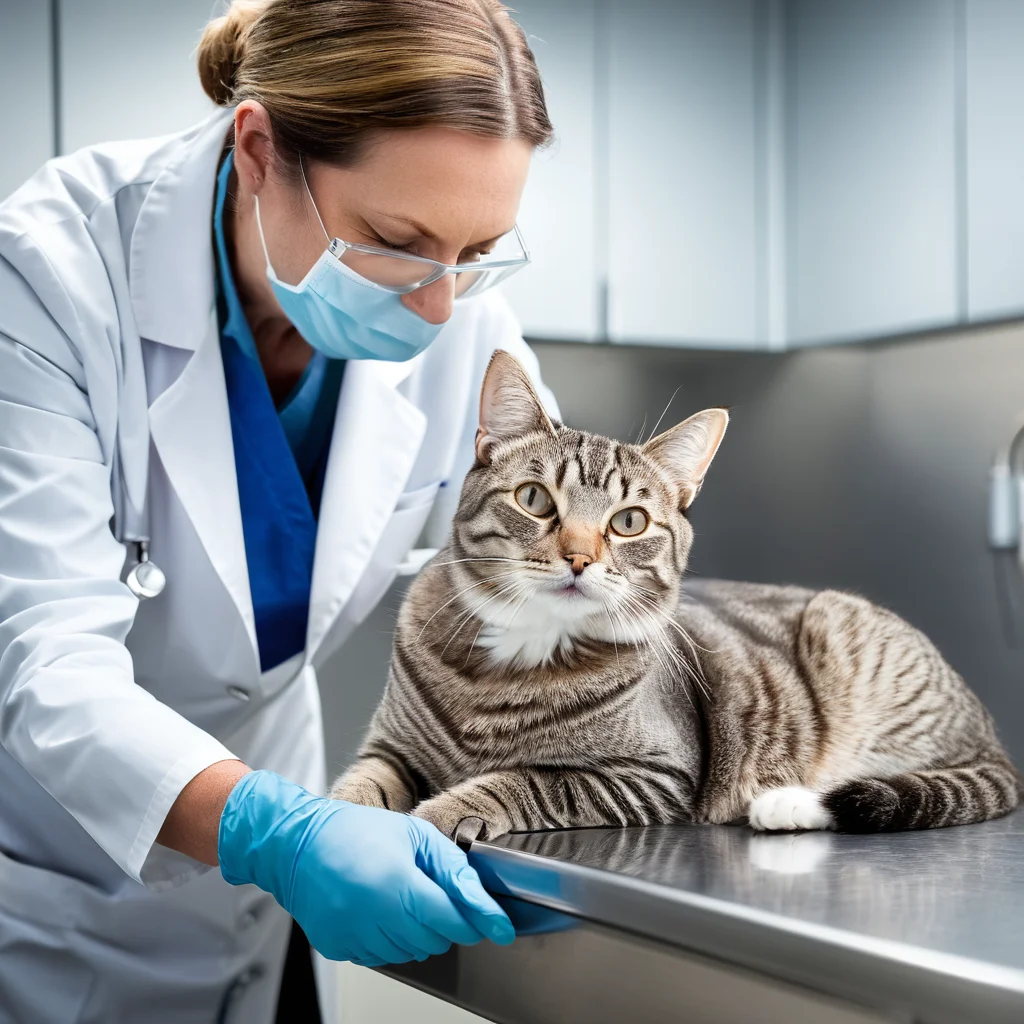

Your senior cat has a huge appetite but is clearly losing weight, seems restless, meows a lot and pees outside the litter box. This combination isn't "just old age"; it's very likely hyperthyroidism. Hyperthyroidism affects about 10% of cats over 10 and is one of the most common diseases in senior cats. The good news: diagnosis is easy, there are treatment options, and with proper management the prognosis is excellent.
This post covers the causes of hyperthyroidism, 8 early signs, diagnosis, treatment options (medication, diet, radioactive iodine, surgery) and a daily monitoring guide. Diagnosis and treatment are entirely the responsibility of a vet.
1. What Is Hyperthyroidism?
The thyroid consists of two small glands, one on each side of the neck; they produce hormones that control metabolism. Hyperthyroidism is when this gland produces too much hormone. The cause is usually a benign thyroid adenoma (it's rarely malignant). Every cat over 10 is at risk; diagnosis is most often made between ages 12 and 14.
Left untreated, hyperthyroidism leads to heart disease, kidney damage and gradual wasting. If it's caught early, your cat's quality of life largely comes back after treatment.
2. 8 Early Signs
- Huge appetite but weight loss. The most typical combination: "eating and eating, but wasting away."
- Restlessness, hyperactivity. A senior cat suddenly becomes energetic and wanders around at night.
- Excessive meowing, especially at night.
- Drinking and peeing a lot.
- Vomiting and diarrhea.
- Declining coat quality. Dull, coarse, unkempt.
- Rapid heartbeat (160+ per minute).
- Behavior changes. Aggression, or the opposite, withdrawal.
Three or more signs = time for a vet appointment.
3. Diagnosis: Which Tests?
- Total T4 (blood test): The main diagnostic test. High T4 = hyperthyroidism.
- Free T4 + TSH: An addition in borderline cases.
- Complete blood count + biochemistry: Liver enzymes are high in most hyperthyroid cats; kidney values are checked because some cats also have hidden kidney disease.
- Blood pressure measurement: Hyperthyroidism raises blood pressure.
- Echocardiography: Has the heart been affected?
- Urinalysis.
Once the diagnosis is clear, the owner and vet decide on a treatment plan together.
4. Treatment Options: 4 Paths
A. Medication (Methimazole)
The most common starting point. A tablet given by mouth once or twice a day (or, in gel form, rubbed on the inside of the ear). It suppresses the hormone.
- Requires ongoing use.
- Blood tests and dose adjustments during the first 3 weeks.
- Side effects: loss of appetite, vomiting or jaundice in 10-15% of cats. With serious side effects, the dose is changed or the medication is switched.
- Blood test follow-ups every 1 to 3 months.
B. Diet (Y/D)
An iodine-restricted veterinary food such as Hill's y/d. Only this food is given, nothing else. Some cats accept it, some refuse it. In multi-cat homes, the other cats can't eat only this food.
C. Radioactive Iodine Therapy (I-131)
A single injection, a one-time treatment, a permanent cure. In Türkiye it's offered at a limited number of centers. The cat stays in an isolation hospital for 3-7 days. The cost is high, but in the long run it's a very good solution for most owners.
D. Surgery (Thyroidectomy)
The thyroid gland is removed surgically. There's anesthesia risk and a risk of parathyroid damage. Today it's chosen less often as diet and I-131 have become more widespread.
5. Which Treatment to Choose? Deciding Factors
- The cat's age and overall health: For a very old or chronically ill cat, I-131 isolation can be difficult.
- Concurrent kidney disease: If there's CKD, the treatment plan needs care, because in some cats hyperthyroidism masks CKD that then comes to light.
- The owner's long-term approach: The stress of daily medication versus a one-time treatment.
- Budget: Methimazole is a monthly cost over the long term; I-131 is a high one-time cost; diet is in between.
- The cat's tolerance for taking medication: For a cat that fights pills, diet or I-131.
This choice is an individual one made between owner and vet.
6. Daily Life with a Hyperthyroid Cat
- Fixed medication times (if using methimazole): same time morning and evening.
- How to give the medication: Pop it in the mouth and help them swallow; the gel form rubbed on the ear is easier. Your vet will show you at the first visit.
- Water always available.
- Weight tracking: Weekly. Weight should come back after treatment.
- Blood test checks: Close monitoring for the first 3 months, then once every 6 months.
- Blood pressure measurement: Once or twice a year.
7. Concurrent Diseases
Additional problems often seen in hyperthyroid cats:
- Kidney disease (CKD): Kidney values may come to light once hyperthyroidism is treated; some cats have hidden CKD.
- Hypertension: High blood pressure can cause vision problems or brain issues.
- Cardiomyopathy: A heart echocardiogram before treatment is important.
- Diabetes: The eating-more-while-losing-weight combination can be confused with diabetes; it's rare for the two to occur together.
8. Frequently Asked Questions
How long will I use methimazole?
Ongoing. The medication doesn't remove the cause of hyperthyroidism, it only controls it. For a permanent solution, I-131 or surgery is the choice.
Can our other cat eat the Y/D diet too?
Y/D is iodine-restricted; for a healthy cat it causes iodine deficiency over the long term. If there's more than one cat in the home, Y/D isn't practical, and managing feeding is hard.
Will my cat be normal after I-131?
Usually very good. A single dose, a permanent cure. Some cats develop mild hypothyroidism and need a small dose of hormone supplement. Overall, it's the treatment with the most successful results.
Can my senior cat handle anesthesia?
Surgery requires anesthesia; for a senior cat with heart or kidney problems the risk is high. That's why I-131 (no anesthesia) or medication is usually preferred.
How long will my cat live without treatment?
Untreated, hyperthyroidism leads to death within 6-24 months through severe metabolic disorder, heart failure and kidney damage. Early diagnosis and treatment bring life expectancy close to normal.
Can hyperthyroidism be prevented?
Generally no: it comes down to aging and genetics. Low-iodine water (in terms of the content of older city water supplies) and low-quality canned foods (BPA content) are debated risk factors.
Isn't T4 alone enough at the annual checkup?
A full annual checkup (CBC + biochemistry + urine + blood pressure) catches other senior cat diseases too, beyond hyperthyroidism screening. A thorough annual checkup is a must for cats 7 and older.
Final Word
Hyperthyroidism isn't a senior cat's "bad fate"; it's a disease that's easy to catch and has plenty of treatment options. An early exam, the right treatment choice and regular follow-up are the key to enjoying the later years with your cat.
Use DoldurKabı Pet Health Tracking for medication times, weight tracking and blood test dates; in senior cat care, routine is everything.
This guide is for information only; diagnosis and treatment are always within your vet's authority.









