


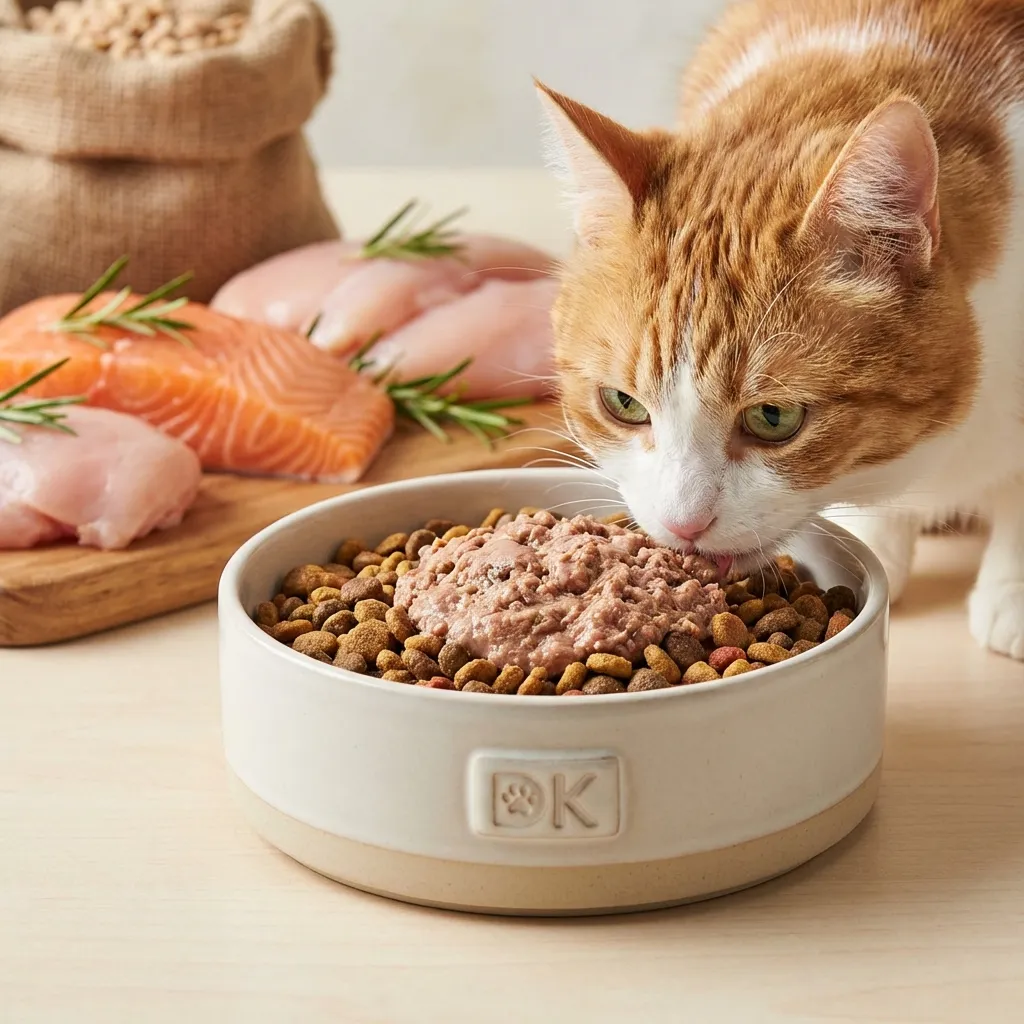

Choosing Cat Food: The Basics of Healthy Nutrition
The right nutrition is critical for your cat to live a long, healthy life. But choosing among the hundreds of food brands and varieties on the market can be confusing. In this guide, you will find what to look for when choosing the right food for your cat and the basic facts you need to know.
Cats' Nutritional Needs
Cats are obligate carnivores, meaning they must eat meat. This means they absolutely need animal protein to live healthily. Unlike dogs, cats cannot make some essential nutrients from plant sources.
- Taurine: This amino acid, essential for heart and eye health, is found only in animal sources. Taurine deficiency can lead to blindness and heart failure.
- Arachidonic acid: Found only in animal fats, this fatty acid is an important nutrient that cats cannot make from plant sources.
- High protein needs: Cats need a much higher proportion of protein than dogs. Adult cat food should contain at least 26% protein, but 30-40% is considered ideal.
Wet Food or Dry Food?
Advantages of Wet Food
Wet food is closer to the way cats eat in nature. It contains 70-80% water, which supports kidney health, especially in cats that drink little. Cats usually prefer its taste, and it is an ideal option for feeding cats with a poor appetite.
Advantages of Dry Food
Dry food is practical, keeps for a long time and may partly help dental health. It is more affordable, and portion control is easier.
The Recommended Approach
Many vets recommend mixed feeding. Giving part of the daily meals as wet food and part as dry food lets you benefit from the advantages of both. What matters is keeping the total calorie balance.
How to Read a Pet Food Label
The most important step in choosing food is reading the ingredient list correctly:
- Animal protein should come first: A specific animal source like "chicken," "salmon" or "turkey" should be at the top of the list. Avoid vague terms like "animal by-products" or "meat and animal derivatives."
- Watch the grain content: If corn, wheat or soy is one of the first three ingredients, the food may be low quality. These grains are used as cheap fillers.
- Avoid artificial additives: Choose foods without artificial colors, flavors and preservatives (BHA, BHT, ethoxyquin).
- Ash content: It should be below 8%. High ash content can lead to urinary tract problems.
Choosing Food by Age
Kittens (0-12 months)
During their rapid growth phase, they need high calories and protein. Special kitten formulas contain the nutrients needed for development in the right amounts. Four meals a day up to 4 months, 3 meals between 4 and 6 months, and 2 meals after 6 months is ideal.
Adult Cats (1-7 years)
Balanced nutrition and weight control come first. Calorie intake should be adjusted to activity level. Neutered cats need fewer calories.
Senior Cats (7+ years)
The digestive system slows down, and the risks of joint problems and chronic diseases go up. Senior cat formulas contain more easily digestible protein, glucosamine for joint health and controlled phosphorus levels for kidney health.
Special Cases
- Neutered cats: Because their metabolism slows, choose low-calorie, high-fiber foods.
- Cats with urinary tract problems: Use special formulas with an adjusted pH balance.
- Cats with allergies: Try foods with a single protein source or hypoallergenic foods.
Don't change foods suddenly. Make the switch gradually by mixing the old and new food over 7-10 days. This prevents digestive problems and makes it easier for your cat to get used to the new food.









