


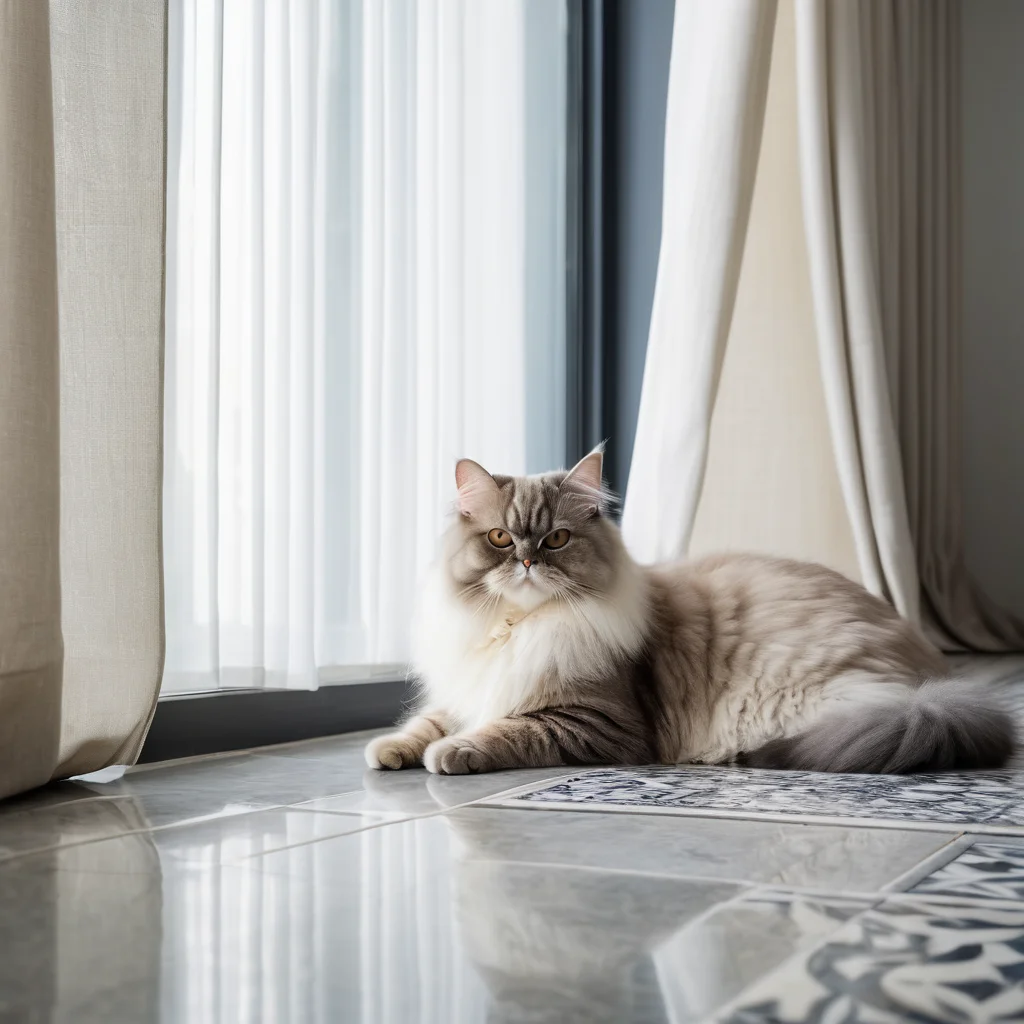

Cats don't handle heat as well as dogs. Dogs cool down by panting, while cats rely on limited panting and licking (evaporation). In the summer heat, a cat stays indoors and looks for a cool spot. Air conditioning, fans, shady areas, a cool surface worth paying for, adjusting the dry-to-wet food ratio and brushing all help. In this article, we take a detailed look at summer care for cats.
1. How Cats Cool Down
- Sweating through the paw pads (limited).
- Licking the body for evaporative cooling.
- Limited panting (not as intense as in dogs).
- Seeking shade and cool spots.
- Reducing activity.
- Shedding more.
- Trouble starts above 26-28°C.
2. Air Conditioning vs. Fan
- AC at 22-26°C: The ideal temperature for cats.
- No AC, use a fan: Airflow plus a damp towel.
- Don't point the AC directly at your pet.
- Fan noise tolerance (some cats are scared of it).
- Windows open at night, closed during the day.
- Closed curtains keep the heat out.
3. Creating a Cool Spot
- Marble or ceramic floors (a cat favorite).
- The bathroom as a pet retreat.
- An open window with a secure screen.
- Nooks under the bed or furniture.
- The cool surface on top of the toilet lid.
- Cats know their own cool spots, so watch where they go.
4. Getting Them to Drink More
- An automatic water fountain is a cat favorite (running water is appealing).
- Several water bowls, one in every room.
- Add ice cubes.
- Increase the share of wet food (from 30% to 50-60%).
- Water placed away from food (cats prefer it).
- Glass or ceramic water bowls (metal gives off a smell).
- Change the water every 2-3 hours.
5. The Advantage of Wet Food
- Wet food contains 75-80% water.
- Dry food contains 8-10%.
- Wet food helps prevent dehydration.
- Increase the share in the summer months.
- Remove wet food within 30 minutes (it spoils fast in summer).
- Several small meals.
- Mixed feeding (wet and dry) is ideal.
6. Brushing and Coat Care
- Shedding peaks in summer.
- Daily brushing reduces the undercoat.
- Persians and Maine Coons twice a day.
- Short-haired cats 2-3 times a week.
- Shaving too much is a NO (the coat is a natural coolant).
- Only spot-shave badly matted fur.
- If a bath is needed, use a pet shampoo.
7. Signs of Dehydration
- Sticky, pale gums.
- Slow skin turgor.
- Lethargy and loss of appetite.
- Small amounts of dark urine.
- Sunken eyes.
- Sleeping too much.
- = VET EMERGENCY.
8. Managing Summer Activity
- Playtime from 7 to 9 a.m.
- Play again from 8 to 10 p.m.
- Long naps during the day (natural).
- Short play sessions (10-15 minutes × 3).
- Feather hunting games (mouse or bird simulation).
- Watching birds and the street from the window.
- A catio (cat balcony) for safe fresh air.
9. Summer Care for Kittens
- Kittens regulate heat poorly (under 2 months).
- A bed in the shade and in a cool spot.
- The mother cat keeps an eye on the kittens.
- More water (mother's milk helps prevent dehydration).
- A steady room temperature of 22-25°C.
- A body temperature of 38.5-39.5°C is normal.
- A safe area for your pet with no hot spots.
10. Emergency: Heatstroke
- Body temperature of 40.5°C or higher is an EMERGENCY.
- Rapid panting and red saliva.
- Fainting and weakness.
- A cool room and a damp towel (NO ice).
- Wet the paws.
- Airflow from the AC or a fan.
- Take your cat to the vet (possible organ damage).
- Persians and Himalayans are at the highest risk.
Summer care for cats follows the formula of AC, more water, a cool spot, wet food and brushing. Cats put up with heat quietly, so the owner needs to watch for signs. Brachycephalic cats (Persians) need extra attention. Kittens and seniors are especially sensitive. In the summer months, pet owners should leave the AC on at home. The DoldurKabı pet app has a map of emergency vets for the summer.









